


























Studies of methane emissions reveal rising global levels, urging rapid deployment of cost-effective solutions, as monitoring systems expand and data-driven transparency reshapes the global abatement landscape
The world is staring down a methane crisis that is accelerating more quickly than anticipated, even as governments and industries embrace new commitments and technologies designed to slow the planet’s near-term warming.
Methane’s influence on climate change, far more potent than carbon dioxide over short timescales, continues to sharpen, positioning this single gas as both a threat and an opportunity during what may be the most consequential decade for global climate action.
Rising emissions are colliding with expanding political will, sophisticated satellite detection, and a proliferation of new policy frameworks.
Yet the core warning of the Global Methane Status Report 2025 is unmistakable: Progress is real but nowhere near fast enough, and the window to reverse the current emissions trajectory is narrowing with disquieting speed.
Despite 'one of the most powerful and cost-effective strategies to slow near-term warming' being readily available in the form of methane mitigation, global anthropogenic emissions have climbed to approximately 352 million tonnes per year and are on track to reach 369 million tonnes by 2030 unless decisive interventions alter this path.
GROWING CHALLENGE DESPITE RISING MOMENTUM
For all the urgency, there has been an undeniable shift in global attention. Since the launch of the Global Methane Pledge (GMP) in 2021, an increasing number of countries have begun weaving methane-specific actions into their national climate plans.
As of mid-2025, 127 countries have included methane-focused policies in their Nationally Determined Contributions (NDCs), marking a substantial increase compared with pre-2020 commitments.
Still, the planned measures remain insufficient. If fully implemented, current national commitments would reduce emissions by only 8 per cent below 2020 levels by 2030, far short of the 30 per cent goal set by the GMP.
The next five years will be decisive, according to the report, because full application of existing technical solutions could deliver a 32 per cent reduction in global methane emissions compared with 2020 levels by 2030.
Achieving this level of ambition would avoid significant near-term warming–up to 0.2 deg C by 2050–as well as prevent thousands of premature deaths and major agricultural losses. However, beyond 2030, technical measures alone will not suffice.
Emissions, if governed only by current legislation, would continue rising through mid-century, reaching 427 million tonnes per year by 2050.
Scenarios aligned with the 1.5 deg C and 2 deg C pathways require emissions to fall by more than half by that time, necessitating profound shifts in energy systems, food systems and consumer behaviours, alongside technical abatement.
Each of the three major emitting sectors—energy, agriculture and waste–presents distinct challenges, despite all offering substantial mitigation opportunities.
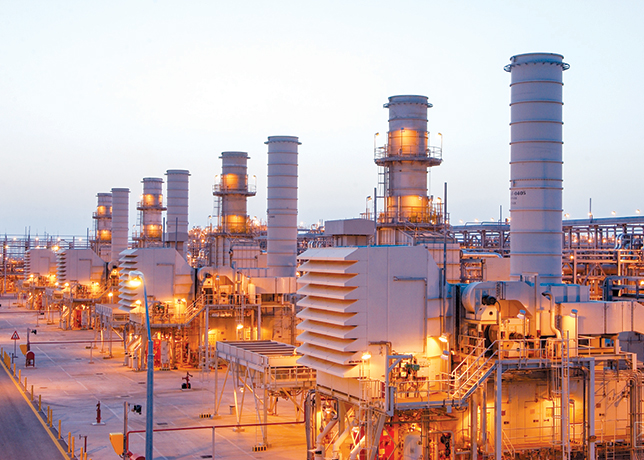
The energy sector holds the largest pool of low-cost and even cost-negative measures, ranging from reduced venting to more efficient leak detection and repair.
Under current policies, emissions from energy are expected to rise again by 2050, yet full deployment of maximum technically feasible reductions could cut emissions by 94 million tonnes per year by 2030.
Coal methane mitigation is particularly underutilised, despite a long list of available technologies, such as regenerative thermal oxidisers and pre-mine degasification, capable of delivering rapid reductions.
Recent moves by major producers to regulate coal methane are encouraging, but still represent early steps in a sector that has trailed significantly behind oil and gas in regulatory innovation.
The waste sector, though smaller in its emissions share, presents a rapidly growing problem.
Agriculture, the largest methane-emitting sector, presents the most complex landscape. Emissions are expected to rise by 8 per cent by 2030 and 17 per cent by 2050 as global populations expand and livestock herds increase, particularly in Africa and Latin America.
While technical solutions could reduce agricultural methane by 24 million tonnes annually by 2030, only a minority of countries have implemented policies directly targeting the main sources of emissions.
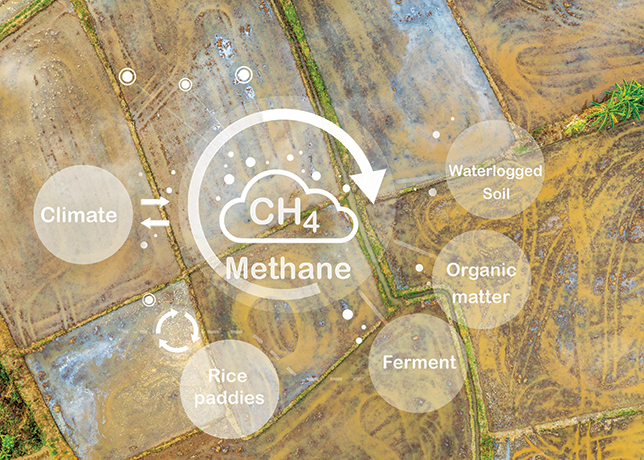
Enteric fermentation—the single largest contributor—remains largely under-addressed. Policies that target manure management have expanded, especially in Europe, North America and the Asia-Pacific region, but there are persistent gaps in rice cultivation and biomass burning regulations.
The report calls for more holistic, long-term strategies that support equitable transformations in food systems.
A NARROWING WINDOW FOR TRANSFORMATIVE ACTION
Each sector’s potential underscores a broader theme: The world possesses the tools required to curb methane sharply this decade, yet the pace and scale of action still fall short of what climate limits demand. Investments remain inadequate.
Although methane finance has increased to an annual average of $13.7 billion in 2021-2022, this figure is well below the $127 billion needed each year by 2030 to meet the GMP’s ambitions.
Importantly, many mitigation measures are already cost-effective, and some even offer immediate operational savings.
But financial bottlenecks, especially in developing economies, continue to impede deployment.
The report emphasises that targeted support for technical assistance, capacity building and institutional strengthening is essential to unlock both public and private capital.
Development finance institutions, which collectively invest trillions of dollars annually, currently direct only a small fraction towards methane mitigation.
Aligning these financial flows with climate and development goals presents a major opportunity to close the investment gap.
Private-sector actors, too, are emerging as significant players, particularly in the energy sector, but require more supportive policy environments and clearer investment signals.
DATA AS BACKBONE OF ACCOUNTABILITY
If the global methane landscape is changing, it is in large part due to the transformation in data transparency driven by UNEP’s International Methane Emissions Observatory (IMEO).
The An Eye on Methane report frames this moment clearly: data is now driving action, yet the pace of implementation must accelerate to match the urgency of the climate challenge.
Methane, described as 'over 80 times more powerful a climate forcer than carbon dioxide', demands rapid intervention precisely because bold action can bend the warming curve within years rather than decades, as Martin Krause, Director, Climate Change Division, notes.
IMEO’s work has fundamentally reshaped methane governance by combining satellite observations, rigorous industry reporting and scientific field studies.
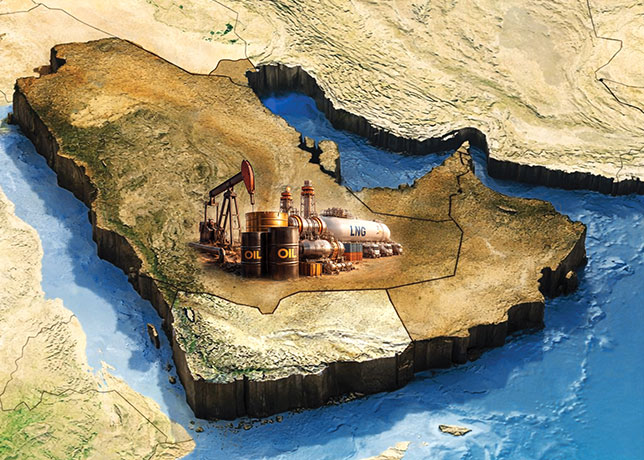
Its Oil and Gas Methane Partnership 2.0 (OGMP 2.0) has doubled its membership in five years and now covers 42 per cent of global oil and gas production.
Dozens of companies have achieved the partnership’s Gold Standard for high-quality, measurement-based reporting, while many more are progressing toward this benchmark.
Through the Methane Alert and Response System (MARS), IMEO has issued more than 3,500 alerts to 33 countries, offering rapid identification of large methane releases using satellite and artificial intelligence systems.
Although responses have increased twelvefold year over year, nearly 90 per cent of alerts still lack follow-up, revealing a concerning gap between detection and action.
The observatory has also launched 46 methane science studies across six continents, filling crucial knowledge gaps in fossil fuels, coal, agriculture and waste.
New baseline studies are advancing in Nigeria and Colombia, while agricultural methane estimates are being refined for rice and livestock.
Research at major waste sites, including a landfill in Spain, highlights the sector’s underestimated emissions footprint.
IMEO’s Steel Methane Programme adds another dimension, targeting emissions from metallurgical coal, responsible for around 12 million tonnes of methane annually and significantly inflating steel’s climate footprint.
By building a transparency database with satellite and empirical data, the programme aims to illuminate one of the least regulated segments of the global methane landscape.
The Global Methane Status Report 2025 echoes IMEO’s findings, stressing that transparent, measurement-based monitoring is essential to track progress, strengthen regulations and ensure that operational changes translate into actual emission reductions.
High-quality data enables policymakers to reconcile discrepancies between regional and global inventories and reduce reliance on generic emission factors.
Robust monitoring also builds trust, allowing governments, industries and financial institutions to invest with confidence.
Yet data alone will not transform the global methane picture; it must be paired with the technical capability, regulatory authority and political will to act on the insights it provides.
BY Abdulaziz Khattak