








Vast solar and wind resources, coupled with flagship national initiatives, are driving diversification and positioning the region as an emerging powerhouse in global sustainability, Rasso Bartenschlager tells OGN The Gulf region is witnessing a pivotal transformation in its energy sector as countries accelerate their transition toward cleaner and more efficient power systems.
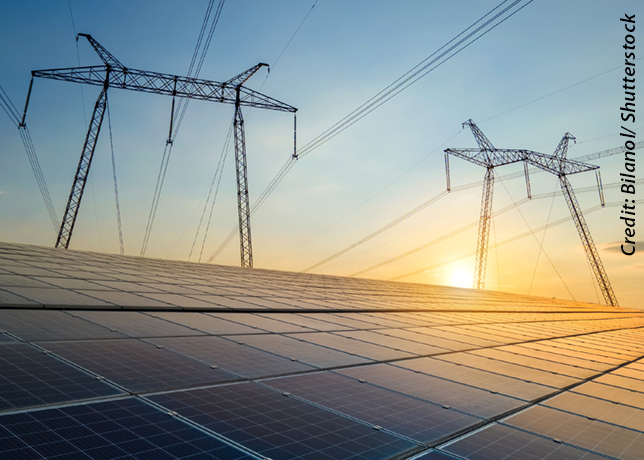
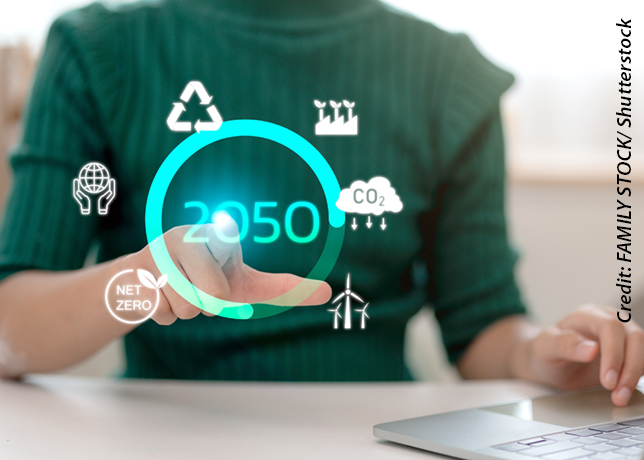
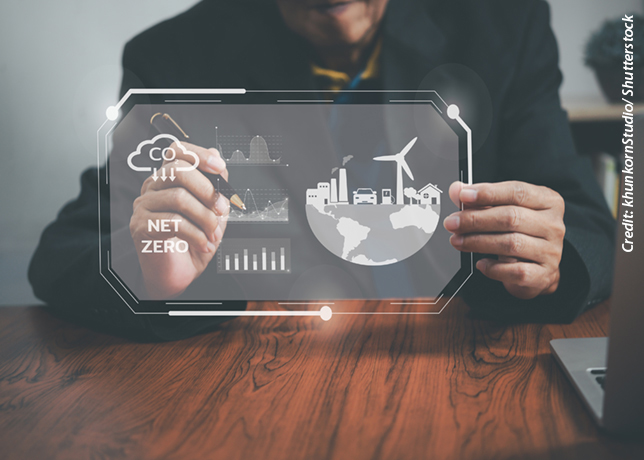
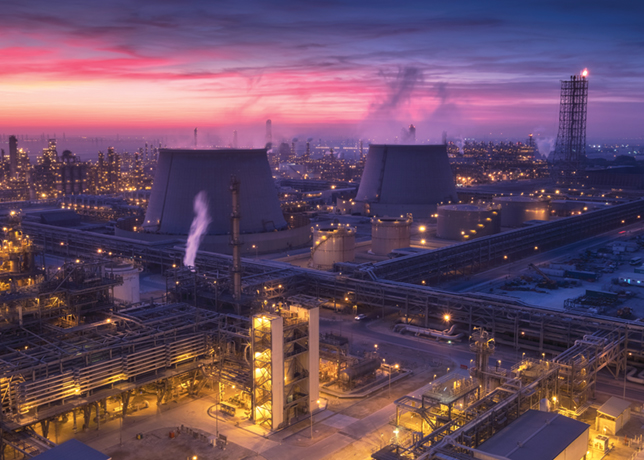
Vast solar and wind resources, coupled with flagship initiatives like the UAE’s Net-Zero by 2050 and Saudi Arabia’s Vision 2030, are driving diversification away from fossil fuels and positioning the region as an emerging powerhouse in global sustainability.
Despite challenges around harsh environmental conditions, legacy infrastructure, and skills gaps, regional providers are responding decisively through rugged engineering, global technology partnerships, and intensive local training programmes.
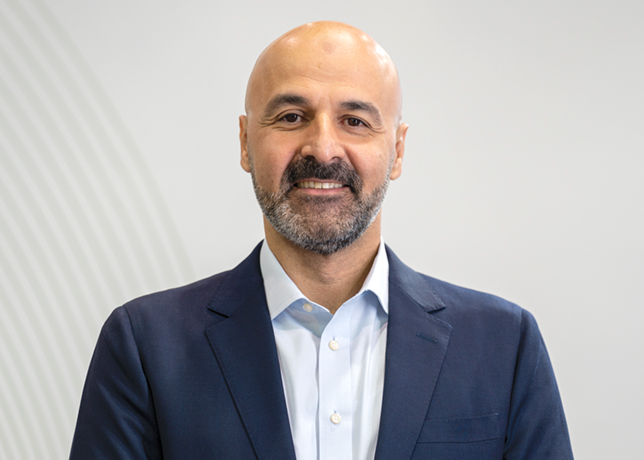
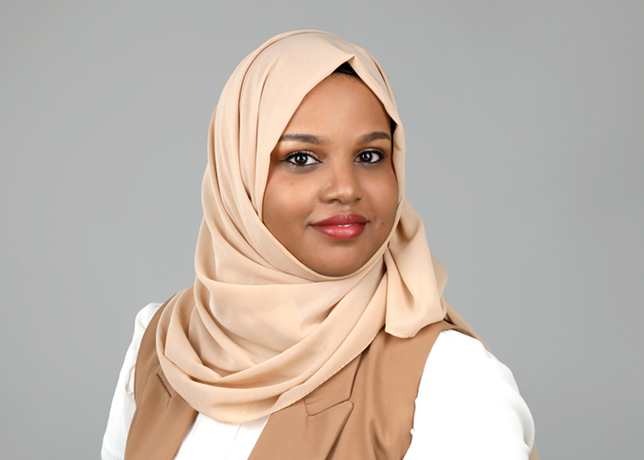
In an interview with OGN energy magazine, Rasso Bartenschlager, General Manager of Al Masaood Power Division, discusses the region’s evolving energy landscape, the role of technology in system optimisation, and how the company is contributing to a more sustainable energy future.
Below are excerpts from the interview:
How quickly is the Gulf region closing the gap with energy leaders in terms of transitioning to sustainable energy sources?
The Gulf region has made significant strides in transitioning to sustainable energy sources, and it is accelerating its progress.
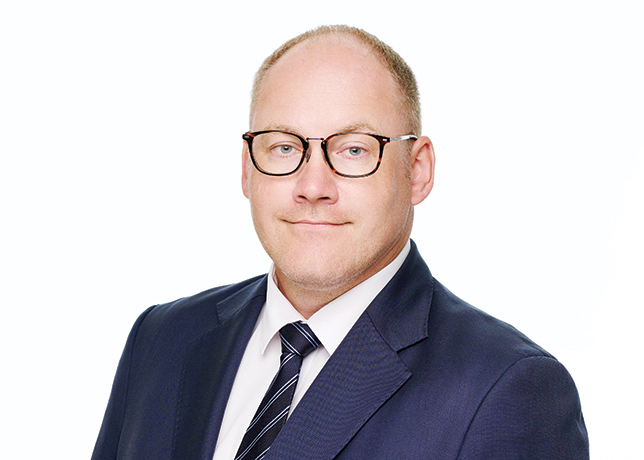 |
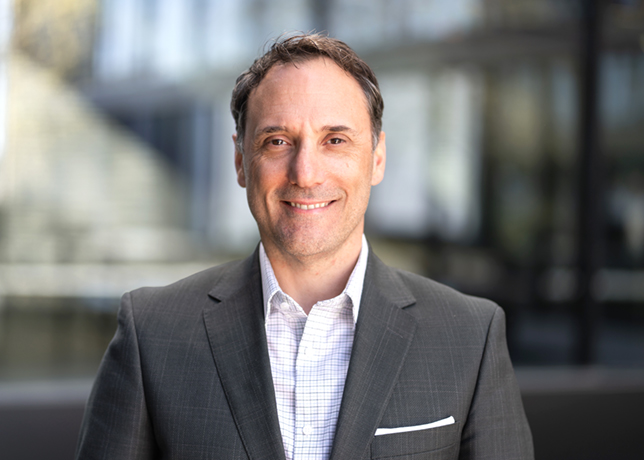
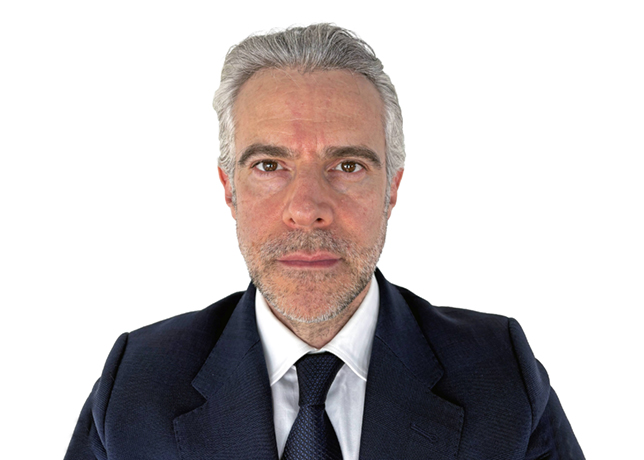
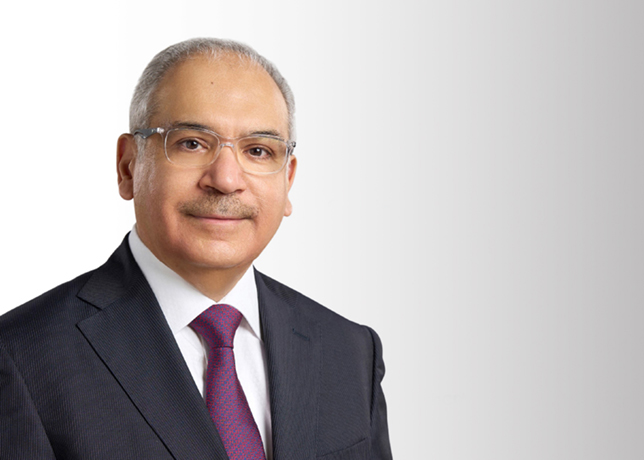
Rasso Bartenschlager |
While other countries have been leaders in the renewable energy space for many years, the Gulf is now rapidly closing the gap, primarily due to strong governmental policies and investments in cutting-edge technologies.
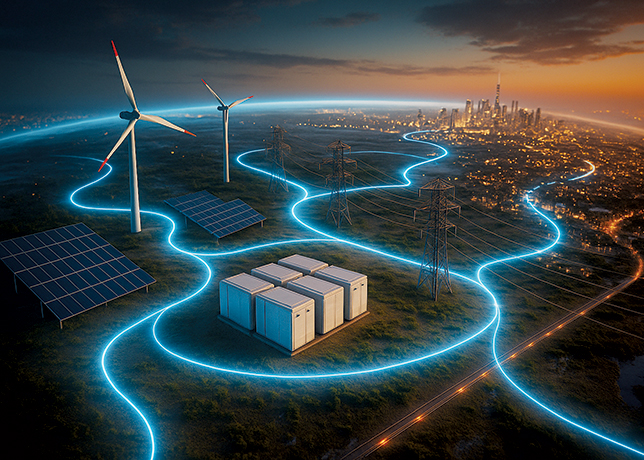
The region’s vast solar and wind potential provides a solid foundation for this transition, and key government initiatives are driving this transformation.
Such strategies have encouraged substantial investments in renewable energy, hybrid systems, and energy storage, positioning the Gulf as a future energy leader in the global transition to sustainability.
How do the UAE’s Net-Zero by 2050 and Saudi Arabia’s Vision 2030 strategies influence the region’s energy strategies and sustainability efforts?
Both the UAE’s Net-Zero by 2050 and Saudi Arabia’s Vision 2030 have been pivotal in reshaping the energy landscape of the region.
Ambitious initiatives of this nature provide a clear roadmap for a sustainable future, focusing on diversifying energy sources, reducing dependence on fossil fuels, and embracing clean, renewable energy.
For companies like us, these strategies align perfectly with our mission to provide innovative, sustainable energy solutions.
They drive our investments in hybrid power systems, energy storage, and the integration of renewable energy across critical sectors. key national visions have also encouraged greater public-private collaboration, which is essential to advancing the region’s energy transition.
What role do hybrid power systems play in the Gulf’s energy transition, and how do they help integrate renewable energy sources into the grid?
Hybrid power systems play a crucial role in the Gulf’s energy transition by providing a reliable and flexible solution to integrate renewable energy into the grid.
These systems combine renewable sources like solar and wind with traditional backup power, ensuring a continuous, stable energy supply even when renewable generation is low.
Hybrid systems help balance the intermittency of solar and wind energy, making them more predictable and manageable.
They also reduce the region’s reliance on fossil fuels, lower carbon emissions, and increase energy efficiency.
We are working on hybrid solutions that are scalable and adaptable to meet the growing energy demands of the Gulf.
Can you share examples of how AI is being used to optimise energy efficiency and power distribution in the Gulf?
AI is rapidly reshaping the Gulf’s power landscape by improving efficiency, reliability, and sustainability.
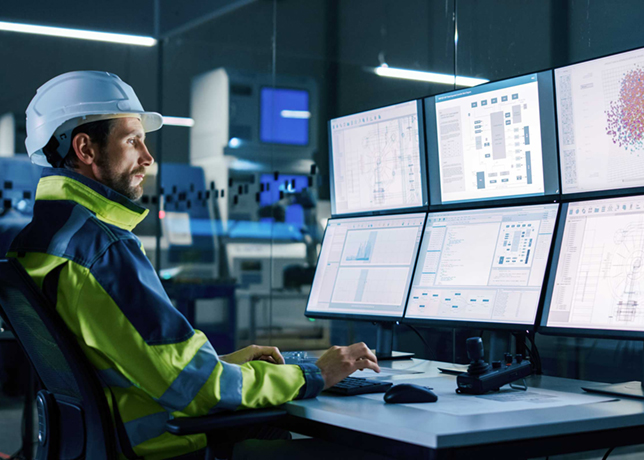
At Al Masaood Power, we apply AI across several areas, from predictive maintenance and energy forecasting to hybrid power management.
Al Masaood Power Division’s hybrid and microgrid systems use AI to balance energy loads in real time, ensuring optimal use of renewable and stored energy.
AI algorithms predict consumption peaks, adjust generator output, and reduce idle running time, significantly cutting fuel use and emissions.
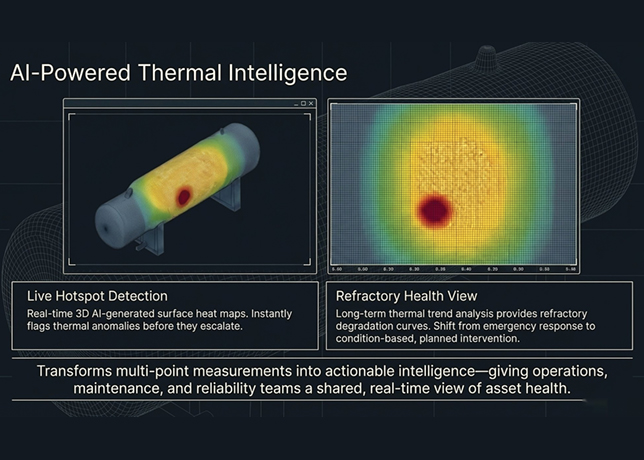
In addition, AI-enabled analytics support proactive maintenance by identifying performance anomalies before they escalate, reducing downtime and operational costs.
Through these applications, Al Masaood Power is driving the region’s shift toward data-led, low-emission energy systems that combine resilience with environmental responsibility.
What challenges does the region face in adopting hybrid and AI-driven power systems, and how is Al Masaood Power addressing them?
The Gulf’s energy transition is advancing quickly, yet it faces real challenges, particularly infrastructure readiness, climatic stress, and digital integration.
High ambient temperatures, humidity, and dust accelerate component wear and complicate renewable energy performance.
Furthermore, integrating AI-driven hybrid systems with legacy grids requires both digital infrastructure and skilled technical capacity.
Al Masaood Power is addressing these challenges through engineering adaptation, technology partnerships, and capability building.
We collaborate with leading global manufacturers to design hybrid and AI-integrated systems resilient to Gulf conditions, supported by smart monitoring and data analytics.
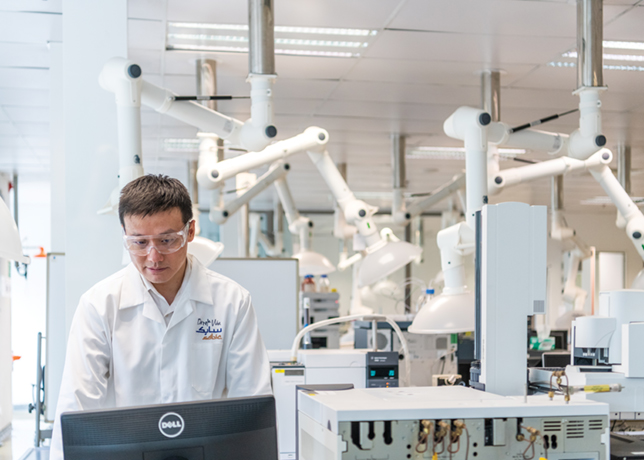
Our Training Centre in ICAD II develops the local workforce’s technical skills in digital energy systems, ensuring sustainable deployment and long-term reliability.
In short, we combine AI innovation with practical regional expertise to ensure that smart, hybrid power solutions perform dependably in one of the world’s most demanding environments.
How is renewable energy being integrated into data centres in the Gulf, and what role does Al Masaood Power play in this transformation?
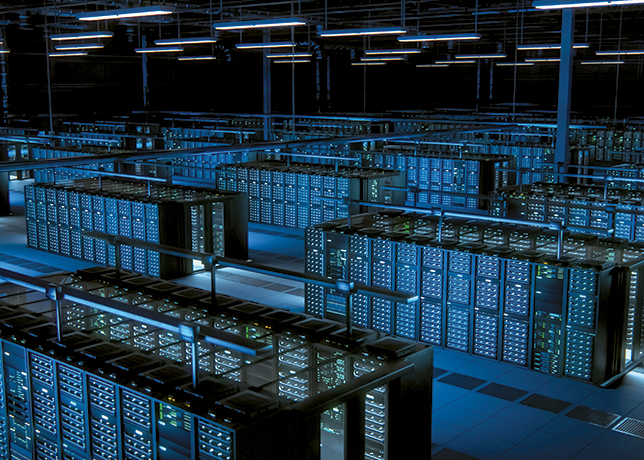
As data centres in the Gulf expand rapidly to support the region’s growing digital economy, renewable energy is increasingly being integrated into their operations to reduce their carbon footprint.
Data centres consume vast amounts of energy, particularly for cooling, and the adoption of renewable energy solutions like solar, wind, and hybrid systems is becoming essential.
Al Masaood Power is actively involved in supplying sustainable energy solutions to major data centres in the region, helping them integrate solar energy and energy storage systems to support continuous operations while reducing reliance on the grid.
Our expertise in hybrid power systems and energy storage allows data centres to utilise renewable energy efficiently, even during peak demand periods.
Additionally, we are exploring innovative cooling solutions, such as immersion cooling, that significantly reduce energy consumption while increasing computational power density.
This helps data centres align with the Gulf’s sustainability goals while supporting the region’s digital growth.
How has your background and leadership experience shaped your approach to driving sustainable energy solutions, especially as Al Masaood Power aligns with national energy goals?
My background as a mechanic and service engineer has given me a deep technical foundation that guides how I lead, by combining practical insight with strategic innovation.
At Al Masaood Power, we translate this expertise into real-world reliability for mission-critical industries where failure is not an option.
We’ve expanded our capabilities into hybrid and AI-driven systems, supporting national frameworks, such as the UAE’s Net-Zero 2050 and Saudi Vision 2030.
Beyond technology, I’m focused on developing the next generation of Emirati engineers through our Mechatronics Programme, ensuring knowledge transfer and long-term capability building.
By connecting technical excellence, AI integration, and local talent empowerment, we’re laying the foundation for a resilient and sustainable energy future in the Gulf.