



































The US Department of Energy (DOE) recently cancelled over $7.5 billion in clean-energy awards, terminating 223 projects, and initiated a review of nearly $100 billion in loans and conditional commitments from the previous administration.
This pause affects projects in building operations, clean power, and emissions-cutting technologies, delaying progress on sustainability initiatives.
In contrast, Europe is advancing, with over €250 billion ($288.6 billion) available under the EU’s NextGenerationEU framework, and member states already receiving €66 billion in benefits from clean transport, building renovations, and renewable energy projects.
Experts, including Donatas Karčiauskas, Exergio CEO, warn that US cuts threaten corporate sustainability plans, particularly in the building sector, which accounts for roughly 32 per cent of global energy use and 34 per cent of energy-related carbon emissions.
In the US, commercial buildings emit about 830 million tonnes of carbon annually—equivalent to Germany’s emissions.
Without federal funding, companies risk relying on outdated systems.
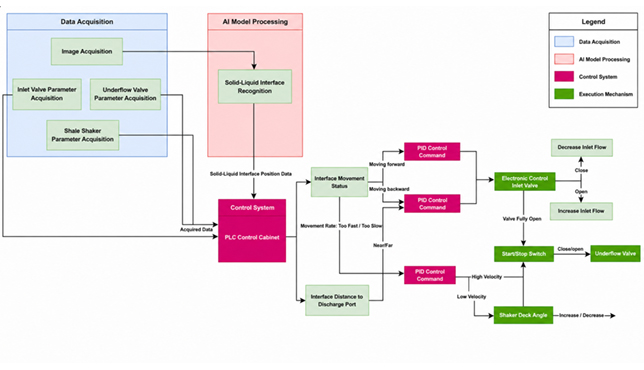
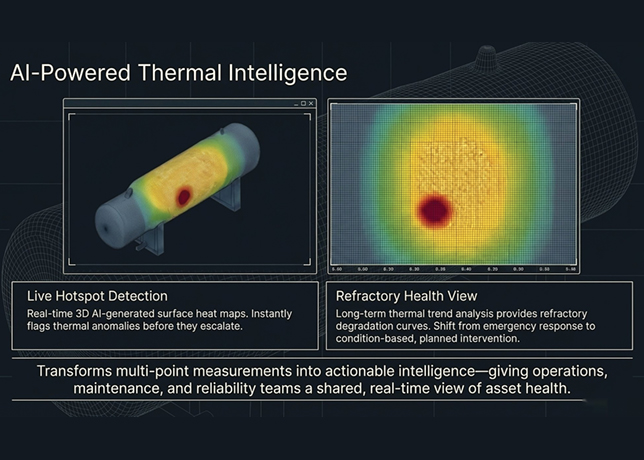
Karčiauskas highlights operational fixes, such as AI-based energy optimisation, as cost-effective alternatives.
These systems can analyse data, reduce energy waste, and deliver up to 30 per cent savings—sometimes outperforming deep renovations—without requiring new hardware.
Despite federal uncertainty, cities like New York, Washington, DC, and California continue enforcing emissions limits and reporting standards, pushing businesses to act independently.
Karčiauskas emphasises that while Europe currently leads in green funding, global policies are inconsistent, making proactive corporate action crucial both for the climate and financial efficiency.