






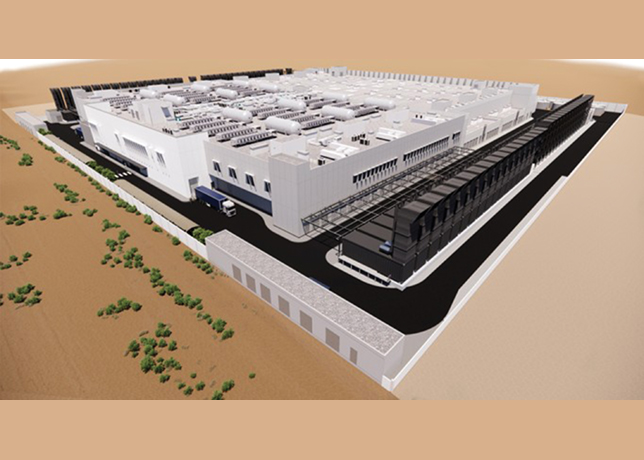





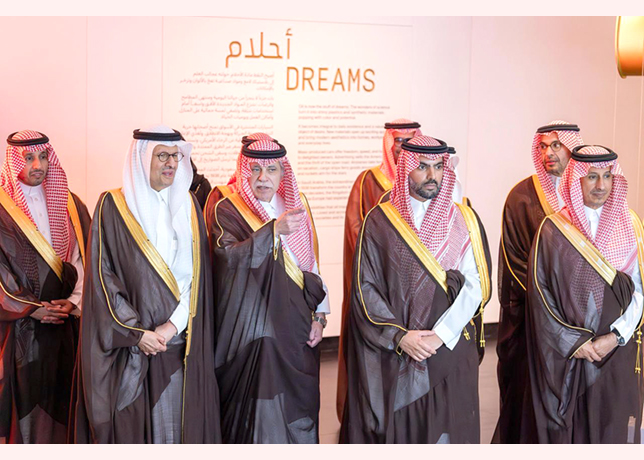






King Abdullah has announced several industrial and infrastructure projects worth more than SR81 billion ($22 billion) at the Second Jubail Industrial City (Jubail II).
According to a report, a number of the projects belong to the Royal Commission of Jubail and Yanbu, Saudi Basic Industries Corporation (Sabic) as well as private companies.
He also launched the new facilities at King Fahd Industrial Port and infrastructure projects of Jubail II.
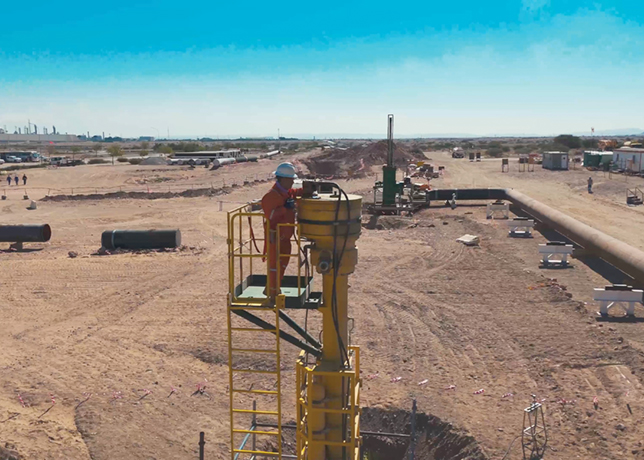
King Abdullah also inaugurated a number of projects, completed under Phase One of Jubail II, including a seawater intake structure and pumping facility capable of delivering 200,00 cubic metres per hour of seawater, a 33-kilometre road network, 30 kilometres of pipelines for fuel gas and feedstock, paths, bridges, drainage, waste water systems, and a water distribution system.
He also opened the expansion at the King Fahd Industrial Port, which included additional petrochemical terminals and tank farms.
The construction of the infrastructure at Jubail II also runs parallel with other projects, such as new housing projects in the industrial cities, expansion of the King Fahd Industrial Port and Jubail Commercial Port, the expansion of the railroad to Jubail, and the development of Ras Al Zour as a new industrial hub.
The king commissioned the 75,000-tonne butanediol petrochemical complex, which belongs to the Saudi International Petrochemical Company (Sipchem).
The plant, the first of its kind in the Middle East, has an annual capacity of 75,000 tonnes to meet world and domestic market demands.
Jubail Industry City now accounts for seven per cent of the world’s total petrochemical production, 70 per cent of the Kingdom’s non-oil exports, and contributes more than 11 per cent of the Kingdom’s total non-oil gross domestic product, and helps sustain the Kingdom’s annual growth at six per cent.
Jubail II is expected to attract investment projects worth 220 billion riyals and create some 55,000 job opportunities.
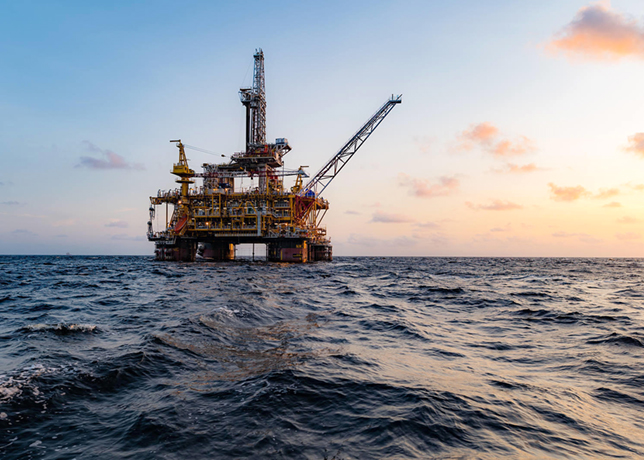
Meanwhile, Saudi Arabia, already top global crude oil exporter, also aims to take a leading role in supplying much-needed transport and heating fuels via $12 billion worth of refining deals with multinationals.
The kingdom, by the end of the decade, plans to ship an extra 800,000 barrels per day (bpd) of refined oil products with the help of US ConocoPhillips and France’s Total.
Riyadh has moved swiftly on the new export refineries to show it is serious about tackling a global refining crunch that has helped drive oil to record highs beyond $70 per barrel.
“For over 70 years, (Saudi) Aramco has been committed to providing the world with reliable energy to fuel its prosperity,” said its President, Abdallah Jum’ah.
“This... will allow us to expand our role to downstream exports in addition to the upstream.”
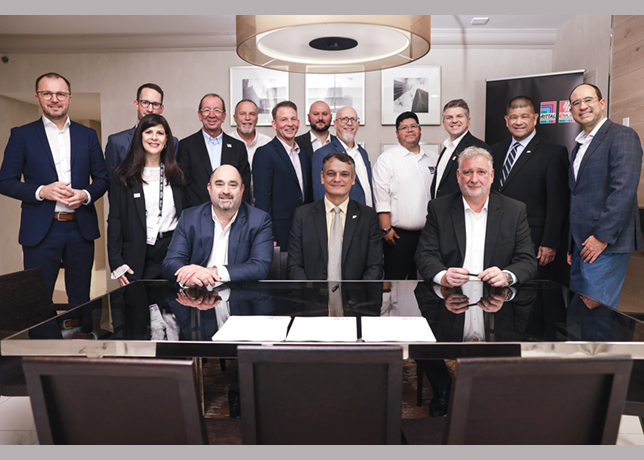
Saudi Aramco, meanwhile, signed a deal with ConocoPhillips for a new export refinery in Yanbu on the Red Sea coast, having sealed a contract earlier with Total for a similar project in Jubail on the Gulf coast.
Aramco officials put the cost of each 400,000 bpd project at $6 billion — up from initial estimates of $4-$5 billion when plans were announced a year ago.
Analysts reckon the costs could climb higher still.
“I expect the cost of the refineries to go up to $7 billion when looking at how quickly they are moving and the advanced technology that is going to be used to get high-end products,” Saudi oil adviser Nawaf Obaid said.
“This re-emphasises Saudi Arabia’s prominent position in the global industry. They’re looking at becoming the top downstream source by 2011.”
To that end, the kingdom has a $50 billion investment scheme in place to boost refining capacity at home and abroad to around 6.4 million bpd from some four million bpd now.
Aramco will supply the full-conversion refineries, targeted for start up in 2011, with 400,000 bpd of Arab Heavy crude. Aramco and its partners will share marketing of output.
The projects...”not only ease tight refining capacities but also address the mismatch between available crude supplies and refinery configurations that are complicating today’s market situation,” said Jumah.
Riyadh holds the bulk of Opec’s spare oil output capacity, but most of that is heavy, hard-to-process crude that gets shunned by many refiners worldwide.
The Yanbu refinery would produce high quality, ultra-low sulphur products aimed for the European and US markets that will be able to meet current and future specifications.
The Jubail refinery is expected to target booming markets in China, the world’s second biggest energy consumer, and India.
“The Saudis’ move to diversify makes a certain amount of economic sense, particularly with growth in demand from other parts of the world,” a Western diplomat said.
“The economic partnership with the US remains by far the largest and most significant and that’s not likely to change in the near future.”
US ExxonMobil has a long-running joint-venture partnership with Aramco at the 400,000 bpd Samref export refinery in Yanbu.
Royal Dutch/Shell has a similar arrangement with Aramco at the 305,000 bpd Sasref export refinery in Jubail.
Total, which has gained a foothold in Saudi Arabia’s upstream gas sector, said the Jubail refinery venture reinforced its presence in the kingdom.
Aramco plans to set up joint ventures with Total and ConocoPhillips for the refineries — with each party holding a 35 per cent stake — and offer 30 per cent to the Saudi public.
Aramco has already started work on a $10 billion refinery and petrochemical complex with Japan’s Sumitomo Chemical. It also plans to expand existing refineries at home and abroad.


