
















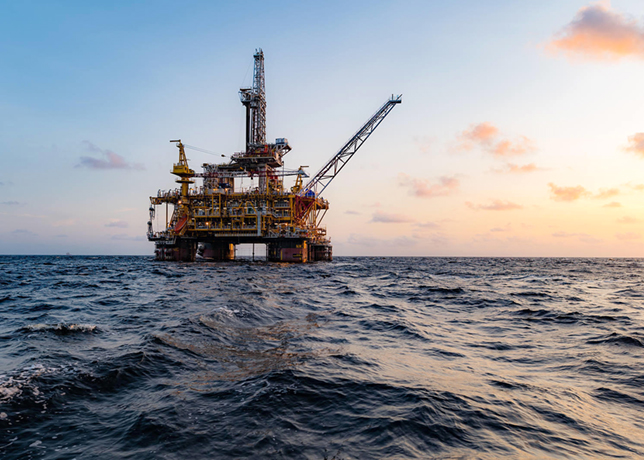


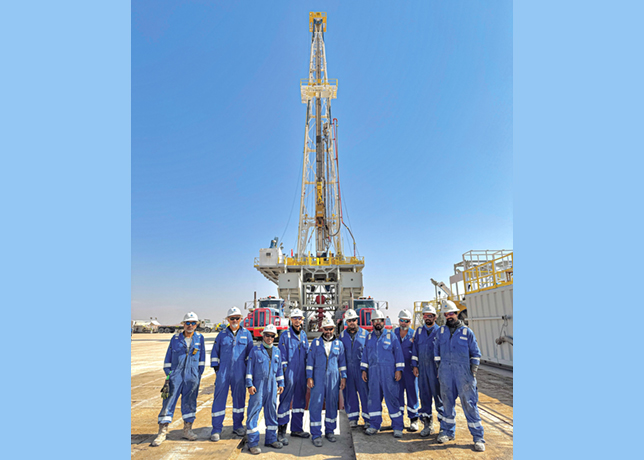





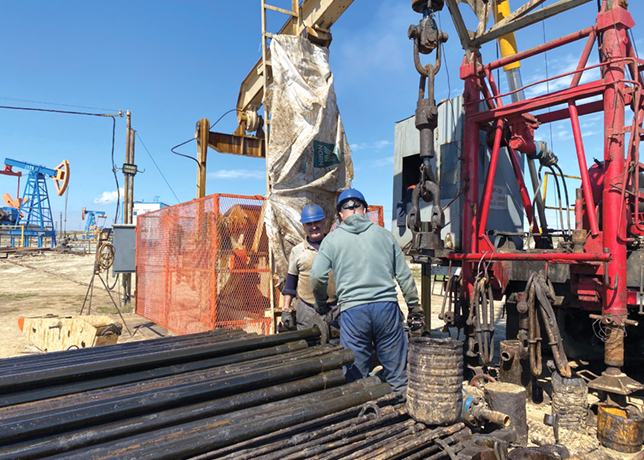






FEW, if any, oil companies produce from in excess of 117 oil and gas fields and over 4,250 wells spread over such a large concession area like the PDO does. In 2008, PDO’s staff and contractors worked more than 1 million hours every three days.
Last year, the company opened three new airports built to International Civil Aviation standards to streamline its transport operations and to support other oil and gas companies operating in Oman.
Surface operations, however, are far from being the greatest of its challenges.
With so many active fields and producing wells, PDO’s biggest single challenge is to maintain optimum control over what is happening underground.
“We call this well and reservoir management, and it’s an area into which we’ve invested a huge amount of time and effort over the last few years.
“Our decision to establish the Study Centre, which in 2008 celebrated its fifth birthday, was the first step in a long journey to build up a full understanding of the complex geological structures that lie beneath the surface,” says company managing director John Malcolm.
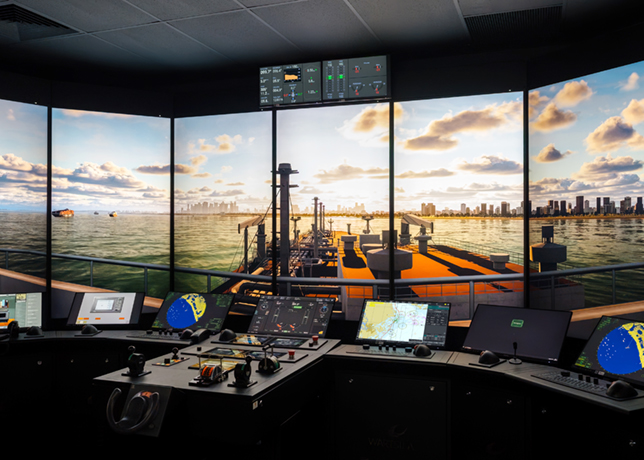
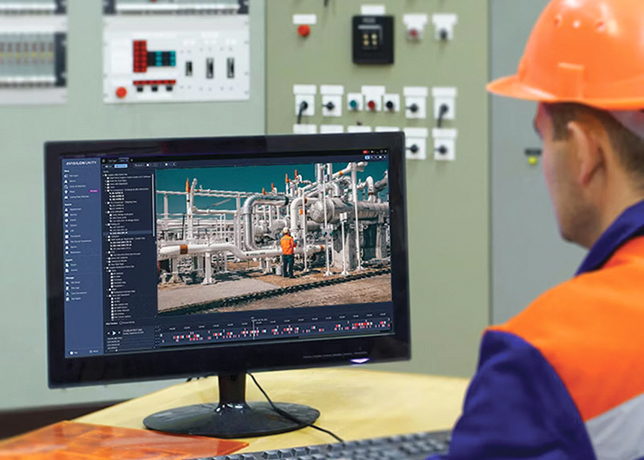
Throughout its operations PDO is installing an increasing amount of highly sophisticated equipment, making its fields ‘smarter’ and in the process generating a huge amount of real-time digital data.
“This has allowed us to change the way we work. The Fahud Collaboration Centre brings together petroleum and well engineers, geologists and operations staff in the interior and at the coast.
“Utilising this data sharing and collaboration technology enables a working model that is having remarkable results, enabling us to maximise the potential offered by smart fields,” he says.
Well and reservoir management is not an academic exercise: the results are clearly measurable in terms of improved operating performance.
Good well and reservoir management means that PDO can optimise output from each individual well.
“We call this No Further Activity or NFA production – that is to say, production from our stock of existing wells.
“Over the last five years, our NFA production rate has steadily improved and now stands at 89.2 per cent, a performance indicator that demonstrates the positive impact of our improved well and reservoir management,” he says.
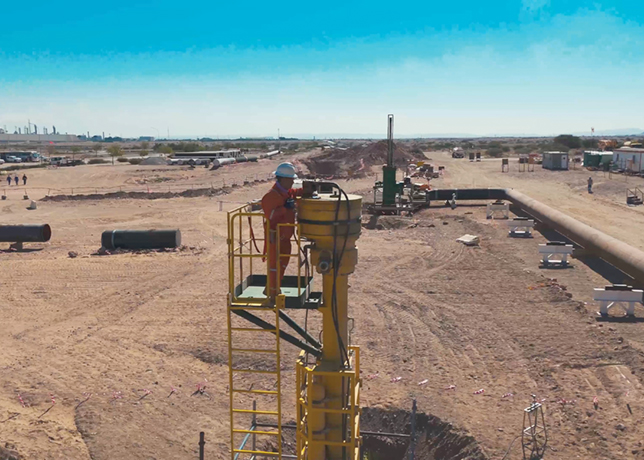
But producing from existing wells is not enough. Over the past few years PDO has also worked on multiple smaller projects which have enabled it to continue to deliver new oil. One such project, among many, is the recent upgrade of the Musallim field. The Musallim project is one of the company’s waterflood developments that will sustain PDO’s oil production while the enhanced oil recovery (EOR) projects are completed and come onstream over the coming years.
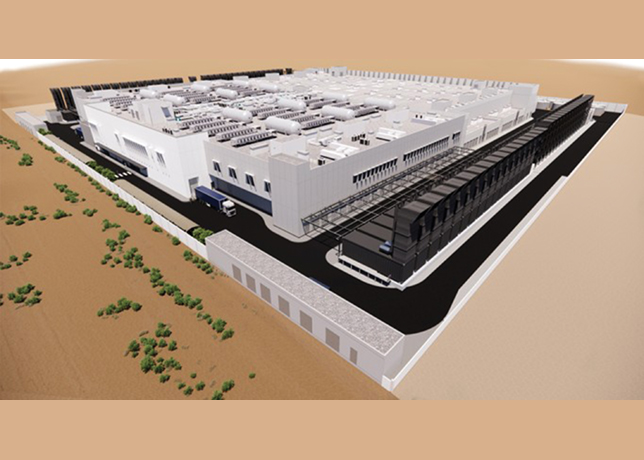
“Here, we drilled 50 new wells – 35 oil producers and 15 water injectors – and built a new plant capable of handling 130,000 bpd of oil and water. At the heart of the new plant is one of the biggest locally-built gas/oil separators installed in the region.
“Built by Arabian Industries, the separator is just one example of the increasing volume of local content in our projects. As a result of the upgrade, oil production at Musallim has tripled.
“After 41 years of operations and looking ahead to the next 35 years, we can expect to manage the major challenge in terms of continuing to maintain the integrity of our infrastructure,” he says.


