


















































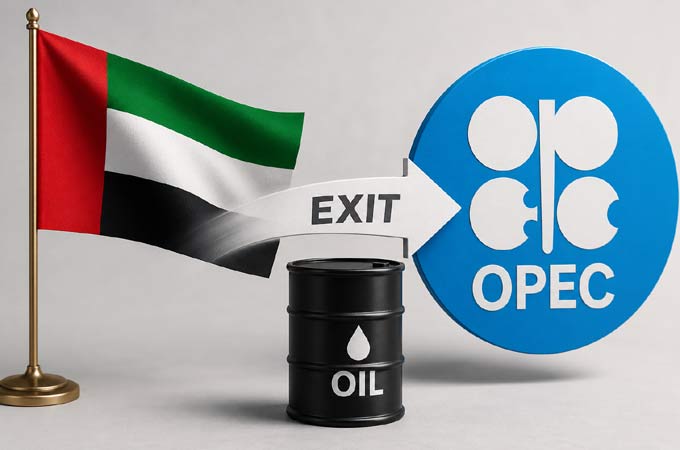
The United Arab Emirates’ planned exit from OPEC and OPEC+ from May 2026 is expected to have limited immediate impact on oil markets in the near term but could weaken the group’s supply management over time, HSBC said, while OPEC+ sources signalled the alliance would remain broadly intact.
The UAE, the fourth-largest producer in OPEC, said it would leave the group after nearly 60 years, a move that frees Abu Dhabi from production targets agreed with OPEC+ to balance global supply and demand. Delegates said the departure would reduce the group’s share of managed output, complicating efforts to calibrate supply, though most members are expected to continue coordinating policy.
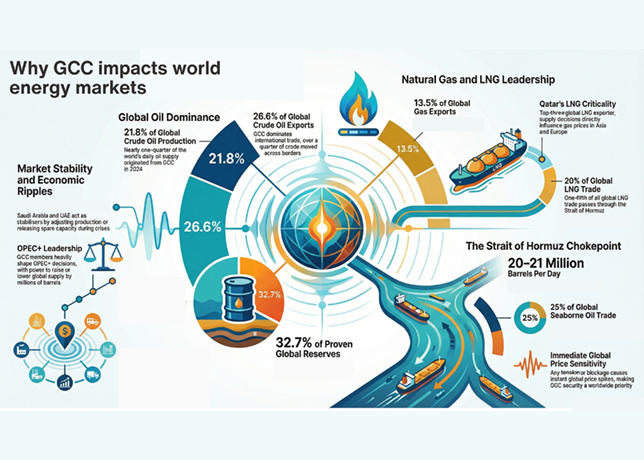
In the near term, HSBC expects little change to global oil supply, with crude exports from the Gulf constrained by disruptions in the Strait of Hormuz, which has been effectively closed since late February. Any increase in UAE output is likely capped while shipping access remains restricted.
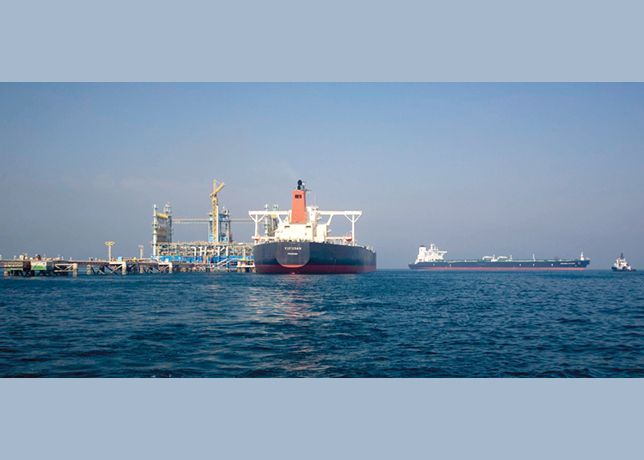
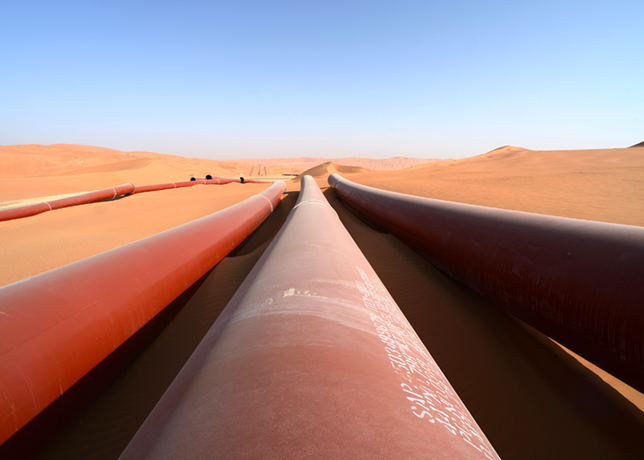
The bank noted that the Abu Dhabi Crude Oil Pipeline, which allows exports to bypass Hormuz via the port of Fujairah, has capacity of about 1.8 million barrels per day and is likely operating close to full utilisation.
Once access through Hormuz is restored, the UAE would no longer be bound by OPEC+ quotas and could gradually increase output. HSBC estimates that the Abu Dhabi National Oil Company could lift production to more than 4.5 million barrels per day, compared with an OPEC+ quota of around 3.4 million bpd for May 2026.
Any supply increase is expected to be phased over 12 to 18 months rather than delivered immediately, in line with ADNOC’s strategy to expand output gradually based on demand and market conditions. Additional UAE barrels could help replenish global oil inventories after recent declines.
Over the longer term, HSBC said the departure of a core Gulf member could test OPEC+ cohesion and credibility, making supply discipline harder to enforce. The UAE’s expanding capacity and long-term investment plans, including a $150 billion programme through 2030, point to a strategy of monetising reserves with fewer output constraints.
OPEC+ sources also warned that the exit could increase the risk of weaker compliance among remaining members, potentially limiting the group’s ability to stabilise prices during periods of softer demand or rising non-OPEC supply.