






























A new report by the International Energy Agency (IEA) has identified opportunities to reduce global greenhouse gas emissions by more than 1.5 billion tonnes annually by 2035 through waste prevention, improved resource efficiency, recycling and the conversion of organic waste into energy.
Launched at COP31 in
Antalya, the report was prepared at the request of the COP31 Presidency of
Türkiye, supporting its ambition to advance zero-waste and circular economy
approaches under the summit's Action Agenda.
The findings highlight
how more efficient use of materials and better waste management could reduce
energy demand, strengthen economic competitiveness and support countries'
emissions reduction targets.
The IEA estimates that
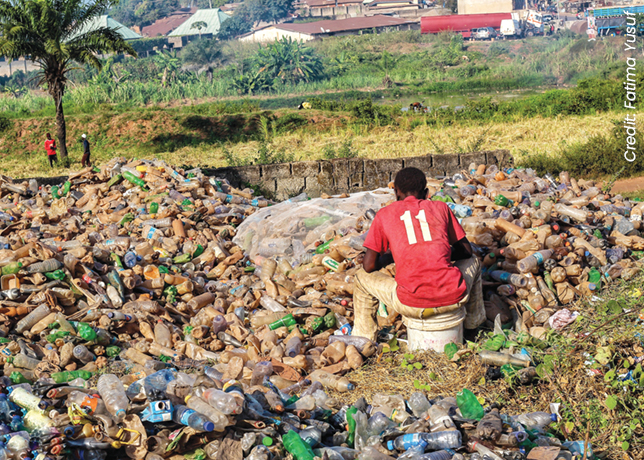
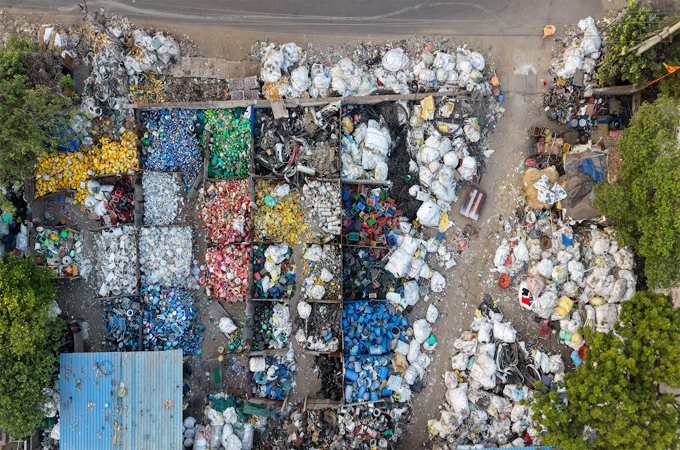
the world generates approximately 2.6 billion tonnes of municipal waste
annually. Waste disposal, treatment and incineration account for around 4% of
global greenhouse gas emissions, including nearly one-fifth of human-caused
methane emissions.
However, the report
notes that the wider emissions impact is considerably greater when the energy
and resources used to produce materials that are eventually discarded are
included.
The proposed measures
could deliver annual emissions reductions equivalent to eliminating emissions
from half of the world's car fleet.
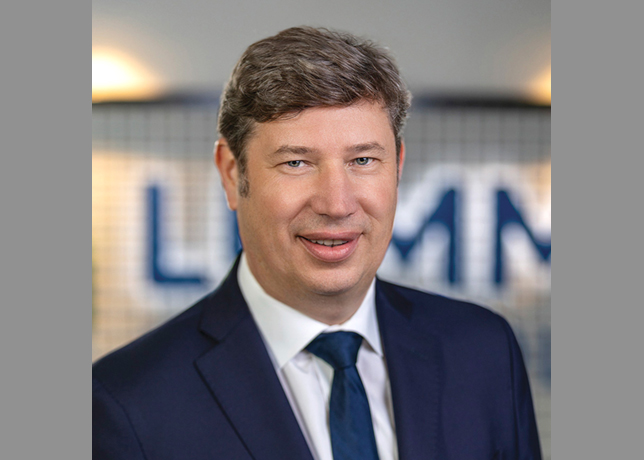
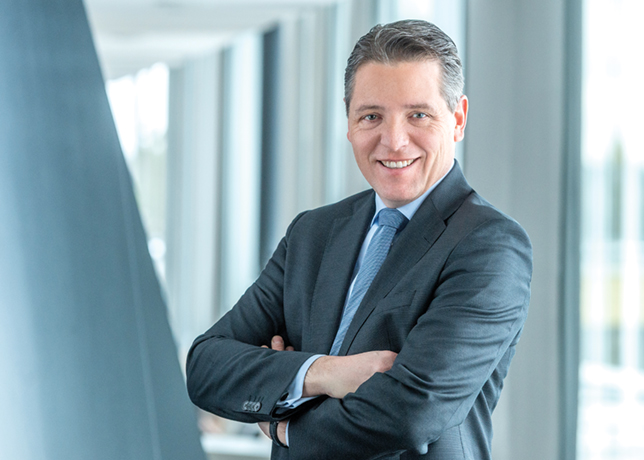
IEA Executive Director
Fatih Birol said: “The way we produce, consume and dispose of resources has
far-reaching consequences not only for waste generation, but for our energy
systems and our economies. Governments and businesses have the power to accelerate
progress towards a zero waste and circular economy, creating the conditions to
waste less, use resources more efficiently and make better use of the waste we
do generate. As our analysis shows, progress towards these goals can bring
numerous benefits, helping countries strengthen their economic competitiveness
while lowering their emissions. As strategic partner to the COP31 Presidency,
we are pleased to support Türkiye in bringing much-needed attention to this
important opportunity.”
Three priorities
for resource efficiency
The report identifies
three areas with significant potential to accelerate progress.
The first is
preventing waste through improved product design and more efficient use of
materials. This includes reducing demand for energy-intensive materials such as
steel and cement by extending product lifespans and making better use of
existing resources.
The second involves
improving waste collection, sorting and recycling to recover valuable
materials. These measures could help double global plastics recycling by 2035.
The third focuses on
converting residual organic waste into energy through sustainable processes,
potentially enabling a fourfold increase in biogases production.
Policy and
investment priorities
The IEA highlights the
need for coordinated action by governments and businesses to translate these
opportunities into practical results.
Recommended measures
include reforming incentives and performance indicators to prioritise resource
efficiency, encouraging circular approaches to product and infrastructure
design, and increasing investment in waste collection, recycling and
sustainable energy recovery.
The report also
identifies professional training, international cooperation and improved access
to finance as important requirements, particularly for emerging and developing
economies.
While many of the
proposed measures rely on existing technologies, the IEA says implementation
will require changes in how products, buildings and infrastructure are
designed, produced, used and managed throughout their lifecycles.
The findings position circular economy policies as an opportunity to address waste, reduce emissions and improve the efficiency of energy and material use while supporting the COP31 Presidency's zero-waste ambitions. -OGN/TradeArabia News Service