
























The company is leveraging technology, unconventional resources, and long-term contracts to ensure resilience, continuity, and growth amid escalating Gulf geopolitical tensions and market uncertainties
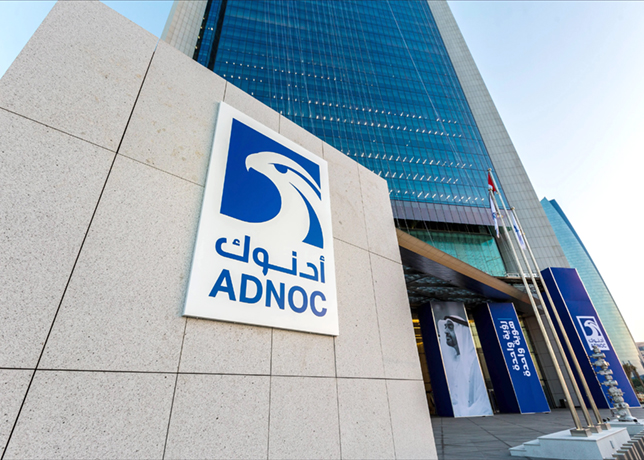
In a Gulf energy landscape increasingly shaped by geopolitical tensions, ADNOC Drilling has emerged as a model of operational resilience, combining scale, technology integration, and regional expansion to safeguard continuity and growth.
Its 2025 results reflect not only record financial performance but also a strategic approach designed to withstand external pressures while maintaining high operational efficiency and long-term revenue visibility.
According to the ADNOC Drilling 2025 report, the company posted revenue of $4.9 billion, up 22 per cent year-on-year, with net profit rising 11 per cent to $1.45 billion.
EBITDA margins remained robust at approximately 45 per cent, while conventional operations achieved 51 per cent.
Free cash flow reached $1.24 billion, supporting a total dividend of $1.0 billion and reinforcing a progressive dividend policy targeting at least $6.8 billion through 2030.
These figures reflect a financial profile underpinned by long-term ADNOC contracts, providing stability and capital certainty even amid potential regional disruptions.
OPERATIONAL SCALE & TECHNOLOGY AS RESILIENCE LEVERS
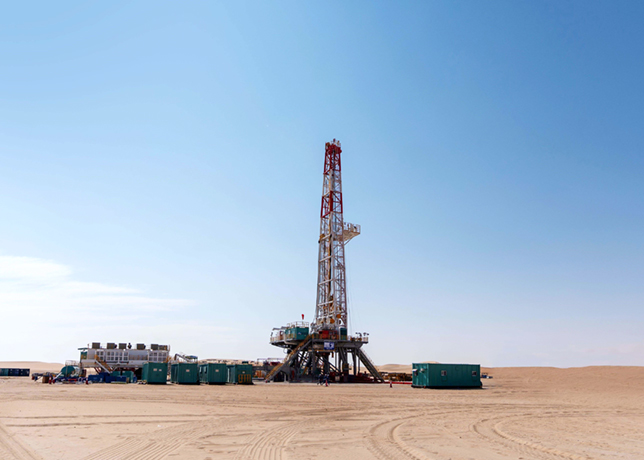
ADNOC Drilling manages a fleet of 169 rigs with 98 per cent availability, including 92 onshore, 36 offshore jack-ups, and 12 island rigs.
In 2025, the company delivered 836 wells, including 666 onshore and 170 offshore, while expanding its integrated drilling services (IDS) footprint to 60 rigs and servicing 58 rigs with discrete operations.
The IDS model allows ADNOC Drilling to oversee the full lifecycle of wells, from drilling through completion, reducing exposure to delays and disruptions while capturing greater value per project.
Technology integration and unconventional resource development have become central to operational resilience.
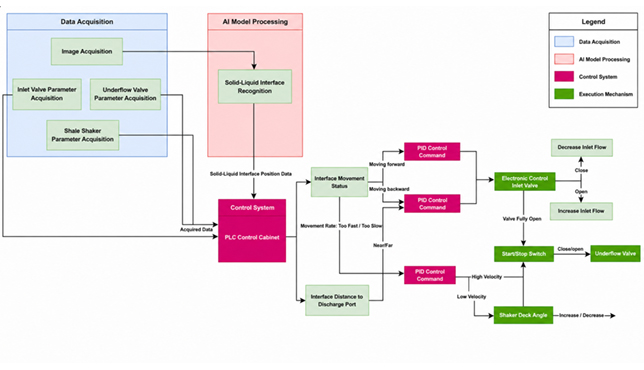
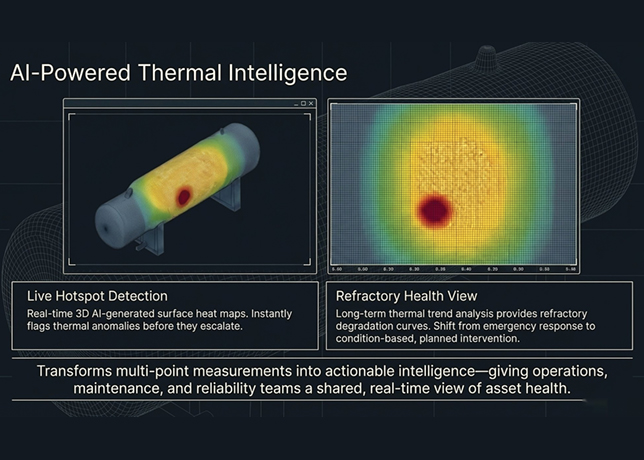
AI-enabled systems cut non-productive time by up to 20 per cent, shortened well duration by 4.5 days, improved rate of penetration by 20 per cent, and reduced operational risk exposure by 75 per cent.
These efficiencies produced $150 million in savings while lowering emissions by roughly 30 ktCO2e, illustrating that technology investments enhance both environmental performance and operational reliability.
Embedding digital monitoring, automation, and AI-driven analytics directly into workflows ensures consistent performance even under external pressures, a critical capability in a conflict-prone region.
Parallel to these advancements, the Turnwell joint venture has accelerated the development of unconventional resources.
Under a Phase 1 contract valued at $1.7 billion, 87 wells have been delivered, achieving drilling times of under 15 days and reducing pad-level cycle times by more than 50 per cent.
With unconventional resources estimated at 220 billion barrels of oil and 460 trillion cu ft of gas, the initiative represented over 40 per cent of wells drilled in 2025, signalling a growing contribution to total output and providing a diversified operational base capable of mitigating regional supply shocks.
Complementing operations and technology is Enersol, a joint investment platform with Alpha Dhabi, mandated to deploy up to $1.5 billion.
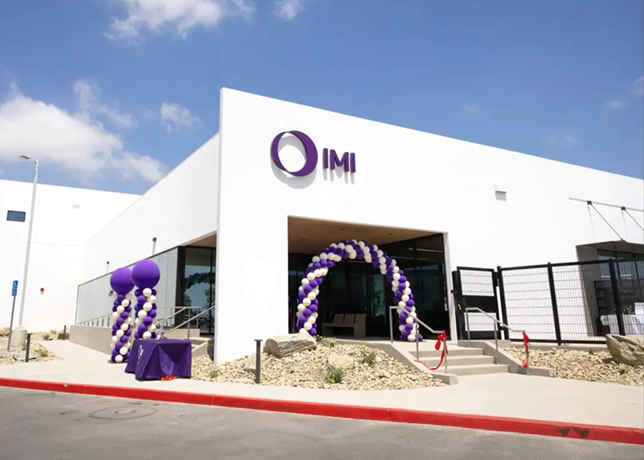
To date, $700 million has been invested across four acquisitions, including companies specialising in measurement-while-drilling, high-pressure completion, diagnostics, and advanced manufacturing.
These assets are integrated into ADNOC Drilling’s operations to enhance well integrity, efficiency, and real-time decision-making.
Enersol’s capabilities also extend into geothermal applications, offering versatility beyond conventional hydrocarbons, a strategic asset in an increasingly uncertain energy environment.
REGIONAL EXPANSION & CONTRACT SECURITY
In 2025, ADNOC Drilling acquired a 70 per cent stake in a joint venture with SLB covering land drilling in Kuwait and Oman, completed in January 2026, and an 80 per cent stake in MB Petroleum Services, which operates across Oman, Kuwait, Saudi Arabia, and Bahrain.
These transactions mark the company’s first major move outside the UAE, establishing a geographically diversified platform and reducing reliance on any single market, a key defensive measure in a Gulf energy system exposed to geopolitical tension.
Long-term contracts underpin operational stability. In 2025, ADNOC Drilling secured major awards, including a $1.15 billion, 15-year contract for two jack-up rigs and a $1.63 billion integrated drilling services agreement.
Additional agreements for island rigs and oilfield services extended total contract awards to $3.6 billion, with first-half additions of $4.8 billion.
Coupled with debt refinancing, including a $500 million loan and a $1.5 billion revolving facility, these arrangements provide both liquidity and investment flexibility, enabling ADNOC Drilling to maintain operations and service delivery in a volatile regional environment.
The convergence of these factors positions ADNOC Drilling at the centre of a shifting Gulf energy services landscape.
Its integrated model, long-term contracted revenues, and geographically distributed operations allow the company to operate at industrial scale while preserving high margins, robust cash generation, and continuity of service even under external pressures.
In a region where energy security is increasingly intertwined with geopolitical dynamics, ADNOC Drilling exemplifies the capacity to manage risk while pursuing growth.
As Gulf energy services face an era of heightened uncertainty, ADNOC Drilling’s strategy underscores a critical lesson: Resilience is built not solely through financial or operational scale, but through technology adoption, diversification, and long-term contractual discipline.
The company’s 2025 performance demonstrates that even amid regional stress, a technology-enabled, integrated service platform can deliver stability, growth, and reliability, ensuring it remains central to ADNOC’s upstream ambitions and the broader Gulf energy ecosystem.