












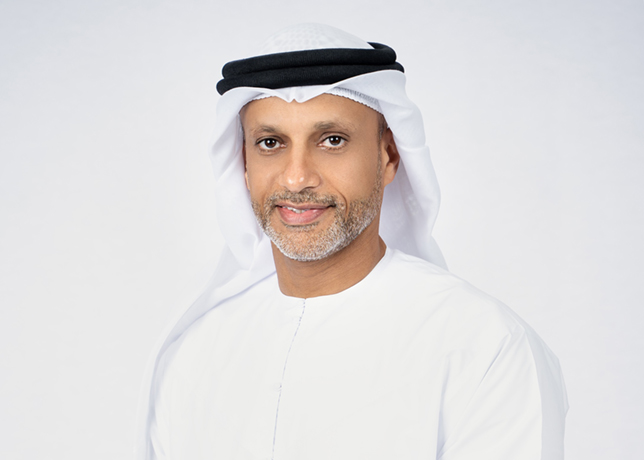
The major steelmaker advances structural emissions cuts via low-carbon production routes, clean electricity sourcing and innovative pilots, while deploying green finance, Eng Saeed Ghumran Al Remeithi tells OGN
EMSTEEL is advancing industrial decarbonisation through structural process changes, integrating nuclear-backed electricity, hydrogen pilots and carbon capture to deliver lower-emission steel at scale while maintaining operational reliability and competitiveness.
The group combines certified clean electricity procurement with direct abatement, achieving a 4 per cent year-on-year drop in emissions intensity.
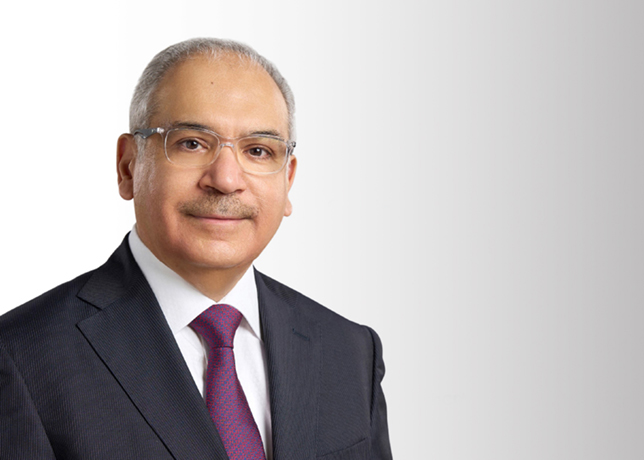
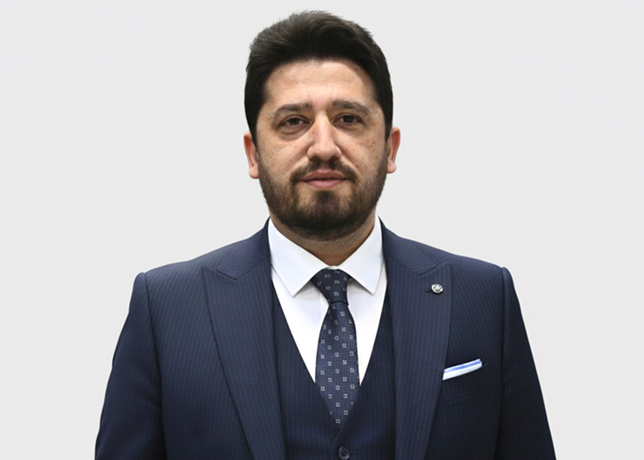
“The core decarbonisation challenge in steel can only be addressed by changing the process itself,” Eng Saeed Ghumran Al Remeithi, GCEO of EMSTEEL, tells OGN energy magazine in an exclusive interview.
Backed by a Green Finance Framework, EMSTEEL is funding transition without passing costs to customers.
Below are excerpts from the interview:
How can you ensure your use of clean energy certificates results in genuine emission reductions rather than just accounting offsets?
We use internationally recognised Energy Attribute Certificates (EACs) for renewable electricity (I-RECs) that are issued, tracked and retired in line with GHG Protocol market-based accounting rules, with clear boundaries, annual retirement and independent verification to prevent double counting.
By purchasing and redeeming EACs, we can legally and credibly match our electricity consumption with renewable electricity generation sources, thereby reducing our reported Scope 2 emissions.
In addition, Scope 2 emissions are reported transparently and separately from Scope 1 reductions, ensuring a clear distinction between clean electricity procurement and direct operational abatement.
In 2025, 89 per cent of Emirates Steel’s and 29 per cent of Emirates Cement’s electricity consumption came from EAC’s certifying that electricity has been generated from clean sources (nuclear and solar electricity).
Crucially, international renewable energy certificates (I-RECs) are only one component of our decarbonisation strategy.
The majority of emissions reduction comes from structurally lower-carbon production routes, energy efficiency improvements, carbon capture, hydrogen readiness and material efficiency across both steel and cement.
Clean electricity reduces indirect emissions, but it does not replace the need to address direct process emissions, which remain our primary focus.
What steps is EMSTEEL taking to transition beyond certificates to direct clean energy procurement?
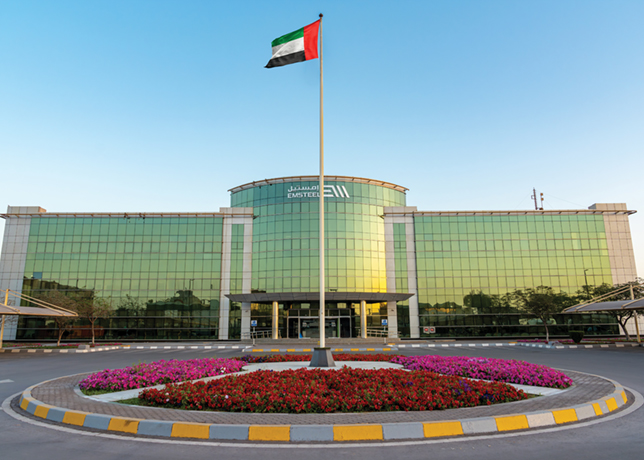 |
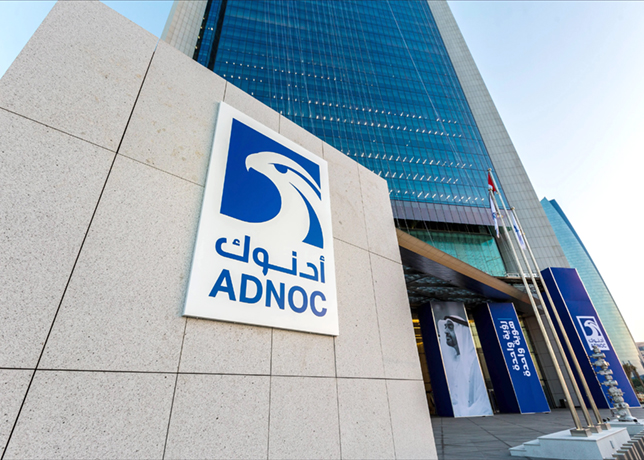
EMSTEEL headquarters |
Clean energy certificates play a transitional role at EMSTEEL, but our strategy is centred on organic decarbonisation measures and the direct integration of clean energy into how steel and cement are produced.
This transition is built on our natural gas-based ‘direct reduced iron–electric arc furnace’ (DRI–EAF) production route, which already delivers a materially lower emissions profile than coal-based blast furnace steelmaking, and provides a credible platform for electrification, hydrogen integration and carbon capture.
Combined with operational carbon capture, clean energy integration and continuous efficiency improvements.
In 2025, EMSTEEL continued to reduce emissions intensity across its operations, even as production increased.
In the steel business, Scopes 1 and 2 (market-based) emissions intensity improved to 0.637 tCO₂e/t, a 4 per cent year-on-year reduction and 32 per cent below the 2019 baseline, reflecting the impact of energy efficiency measures, clean electricity sourcing, and carbon capture.
In the cement business, Scopes 1 and 2 (market-based) emissions intensity marginally decreased to reach 0.638 tCO₂e/t in 2025.
Direct abatement of Scope 1 emissions is achieved through our partnership with ADNOC at the Al Reyadah facility, where carbon capture, utilisation and storage (CCUS) is deployed at commercial scale, with a capture capacity of approximately 800,000 tonnes of CO₂ annually from our direct reduction plants for use in enhanced oil recovery (EOR).
Beyond carbon capture, EMSTEEL has demonstrated hydrogen readiness in iron reduction through the region’s first green hydrogen steelmaking pilot with Masdar, deploying a 2.1-megawatt (MW) Proton Exchange Membrane (PEM) electrolyser, which is currently operational.
This capability has moved beyond testing, with hydrogen-based low-carbon rebar supplied for Abu Dhabi’s first net-zero carbon mosque on Yas Island, confirming that hydrogen can be integrated into steel production without compromising product quality.
We are also addressing combustion emissions through electrification.
Together with Danieli and Kanthal, EMSTEEL launched a world-first 1.3-MW electric process gas heater pilot project, that will replace gas-fired heating in the DRI process with electrified systems powered by clean energy.
This will provide a practical, scalable pathway to eliminate post-combustion emissions from one of the most energy-intensive stages of steelmaking.
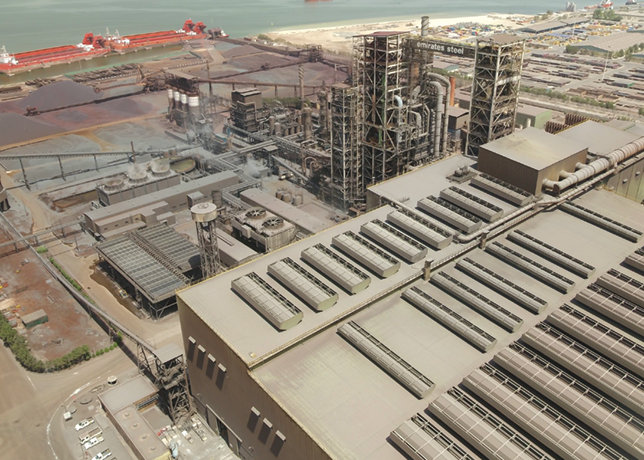 |
In 2025, 89 per cent of Emirates Steel’s electricity came from clean sources |
These technological shifts are matched by deeper integration with the Abu Dhabi power system. Through our partnership with the Emirates Nuclear Energy Company (ENEC), EMSTEEL aligns its continuous industrial baseload demand with an increasingly decarbonised grid supplied by nuclear generation from the Barakah Nuclear Energy Plant alongside large-scale solar.
Circularity complements this transition across steel and cement.
Through the Magsort industrial pilot, now being integrated at our Al Ain Cement facility, steel slag is converted into a low-carbon cement input, reducing reliance on carbon-intensive clinker and directly linking decarbonisation across both sectors within a single industrial system.
All of these elements are unified under TrueGreen™ framework, EMSTEEL’s sustainability identity, which ensures that our products are supported by independently verified Environmental Product Declarations.
Our approach is further validated by ResponsibleSteel™ certification, the first in the MENA region, reinforcing that our transition is grounded in operating assets, verified data and industrial execution rather than aspirational targets.
Given Scope 1 emissions dominate your steel operations, how does prioritising Scope 2 via nuclear certificates address the core decarbonisation challenge? What specific technologies beyond pilots like green hydrogen are you scaling to tackle Scope 1?
The prioritisation of Scope 2 is not a substitute for addressing Scope 1; it is what makes Scope 1 decarbonisation possible at scale.
In a DRI–EAF production route, clean electricity is the enabling input for electrification, hydrogen integration and carbon capture.
By covering 89 per cent of our electricity consumption through clean energy certificates, we are reducing our market-based Scope 2 emissions while supporting the scale-up of low-carbon generation.
Nuclear-backed electricity contributes baseload stability at the grid level, enabling decarbonisation of energy-intensive industries.
The core decarbonisation challenge in steel can only be addressed by changing the process itself.
EMSTEEL’s starting point is structural: Our natural gas-based DRI–EAF route already avoids coal combustion.
From that baseline, Scope 1 emissions are being reduced through technologies already operating at scale, including commercial-scale carbon capture in operation.
Electrification and hydrogen are being advanced pragmatically.
The electric process gas heater pilot will remove combustion from a critical stage of iron reduction, while the green hydrogen pilot with Masdar has confirmed hydrogen readiness without compromising steel quality.
Together, these pathways demonstrate that clean electricity is not the end goal, but the essential foundation that allows EMSTEEL to scale direct emissions reduction across live industrial operations.
How does EMSTEEL ensure transparency and credible verification in its sustainability reporting, especially on missing Scope 3 breakdowns, limited baselines, potential clean energy overstatements, and unclear reduction attribution?
EMSTEEL is actively addressing Scope 3 emissions through structured engagement across its value chain.
In 2024, the Group launched ESG and sustainability assessments for Tier 1 suppliers, and in 2025 expanded coverage to Tier 2 and Tier 3 suppliers, progressively improving data coverage, emissions transparency, and risk visibility across the supply chain.
To support this transition, EMSTEEL is implementing targeted training programmes on the Carbon Border Adjustment Mechanism (CBAM), the GHG Protocol, ESG principles, ResponsibleSteel standards, and responsible sourcing practices.
These programmes build internal capability and supplier awareness, aligning leadership and the workforce with international best practice and driving continuous improvement.
In parallel, EMSTEEL collaborates with key raw material suppliers to enhance the quality and granularity of emissions data, strengthening Scope 3 accounting over time.
Operational initiatives to reduce logistics-related emissions are also underway, including piloting electric heavy vehicles for local distribution and shifting freight from road to rail where feasible.
These actions are delivered through EMSTEEL’s Responsible Supply Chain Transformation Programme, which embeds ESG, climate, and responsible sourcing principles across procurement and supplier management.
The programme positions procurement as a strategic enabler of sustainability, regulatory readiness, operational resilience, and long-term value creation.
How does nuclear align with your green hydrogen pilots, given renewables' better fit? If renewables like solar are cheaper and less risky, why not accelerate their adoption over nuclear?
Solar energy already plays an important role in EMSTEEL’s clean electricity mix and continues to expand due to its cost competitiveness and scalability.
However, steelmaking and green hydrogen production require continuous, high-intensity power.
Variable generation alone cannot support the utilisation rates needed for electric furnaces, electrolysers and electrified thermal processes without efficiency losses.
Nuclear energy supplied through ENEC provides carbon-free baseload electricity, enabling these systems to operate around the clock.
This stability is essential for the electrification of the DRI process and the economic viability of green hydrogen, where high-capacity factors for electrolysers are critical to cost reduction.
This integrated approach is central to our roadmap.
EMSTEEL targets a 40 per cent reduction in steel emissions and 30 per cent in cement by 2030 versus a 2019 baseline.
In 2025, 89 per cent of Emirates Steel’s and 29 per cent of Emirates Cement’s electricity came from clean sources through I-RECs, which provide traceability and verification for electricity supplied via an increasingly decarbonised grid.
Ultimately, by combining low-cost solar with the reliable stability of nuclear energy, we have created a resilient system that delivers low-carbon steel at industrial scale without compromising production continuity.
How will EMSTEEL fund its decarbonisation without passing costs to consumers or losing market share?
Funding decarbonisation at this scale requires a shift from traditional capital expenditure models toward structured green financing.
To support the transition, EMSTEEL will deploy its Green Finance Framework, launched in 2025.
This enables the group to raise capital through green bonds, green loans, and other sustainability-linked instruments directly tied to eligible decarbonisation and efficiency projects across its steel and cement operations.
The framework developed with support from ING and First Abu Dhabi Bank (FAB) is aligned with internationally recognised standards, including the ICMA Green Bond Principles.
It received a “Very Good” sustainability quality score from Moody’s Ratings, providing external assurance that capital is allocated transparently.
This allows EMSTEEL to fund its transition through long-term investment rather than operational surcharges or price pass-throughs.
Proceeds are directed toward projects that improve energy efficiency, electrification, and renewable energy integration.
These investments are designed to lower unit production costs over time by improving asset utilisation and process performance.
Simultaneously, product innovation plays a critical role; high-performance grades like ES600 high-tensile rebar allow customers to use less steel, reducing both embodied carbon and total project costs.
This ensures sustainability translates into efficiency and value, not premiums.
Finally, EMSTEEL’s funding strategy is designed to strengthen its market position as the EU’s Carbon Border Adjustment Mechanism (CBAM) enters full implementation in early 2026.
With a carbon intensity already below the global industry average, EMSTEEL is exceptionally well-positioned to navigate these new trade barriers.
While competitors may face rising carbon costs or urgent retrofitting expenses, EMSTEEL’s proactive investment ensures it remains the partner of choice for global markets, protecting margins and preserving market access in a carbon-constrained economy.
How do you reconcile historical emissions with claims of long-term decarbonisation leadership? What reparative actions address past environmental impacts? If baselines are high, how credible are net-zero projections?
Heavy industry carries legacy emissions generated by long-lived industrial assets.
Decarbonisation leadership is demonstrated by the scale, durability, and credibility of reductions delivered from that starting point.
EMSTEEL addresses historical environmental impact through emissions that are materially reduced through infrastructure embedded in operations, including industrial carbon capture and process upgrades already in use.
Hydrogen readiness has progressed from pilot deployment to early application, reducing future emissions intensity within steelmaking processes.
Credibility is reinforced through structural changes to energy and production systems.
Clean electricity has been integrated at scale, energy-intensive processes within the DRI route are being electrified, and asset-level efficiency upgrades are delivering permanent operational emissions reductions.
Circularity across steel and cement further reduces historical impact.
Steelmaking by-products are converted into inputs for cement production, reducing landfill volumes, lowering raw-material demand, and cutting lifecycle emissions across the construction value chain.
Where historical baselines are high, net-zero projections are credible only when reductions are already visible.
EMSTEEL’s pathway is built on operating assets and proven technologies, with progress measured through delivered emissions reductions and verified low-emission products at industrial scale.
By Abdulaziz Khattak