







Europe is accelerating efforts to diversify its energy mix, turning to North Africa as a strategic partner for both electricity and liquefied natural gas (LNG).
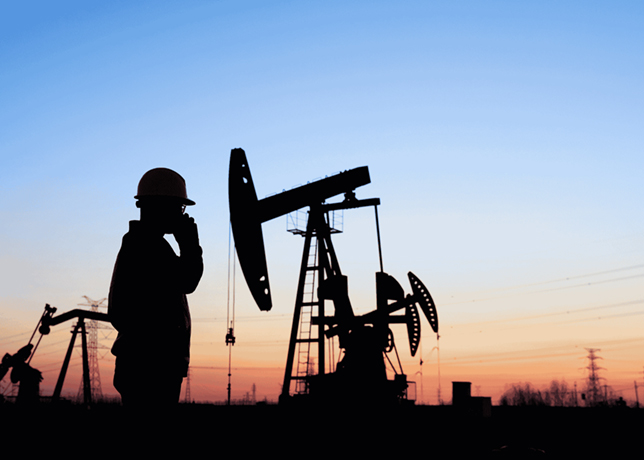
While the relationship has long relied on hydrocarbons such as Algerian gas and Libyan oil, electricity trade is emerging as a key complement.
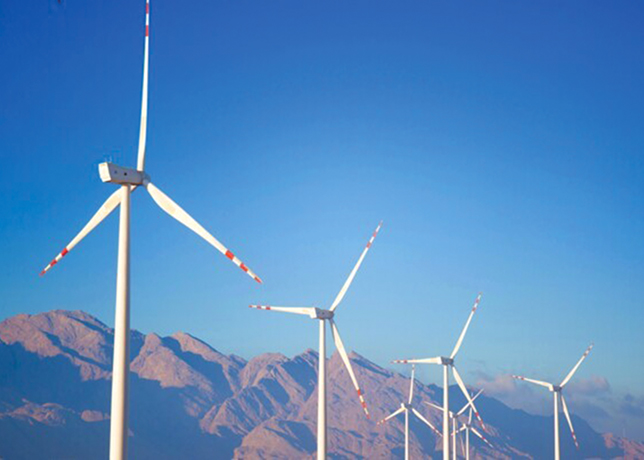
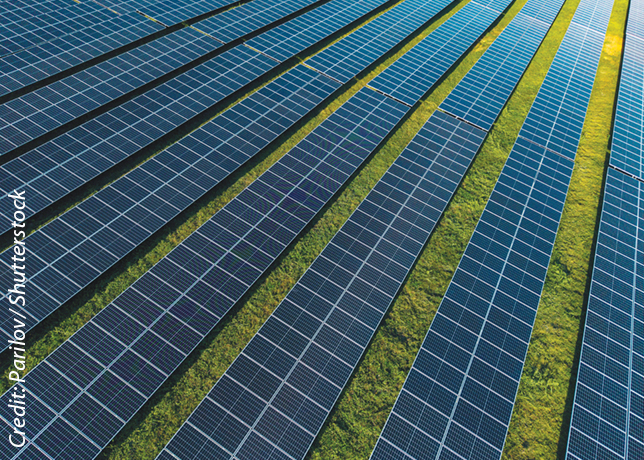
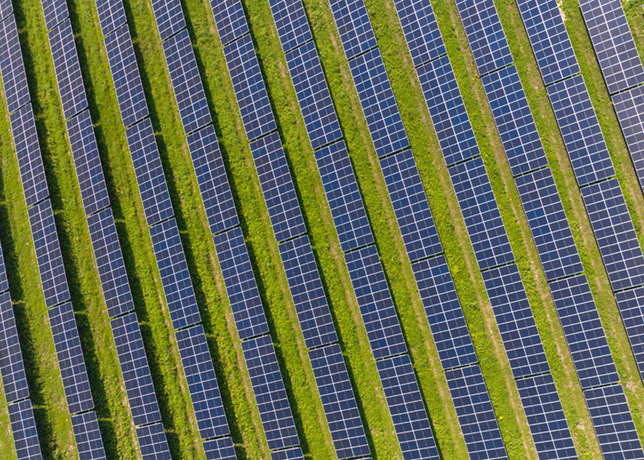
Expanding renewable capacity, improved transmission networks and new cross-Mediterranean interconnectors, such as the ELMED cable linking Tunisia and Sicily, are laying the groundwork for integrated power markets.
Libya, positioned at the centre of a potential regional grid linking Algeria and Tunisia, could become a flexible electricity exporter with investment in infrastructure and renewables.
Electricity trade is expected to work alongside Africa’s growing LNG sector rather than replace it.
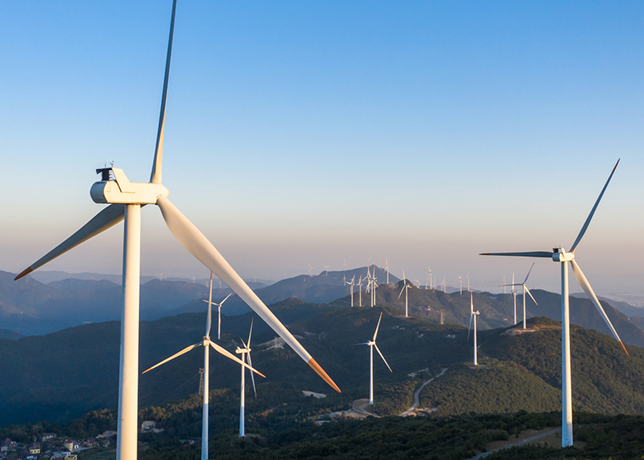
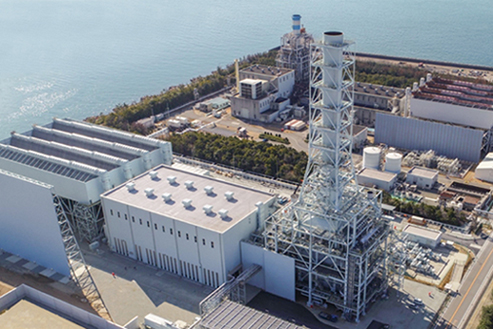
Gas-fired power can provide stable baseload electricity, while renewables help reduce emissions and align with Europe’s climate goals.
This hybrid model offers European buyers greater flexibility and resilience amid volatile markets and geopolitical risks.
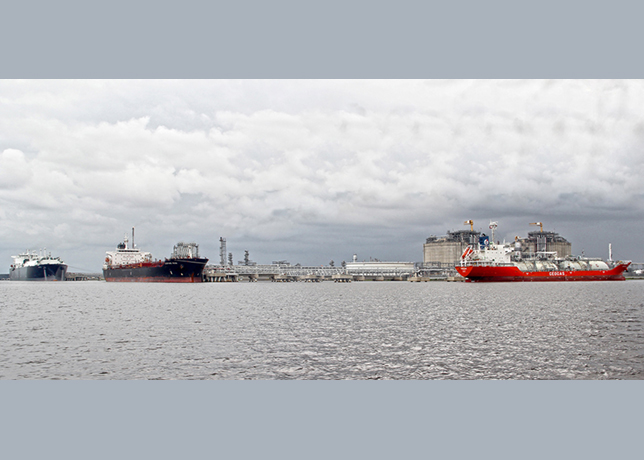
At the same time, pre-sanctioned African LNG projects are becoming increasingly valuable. Developments in Mozambique, Senegal-Mauritania, Nigeria, Angola and the Republic of Congo are coming online just as Europe seeks immediate supply.
These projects benefit from timing, offering faster delivery compared to new developments that take years to materialise.
Together, expanding electricity links and LNG capacity position Africa as a vital, diversified energy partner for Europe, creating new opportunities for investors and reshaping cross-Mediterranean energy dynamics.