



































Africa’s power sector is attracting rising global investment, with energy deals reaching about $13.84 billion in 2025, largely driven by clean power projects.
Yet a significant execution gap persists: of 74,000 MW announced capacity, only around 14,500 MW has been delivered.
This shortfall reflects a deeper "bankability gap", where many projects fail to meet investor requirements for stable returns, risk mitigation and credible financial structures.
Bankability depends on clear revenue streams, reliable contracts, experienced sponsors and financing models that inspire lender confidence.
Projects that meet these criteria are beginning to succeed.
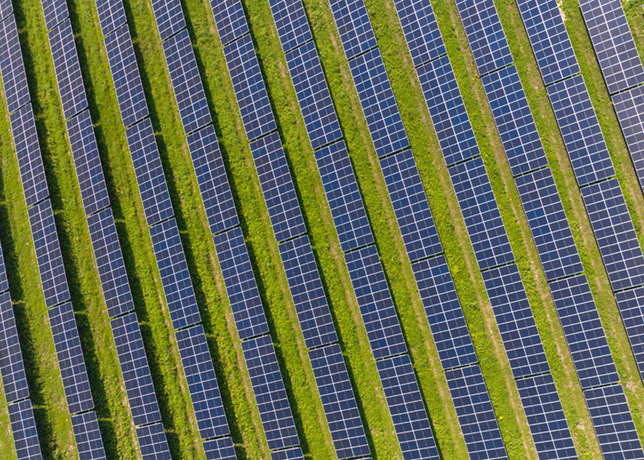
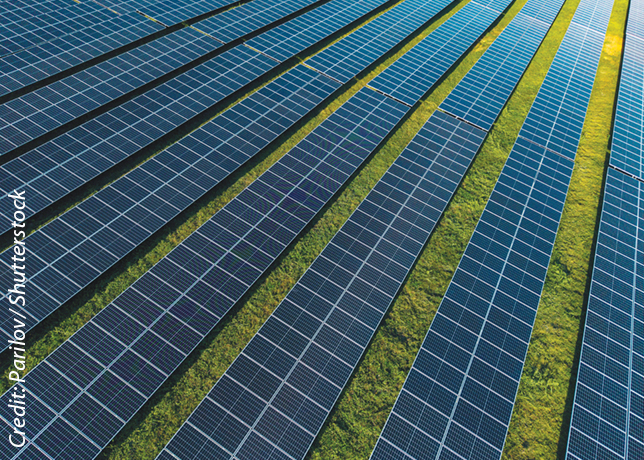
In South Africa, a 300-MW solar-plus-storage project achieved financial close due to long-term power purchase agreements and strong backing, demonstrating how solid fundamentals attract capital.
Similarly, Zambia’s 32-MW Ilute Solar Project achieved financial close through a market-based PPA and layered financing that reduces price risk.
Blended finance is also gaining traction. Funds like the Afrigreen Debt Impact Fund are helping de-risk smaller projects by combining public and private capital, unlocking new investment opportunities.
Ultimately, closing Africa’s bankability gap will require more than capital.
Strong project sponsors, innovative financing structures and effective risk-sharing mechanisms are essential to turn planned capacity into operational projects, enabling sustainable growth and accelerating the continent’s energy transition.