















































African Petroleum Ministers have announced they will not participate in the upcoming Africa Energies Summit (AES) scheduled for May 12–14 in London, citing serious concerns over local content, representation, and the summit’s agenda direction.
This boycott underscores the continent’s insistence that local content remains a central priority for Africa’s energy development and that industry platforms must reflect African values and development objectives.
NJ Ayuk, Executive Chairman of the African Energy Chamber, emphasised that the exclusionary policies of AES organisers undermine inclusivity and African industry standards, urging reforms to align the platform with local priorities.
Across Africa, both emerging and established oil and gas markets have incorporated local content policies to drive job creation, skills development, and economic participation.
Examples include Nigeria’s NOGIC Act and Angola’s Local Content Law, which have integrated local suppliers and workforce into projects.
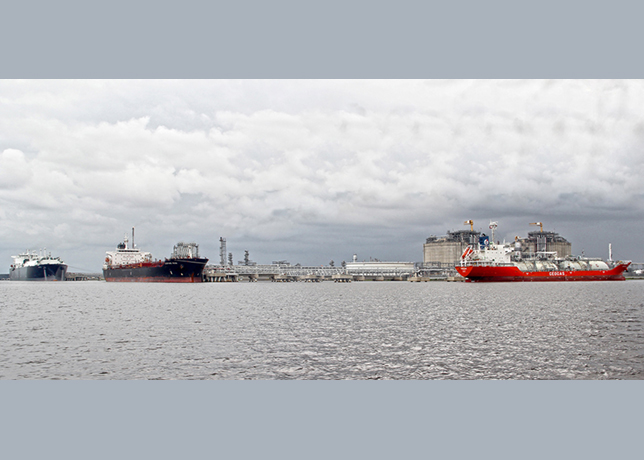
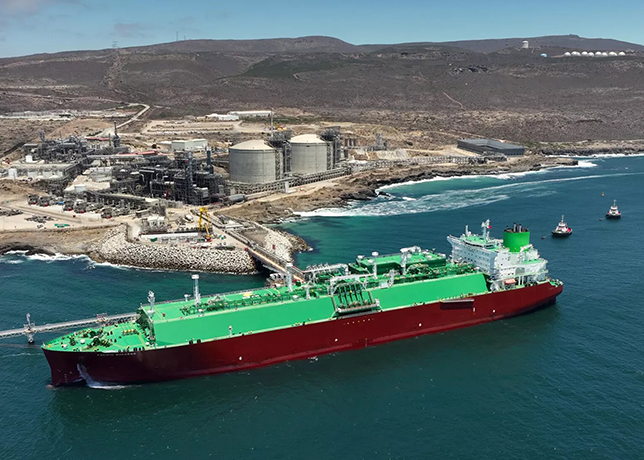
Large-scale developments like the Greater Tortue Ahmeyim (GTA) project in Senegal and Mauritania and EG LNG in Equatorial Guinea demonstrate multi-pronged strategies for workforce training, local procurement, and community investment, generating significant employment and social impact.
Emerging producers such as Mozambique, Namibia, and The Gambia are similarly embedding local content in energy frameworks.
The ministerial boycott highlights a continental commitment to ensuring African-led oil and gas growth, rejecting exclusionary practices and advocating for an inclusive, locally driven industry that supports sustainable development.