






























































 Image by Kodda/ iStock
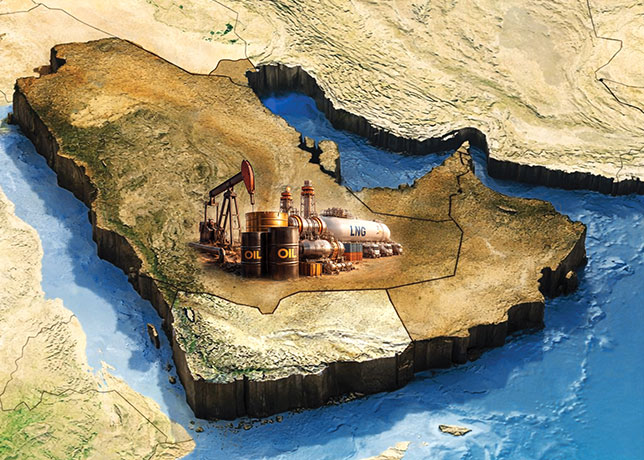
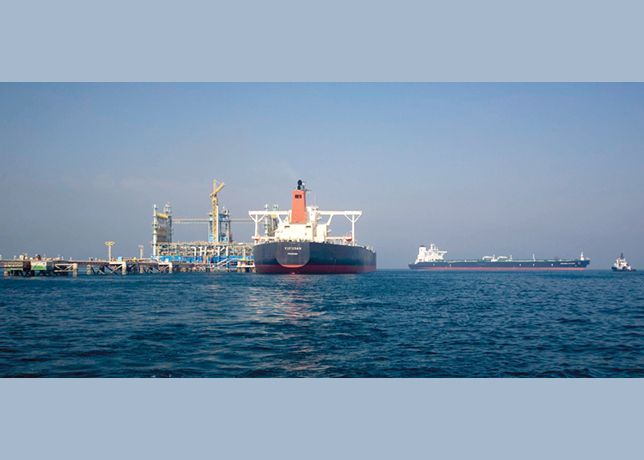
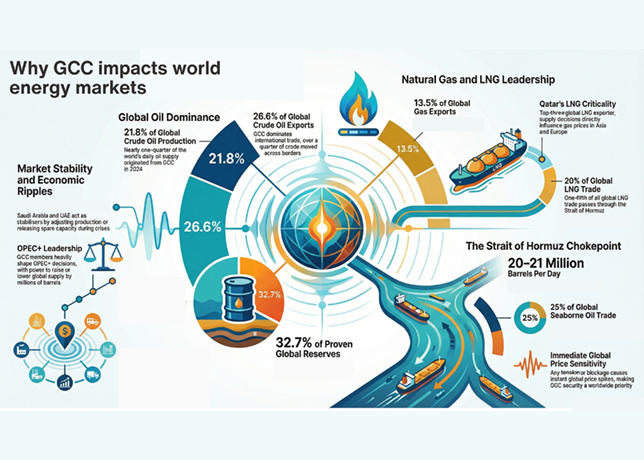
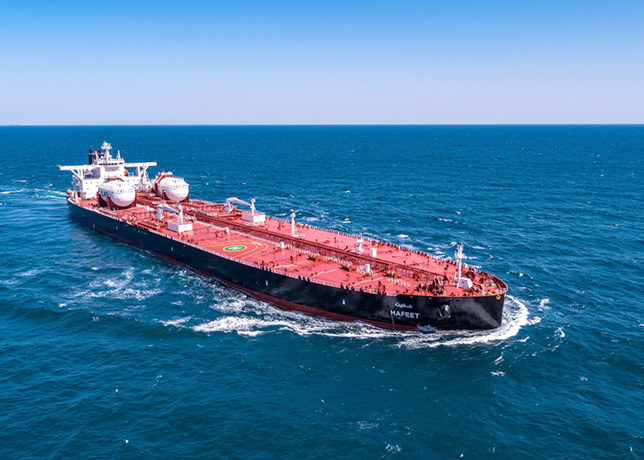
The US-Israeli war with Iran has disrupted shipping through the Strait of Hormuz, the world's most important oil chokepoint, exposing the Middle East's limited alternatives for exporting its hydrocarbons.
The International
Energy Agency (IEA) called it the largest supply disruption on record, bigger
than the oil shocks of the 1970s and the loss of Russian pipeline gas after
Moscow's invasion of Ukraine combined.
These are the existing and possible alternative oil and gas export bypasses of the Strait of Hormuz, reported Reuters:
EXISTING PIPELINES:
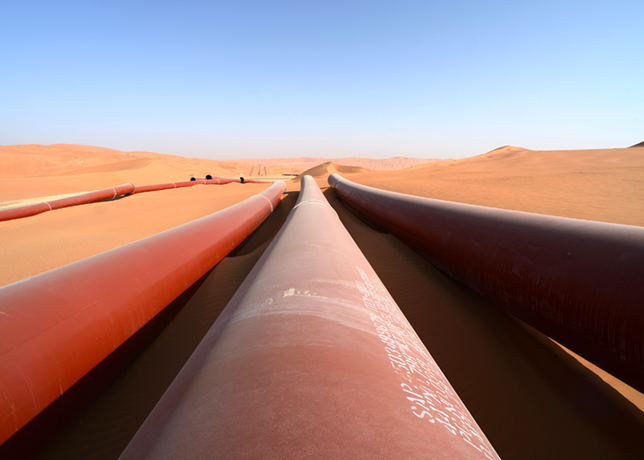
EAST–WEST PIPELINE
(SAUDI ARABIA)
Saudi Arabia's 1,200‑km
East–West pipeline can transport up to 7 million barrels per day (bpd) of crude
to the Red Sea port of Yanbu, with effective exports estimated at around 4.5
million bpd, depending on tanker and jetty availability.
From Yanbu, shipments
can travel to Europe via the Suez Canal or south via the Bab
el-Mandeb strait to reach Asia, a route carrying security risks from Yemen's
Houthi militants, who have attacked tankers during the Gaza war.
HABSHAN–FUJAIRAH
PIPELINE (UAE)
The Abu Dhabi Crude
Oil Pipeline (ADCOP) runs from Abu Dhabi's Habshan onshore fields to Fujairah
on the Gulf of Oman, outside Hormuz. Operated by ADNOC and commissioned in
2012, the 360‑km pipeline has capacity of about 1.5–1.8 million bpd.
Oil loadings at
Fujairah, however, have been affected by drone attacks since the Iran
war started at the end of February.
KIRKUK-CEYHAN PIPELINE
(IRAQ-TURKEY)
Iraq's main northern
export route runs from Kirkuk to Turkey's Mediterranean port of Ceyhan via the
Kurdistan region.
The pipeline restarted last
September after a 2-1/2-year shutdown following an interim deal between
Baghdad and the Kurdistan Regional Government.
On March 17,
Iraq began pumping 170,000 bpd, with plans to reach 250,000 bpd,
after Iraq's national oil company SOMO signed export contracts via Turkey,
Jordan and Syria.
GOREH-JASK PIPELINE
Iran may be able to
utilise the Jask terminal, fed by the 1 million bpd Goreh-Jask pipeline, to
bypass the Strait, the IEA said in its latest oil market report. The
construction of the terminal is not fully complete but a loading from Jask was
tested in 2024, it said.
POSSIBLE ALTERNATIVE
ROUTES:
IRAQ–OMAN PIPELINE
Iraq said last September
it was considering a pipeline from Basra to Oman’s port of Duqm on the Gulf
of Oman.
The project remains at
an early conceptual stage, with routes under study including an overland line
via neighbouring countries or a costly subsea pipeline.
IRAQ–JORDAN PIPELINE
The proposed 1
million bpd pipeline would ship crude from Basra to Jordan's Red Sea
port of Aqaba, bypassing Hormuz.
First proposed in the
1980s and approved in principle in 2022, the project remains stalled by cost,
security and political hurdles.
GULF–SEA OF OMAN CANAL
A canal bypassing
Hormuz - similar to the Suez or Panama Canals -
remains purely conceptual. A project to cut through the
Hajar Mountains toward Fujairah would face extreme engineering challenges and
could cost hundreds of billions of dollars.