































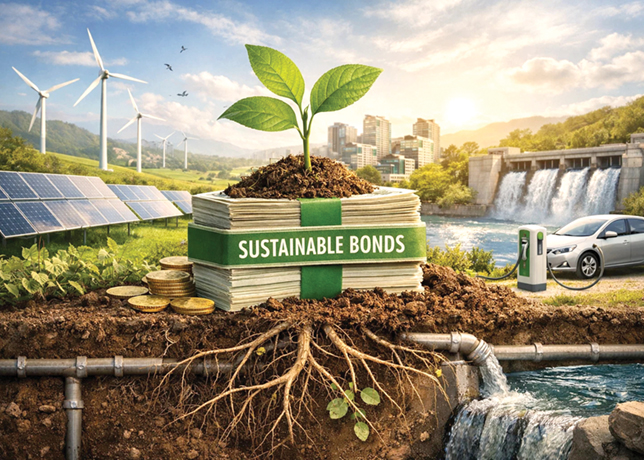
The Middle East defied global trends with a 3pc increase in sustainable bond volumes and record sukuk issuance of $11.4bn, positioning the GCC as the defining growth frontier for sustainable finance in 2026
While sustainable debt markets cooled sharply across most of the world in 2025, the Middle East emerged as a conspicuous outlier, according to S&P Global Ratings’ Sustainable Bonds Outlook 2026: Middle East Issuance Persists.
The region’s labelled bond market grew approximately 3 per cent by volume against a global contraction of 21 per cent, underpinned by robust activity in Saudi Arabia and the UAE, and the sustained expansion of the sustainable sukuk segment.
With S&P projecting regional issuance of between $20 billion and $25 billion in 2026, the Gulf is entering the year not in consolidation mode, but with structural momentum.
Conventional bond issuance across Middle East corporates and financial institutions rose by 10-15 per cent to $81.2 billion in 2025, providing a healthy backdrop.
Sustainable instruments now account for 24 per cent of total regional corporate and financial institution issuance, a share that continues to expand as the labelled market matures and diversifies across instrument types.
The contrast with global trends is stark: Where international markets pulled back, Saudi Arabia and the UAE drove growth that more than offset a significant decline in Turkiye, where sustainable bond issuance fell 50 per cent by volume and 23 per cent by value.
GREEN DOMINATES AS ENERGY TRANSITION ANCHORS PIPELINE
Green bonds remain the dominant instrument across the region, consistent with global conventions but with a distinctly Gulf character shaped by hydrocarbon economies seeking credible decarbonisation pathways.
Renewable energy tops the project category list in labelled issuances across the UAE, Saudi Arabia, and Turkiye, with energy efficiency, green buildings, sustainable water management, and clean transportation also featuring prominently.
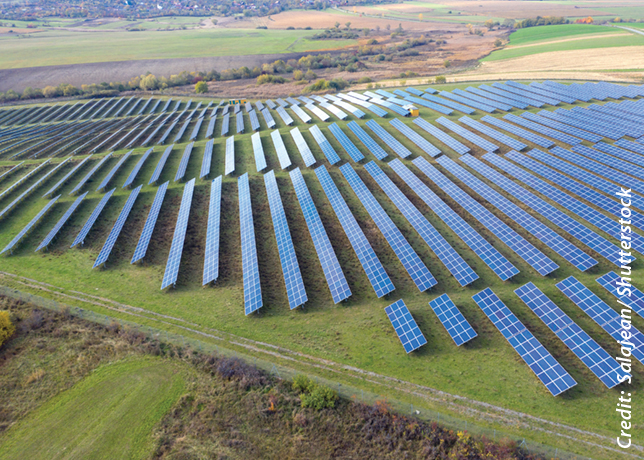
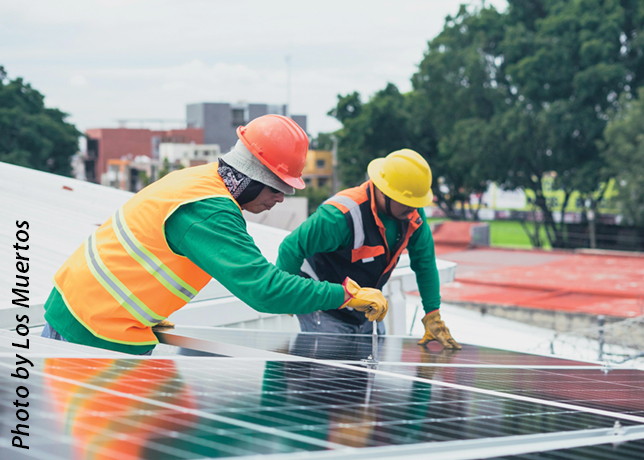
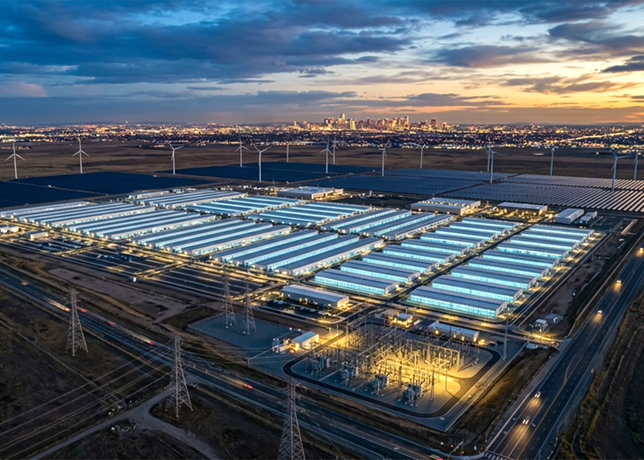
Solar projects are particularly favoured in GCC countries given high levels of solar irradiance, and energy companies, such as Masdar in the UAE are expected to continue issuing green bonds to finance expanding renewable portfolios.
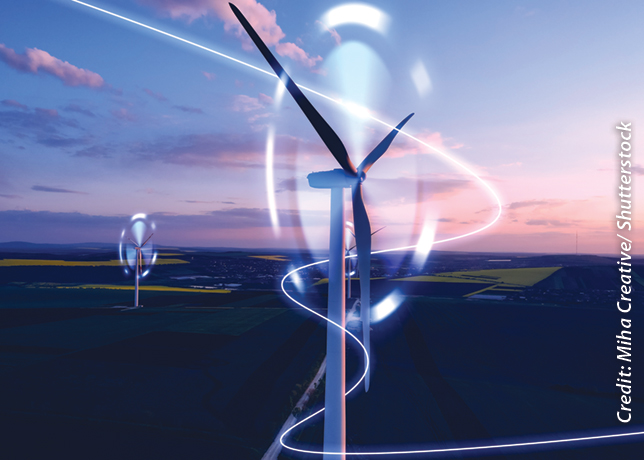
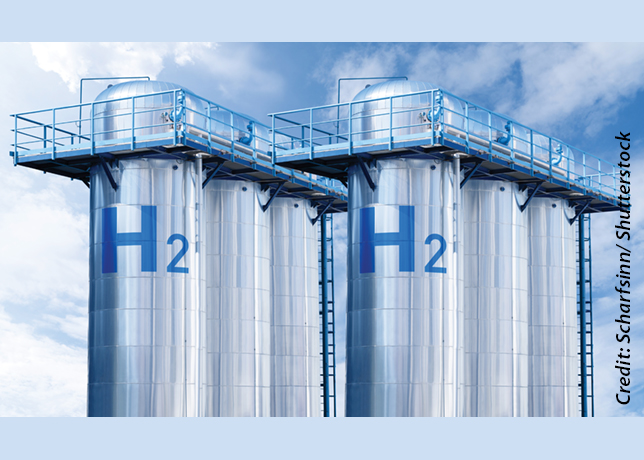
The most strategically significant project on the regional horizon is Saudi Arabia’s planned commissioning in 2026 of what will be the world’s largest utility-scale green hydrogen project in Neom, the Saudi Vision megaproject powered by photovoltaic solar, wind, and energy storage.
Saudi Electricity Company (SEC) issued a $1.25-billion green sukuk in Q1 2025, while the Kingdom itself raised $1.568 billion through a sovereign green bond in the same period, with an additional $786 million green issuance also in Q1.
The Public Investment Fund (PIF) followed with two further green issuances of $987 million and $936 million in Q4 2025.
Saudi Arabia also issued a green bond framework in 2025 that explicitly included climate change adaptation in its use of proceeds, a notable broadening of eligible project categories that S&P expects other issuers to follow, given the region’s pronounced exposure to physical climate risks.
Sustainable sukuk volumes reached a record $11.4 billion in 2025, up from $7.9 billion in 2024, with the instrument now constituting more than 45 per cent of regional sustainable bond issuance by value and more than 40 per cent by number of issuances, compared with 33 per cent and 24 per cent respectively at end-2024.
Saudi Arabia and the UAE continue to lead sukuk issuance, and guidance published by the International Capital Market Association (ICMA) in April 2024 has provided additional transparency to support continued market maturation.
NEW INSTRUMENTS RESHAPE THE LANDSCAPE
The regional market is not homogeneous, and Turkiye, Saudi Arabia, and the UAE account for more than 90 per cent of sustainable bond issuance across the Middle East. However, their market structures differ materially.
The UAE and Saudi Arabia together accounted for 80 per cent of 2025 sustainable bond issuance by value, with bonds the dominant instrument.
Meanwhile, in Turkiye, sustainable loans, and not bonds, drive activity, with the country representing 60-65 per cent of the regional sustainable loan market by value.
Sectors with more challenging decarbonisation pathways, including non-renewable energy, transportation, and chemicals, are more prevalent in the loan market, while renewables and real estate issuers gravitate towards bonds.
Innovation in instrument design is accelerating. The launch of sustainability-linked loan financing bond guidelines in June 2024 has already produced the first SLLB sukuk, issued by Emirates Islamic in 2025.
Blue bonds are gaining traction, particularly in the UAE. The First Abu Dhabi Bank issued the region’s first blue bond by a financial institution in August 2025, and Emirates NBD raised $1 billion through a dual-tranche blue ($300 million) and green ($700 million) issuance in January 2026, financing offshore wind, wetland and mangrove conservation, and flood-resilient infrastructure.
Transition bond labels are also emerging for issuers in the hydrocarbons value chain with credible transition strategies, including methane abatement projects.
On the regulatory side, the Saudi Capital Markets Authority (CMA) published guidelines for issuing labeled debt instruments in April 2025, broadly aligned with ICMA standards, while the UAE’s Federal Decree Law No 11 of 2024 mandates all entities to measure, report, and reduce greenhouse gas emissions by May 2026.
Despite this momentum, S&P identifies persistent funding gaps in climate adaptation and water scarcity finance, areas that remain inadequately served by sustainable debt markets and where private and blended finance may need to play a larger role to close the structural deficit.
By Abdulaziz Khattak