





























































By Abdulaziz Khattak
With data, more is actually merrier, or, at least, it can because increased volumes of data improve statistical confidence, help to smooth out anomalies, and enable more precise decision making.
For decades, however, the amount of data that could realistically be used was constrained by human limitations.
Analysts could only review so much information, and models were bounded by processing power and time.
The emergence and rapid maturation of artificial intelligence (AI) has fundamentally shifted that equation.

David Sheldrake
AI systems can now ingest, process and learn from billions of data points without collapsing under their own weight.
This has transformed data from a static asset into a dynamic engine for insight, prediction and optimisation.
Historically, energy suppliers tended to treat data as a currency to be protected and hoarded because of its perceived intrinsic value.
The logic was simple; the more data you controlled, the stronger your competitive position.
Increasingly, however, the industry is recognising that opening up data, not just to other market participants, but to consumers themselves, can create far greater value.
When handled correctly, greater accessibility to data is not a threat, but a genuine win win.
ADDED INTELLIGENCE
Regulators are playing a key role in this shift. The move towards Market wide Half Hourly Settlements (MHHS), for example, is designed to give consumers much clearer visibility into how much energy they use and when they use it.
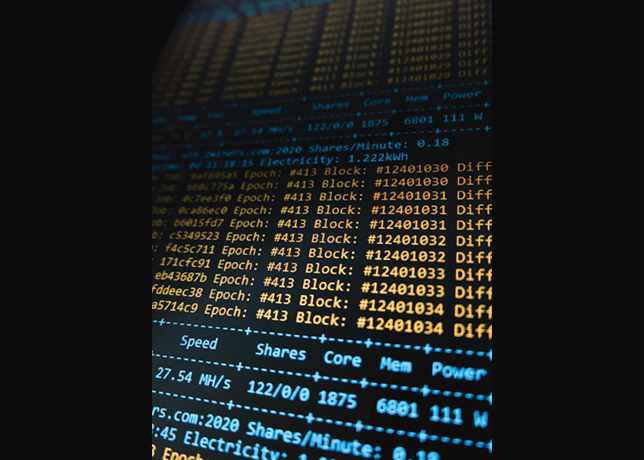
Opening up data must be handled carefully
Rather than being priced on broad assumptions, energy consumption is measured and settled in near real time.
This added intelligence is intended to empower consumers. With clearer insight into their own usage patterns, households and businesses can make informed choices about time of use tariffs and flexible energy deals.
Over time, this behavioural change supports a more balanced and responsive energy system.
From a supplier perspective, the benefits are equally compelling. Improved demand visibility allows energy to be purchased in more precise blocks, aligned closely with actual usage rather than forecast averages.
This reduces imbalance risk and improves grid resilience, as energy generation and consumption are better matched across the day.
EMPOWERING SELF GENERATION & STORAGE
Greater transparency around consumption also makes consumers more likely to take an active role in energy generation.
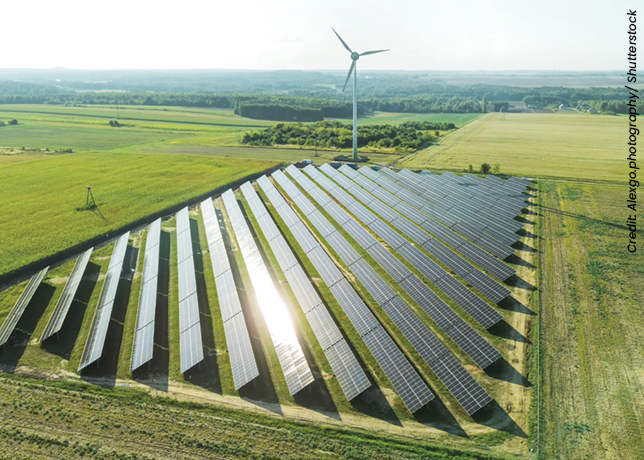
As people understand their own demand patterns, investing in solar panels, home battery storage or other distributed energy resources becomes easier to justify economically.
Enhanced battery technologies are already allowing households to offset grid usage at peak times and rely on stored or self generated energy when prices are highest.
Over time, widespread adoption of these technologies could materially reduce peak demand on the national grid.
This reduction has a knock on effect on costs. Lower peak demand means less reliance on expensive, externally sourced energy and a reduced need for costly infrastructure upgrades.
The result is not only a more resilient system, but one that is cheaper to operate for suppliers and more affordable for consumers.
TURNING DATA INTO ACTIONABLE INSIGHT
Access to data alone, however, is not enough. The true value lies in converting raw data into actionable insight.
Vast datasets have little meaning unless they are analysed, contextualised and translated into clear outcomes that people and organisations can act upon.
In the energy sector, this means moving beyond dashboards and spreadsheets to intelligent insights that guide behaviour.
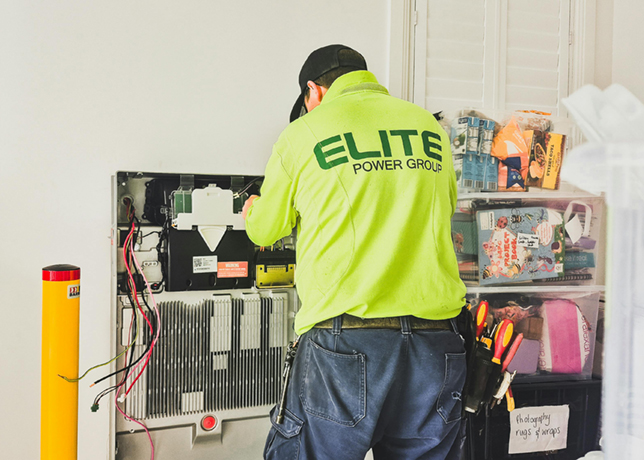
Enhanced battery technologies are allowing households to offset grid usage at peak times
For consumers, actionable insight might be as simple as a notification explaining the cheapest window to run appliances, or a clear comparison showing how switching tariff structures could reduce monthly bills.
The complexity sits behind the scenes; the insight delivered must be simple, timely and relevant.
For suppliers and brokers, the value is more strategic. Analysed correctly, consumption data reveals trends, identifies inefficiencies, and highlights opportunities for new products and services.
It supports better forecasting, more accurate hedging strategies, and targeted customer engagement based on real usage rather than assumptions.
This is where the real economic value of data is unlocked. Raw data has potential value; insight realises it. Without the tools, governance and expertise to extract meaning, organisations risk collecting vast amounts of information that deliver little tangible return.
HOW MUCH VALUE ARE WE REALLY GAINING FROM DATA?
A critical question for the industry is how much genuine value is being gained from increased data availability.
The answer depends entirely on how the data is used.
When data is fragmented, poorly governed or inaccessible to decision makers, its value remains largely theoretical.
Conversely, when data is clean, standardised and shared responsibly, it compounds in value.
Each additional dataset improves predictive accuracy, enhances modelling and supports better outcomes across the system.
Importantly, this value is not limited to commercial benefit. It manifests in improved grid stability, lower system costs and reduced carbon emissions.
For consumers, the value is felt directly through lower bills, better service and greater control over energy choices.
For the industry, it enables resilience and innovation.
DATA CONSENT
Making detailed consumption data available raises an unavoidable question: Consent.
Consumers are already familiar with providing their MPAN or MPR numbers when exploring new tariffs, but those identifiers alone do not reveal personal usage behaviour.
Half hourly consumption data does.
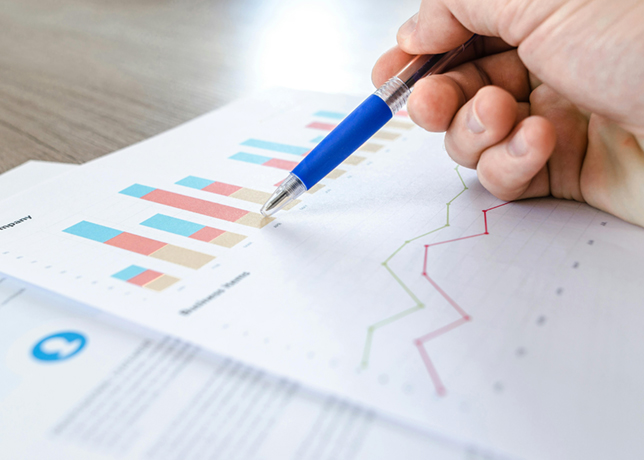
The true value of data lies in converting it into actionable insight
As a result, opening up data must be handled carefully and responsibly.
Data protection regulations such as GDPR rightly loom large, and any misstep risks damaging trust in the industry as a whole.
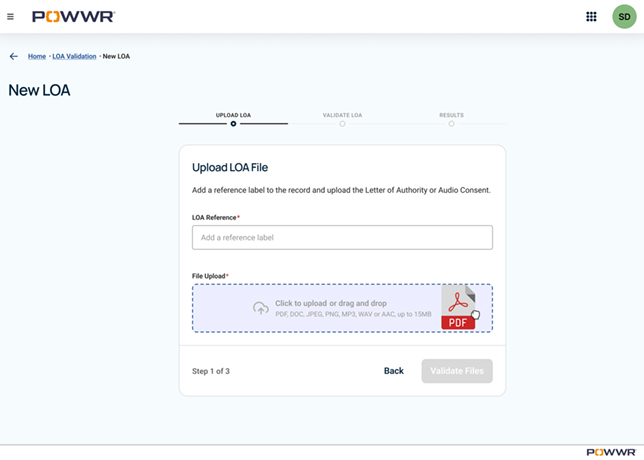
One effective solution is the introduction of a “Consent Wallet”.
This would allow customers to securely control who can access their data and for what purpose.
Whether a consumer wants to review their own usage, share it with a broker, or use it on a comparison website, consent would be explicit, traceable and revocable.
The banking sector has already demonstrated the benefits of this approach through open banking.
Encouragingly, regulators are exploring similar frameworks for energy through updates to the Retail Energy Code (RECC).
If implemented well, consent wallets can simplify the customer journey while protecting all parties involved.
A FINE LINE TO TREAD
Of course, enabling secure, consent driven data sharing requires robust technology infrastructure.
Systems must be resilient, interoperable and secure, allowing access on demand without compromising privacy.
There is also a significant education challenge.
Consumers need to understand not only that their data can be shared, but why consent matters and how it benefits them.
This will not happen overnight.
Even today, a substantial proportion of consumers have yet to adopt smart meters despite years of awareness campaigns.
Nonetheless, education is preferable to making detailed personal data freely available without consent.
While that approach might simplify certain processes, it would almost certainly breach data protection regulations and undermine public trust.
That is a compromise the industry cannot afford to make.
RICHER INSIGHTS
As long as data quality is maintained, more data will almost always result in richer, more accurate insights.
Encouraging responsible data sharing multiplies its value across the entire ecosystem.
It helps consumers find better tariffs, enables brokers to deliver deeper insight, and supports suppliers in managing an increasingly complex grid.
Ultimately, this is about more than efficiency or innovation.
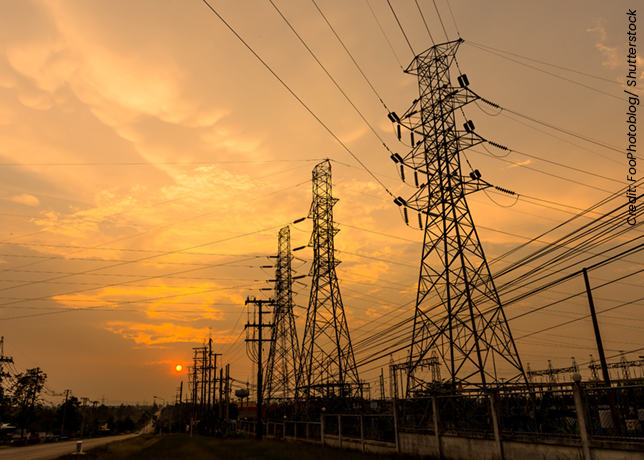
The end goal is a resilient national energy infrastructure that is less vulnerable to external shocks and better equipped to support future demand.
Opening up data – ethically, securely and intelligently – is a crucial step toward that future.
At a time when energy costs are under intense pressure, empowering consumers while strengthening the system as a whole is not just desirable; it is essential.