
































The company is transitioning into a diversified global energy conglomerate by integrating international downstream assets and deploying advanced industrial artificial intelligence across its entire production value chain
The Abu Dhabi National Oil Company (ADNOC) has successfully transitioned from a traditional upstream producer into a vertically integrated global energy conglomerate, a shift that provides significant commercial and strategic insulation amidst the current US-Iran conflict.
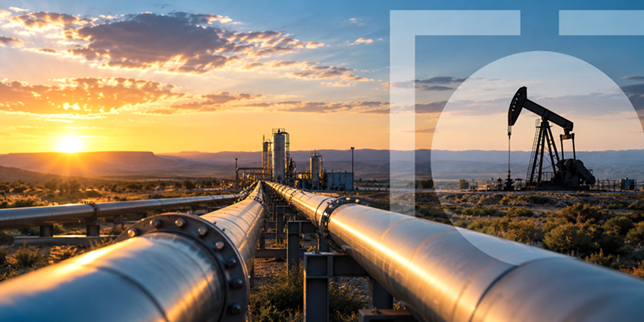
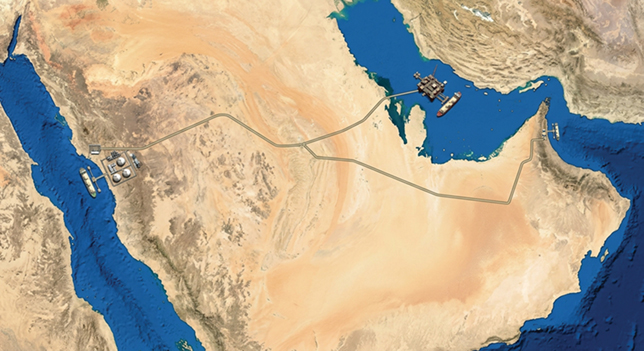
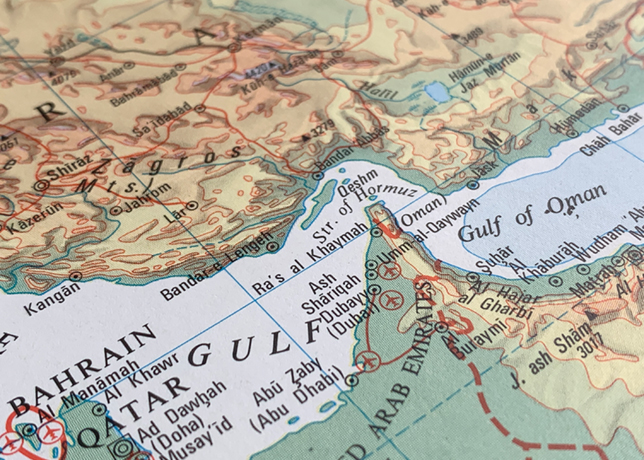
As regional maritime stability faces pressure, ADNOC’s integrated infrastructure, most notably the 1.5 million barrel per day (bpd) Habshan-Fujairah pipeline, serves as a critical hedge, allowing the group to bypass the Strait of Hormuz and maintain uninterrupted deliveries to international markets.
This operational resilience is matched by a $150-billion 2026-30 capital expenditure plan designed to capture value across the entire energy chain, from high-margin gas production to international chemicals.
A central pillar of this diversification is the March 2026 consolidation of Borouge and Borealis under the XRG investment vehicle, a move that establishes ADNOC as the fourth-largest polyolefins producer globally with an enterprise value exceeding $150 billion.
By centralising these international downstream assets, the group has effectively transformed its revenue model, ensuring that Abu Dhabi’s hydrocarbon reserves are monetised deep into the global manufacturing sector.
This financial framework is further bolstered by the performance of ADNOC Gas and ADNOC Logistics and Services (ADNOC L&S), which together target $43 billion in dividend distributions through the end of the decade.
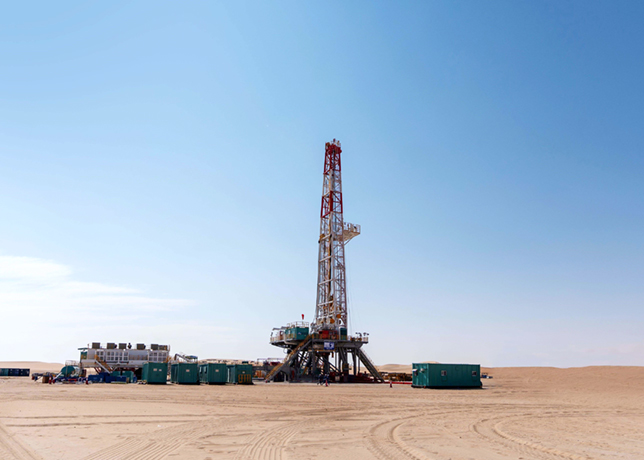
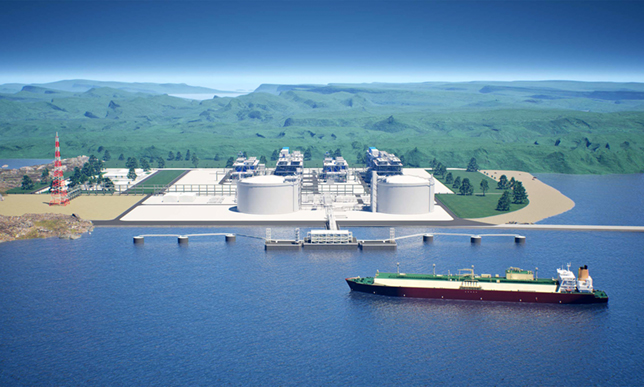
These returns support the massive infrastructure requirements of the Hail and Ghasha net-zero gas projects, which are essential for domestic gas self-sufficiency and the expansion of the UAE’s liquefied natural gas (LNG) export capacity.
The Ghasha development, in particular, is engineered to operate with a net-zero carbon footprint from inception by integrating advanced carbon capture and sequestration technologies.
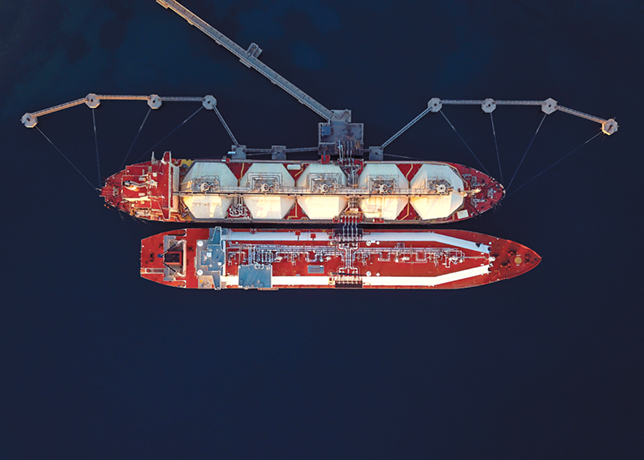
This end-to-end control, managed by the maritime and logistics arm ADNOC L&S, ensures that the group retains full oversight of product delivery, reinforcing the UAE’s status as a reliable energy partner despite the prevailing geopolitical sensitivities in the Middle East.
AI INTEGRATION & OPERATIONAL EFFICIENCY DATA
The deployment of the ENERGYai platform across ADNOC’s upstream and downstream operations has transitioned from a pilot phase to a core driver of institutional margin improvement.
In the preceding fiscal year, artificial intelligence (AI) and machine learning (ML) solutions generated approximately $500 million in quantifiable value by optimising drilling parameters and reducing unplanned maintenance cycles across the group’s ageing assets.
The Al Ruwais refinery complex has seen a significant reduction in energy intensity through the application of predictive analytics, which adjusts process heaters in real-time based on ambient temperature and feedstock quality.
This technical evolution is most visible in the SARB Deep Gas Development, where the Final Investment Decision reached in January 2026 paving the way for a facility designed entirely around remote operations and digital twin technology.
By utilising the AramcoMetaBrain model and localised industrial AI variants, ADNOC engineers can simulate reservoir behaviour with unprecedented precision, allowing for a 15 per cent increase in recovery rates from complex carbonate structures.
The integration of these technologies is not merely a matter of operational convenience but a financial necessity as the group seeks to maintain its status as one of the world’s lowest-cost producers.
While ADNOC maintains some of the world’s lowest financial lifting costs, the transition toward hyper-low carbon intensity (measured in kgCO2e/boe) demands a level of high-frequency, granular data analytics that legacy supervisory control systems are unable to support.
ADNOC has maintained an upstream carbon intensity of 7 kgCO2e/boe. For context, the global industry average typically ranges between 15 and 22 kgCO2e/boe, placing ADNOC in the ‘top tier’ of low-intensity producers.
At the Shah gas plant, the application of AI-driven leak detection and repair protocols has contributed to a record-breaking methane intensity of 0.1 kgCO2e/boe, placing the facility at the vanguard of global environmental performance metrics.
Furthermore, the use of autonomous drones for pipeline inspection has reduced the need for manned helicopter sorties, lowering both operational expenditure and the overall safety risk profile of the midstream sector.
The financial markets have responded to this digital transformation with increased confidence, as evidenced by the oversubscription of recent bond issuances earmarked for technology upgrades.
Investors increasingly view ADNOC not as a traditional national oil company but as a "Tech-Oil" entity capable of delivering silicon-valley-style efficiency gains within a heavy industrial context.
The data generated by these systems is now being fed back into the XRG investment arm to inform future chemical plant designs, ensuring that every new asset added to the global portfolio is "digital-native" from the day of commissioning.
This feedback loop between operational data and capital expenditure is a defining characteristic of the group’s 2026 strategy, allowing for the rapid scaling of successful innovations across multiple continents and disparate asset classes.
DECARBONISATION TARGETS & HYDROGEN ECONOMY
ADNOC has accelerated its timeline for reaching net-zero operational emissions to 2045, making it the first of its regional peers to commit to such an accelerated schedule.
This target is supported by a multi-pillar strategy that prioritises large-scale carbon capture and storage (CCS) alongside the development of a regional hydrogen hub.
The Habshan CCS project, one of the largest in the Middle East, is currently being expanded to increase its capacity to 5 million tonnes of CO2 per annum by 2030.
This captured carbon is primarily utilised for enhanced oil recovery in mature fields, thereby sequestering the gas while simultaneously boosting production efficiency.
The move toward a hydrogen-based economy is evidenced by the construction of a world-scale blue ammonia production facility in Ruwais, which leverages the group’s existing gas processing infrastructure and CCS capabilities.
By converting natural gas into hydrogen and capturing the associated CO2, ADNOC is positioning itself to supply the growing demand for low-carbon fuels in the maritime and power generation sectors.
The recent partnership with Japanese and Korean utilities for the long-term supply of blue ammonia underscores the commercial viability of this pathway.
These agreements are structured around 15-year terms, providing the price certainty required to de-risk the massive capital outlays associated with hydrogen liquefaction and transport.
In tandem with these industrial shifts, ADNOC is also investing in direct air capture (DAC) technologies through pilot projects that seek to prove the scalability of atmospheric carbon removal in arid environments.
While still in the early stages of commercialisation, DAC is viewed as a critical tool for addressing hard-to-abate emissions within the group’s international shipping fleet.
The expansion of the Al Reyadah carbon capture network to include third-party industrial emitters in the country further demonstrates ADNOC’s role as a regional anchor for decarbonisation infrastructure.
By providing a centralised CO2 transport and storage service, the group enables other heavy industries, such as cement and steel manufacturing, to reduce their environmental footprints in line with national climate objectives.
This holistic approach to carbon management is integrated into the group’s broader financial reporting, with green financing frameworks now linked to specific emission reduction milestones.
The transparency provided by these frameworks has allowed ADNOC to tap into a broader pool of ESG-focused capital, which was previously hesitant to engage with the hydrocarbon sector.
As the energy transition progresses, the ability to produce "lower-carbon" oil and gas will become a significant competitive advantage, as carbon border adjustment mechanisms in major markets like the European Union (EU) begin to penalise high-intensity imports.
ADNOC’s focus on maintaining a low-carbon intensity per barrel is, therefore, a strategic hedge against future regulatory shifts and evolving consumer preferences.
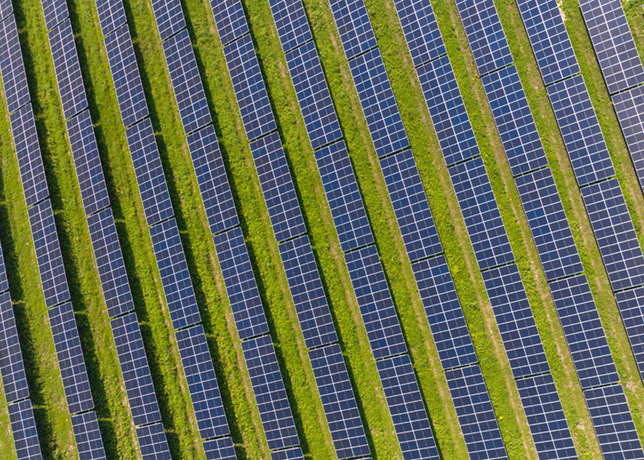
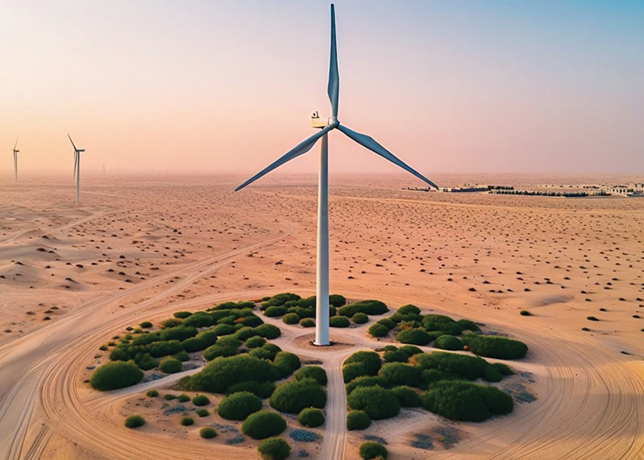
The integration of renewable energy into the group’s power mix, primarily through the supply of nuclear and solar energy from the national grid, has already eliminated a substantial portion of Scope 2 emissions.
This transition to clean power for onshore operations allows the group to reserve its natural gas for high-value exports and as a feedstock for the expanding petrochemical sector.
The synergy between traditional hydrocarbon extraction and modern environmental engineering is the cornerstone of the ADNOC 2026 outlook, ensuring that the company remains relevant in a world increasingly defined by the dual demand for energy security and climate action.
The scale of the Hail and Ghasha projects, combined with the global reach of XRG and the technical sophistication of the ENERGYai platform, represents a comprehensive retooling of the Abu Dhabi energy model for the mid-21st century.
As these projects move from construction into full-scale operation, the resulting data will likely set new benchmarks for the global industry in terms of both profitability and environmental stewardship.
The group’s ability to execute this complex, multi-front strategy will be the primary metric by which its leadership is judged in the coming years.
By Abdulaziz Khattak