

















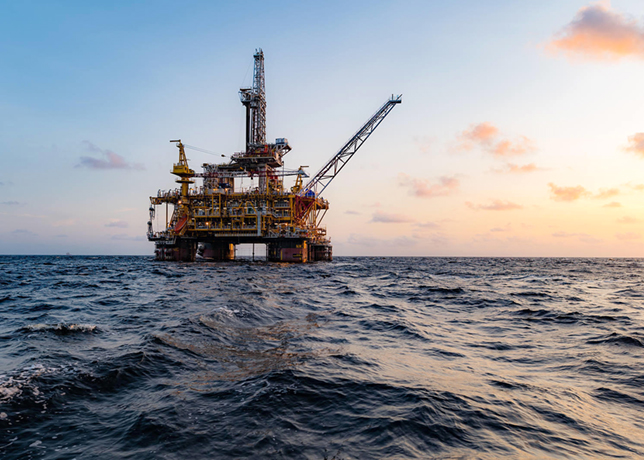



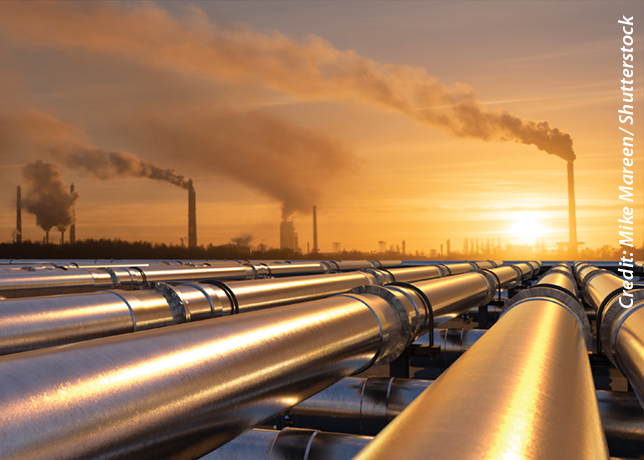















Abu Dhabi signed an implementation agreement to build a $5 billion refinery that will double Pakistan’s refining capacity.
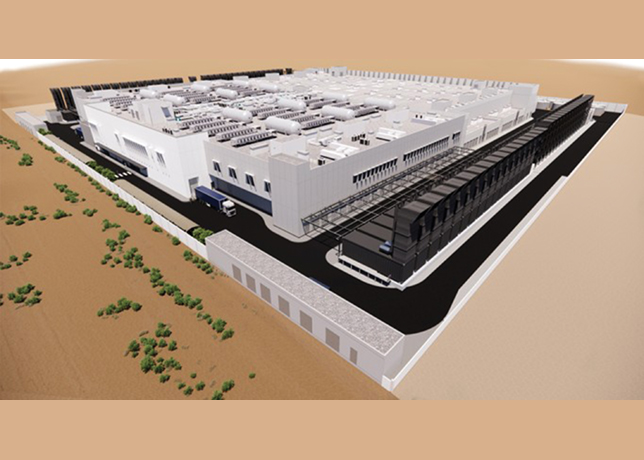
Under the deal between Abu Dhabi’s International Petroleum Investment Company (IPIC) and Pak-Arab Refinery, the project will be built at Khalifa Point in the Hub district of Baluchistan province, about 15 km west of the port city of Karachi.
The Khalifa Coastal Refinery Project will have a refining capacity of between 200,000 to 300,000 barrels per day of middle distillate products.
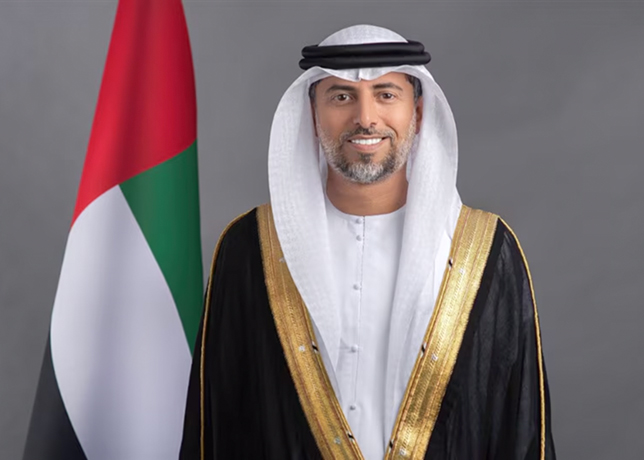
“It will be a large refinery to meet domestic needs and cater to the export market,” said a top Pakistani official, who witnessed the agreement signing with UAE Energy Minister Mohammed bin Dhaen Al Hamli in Islamabad.
Abu Dhabi has a 40 per cent stake in the Pak-Arab Refinery at Mehmood Kot in the central province of Punjab.
IPIC, possibly with other UAE government institutions or companies, will hold an initial 74 stake in the Khalifa project, with Pak-Arab Refinery holding the remaining 26 percent stake.
Pakistan, almost totally dependent on oil imports, has an installed refining capacity of 12.82 million tonnes a year (just over 250,000 bpd) from its five refineries.
Pakistan consumes about 15 million tonnes of oil products annually.
The official also said Pakistan’s economy, which has been averaging seven per cent growth annually for the past four years, needed energy and fuel to sustain its growth momentum.
Pakistan’s annual energy requirements are expected to surge to 177 million tonnes of oil equivalent by the year 2020 from current needs of about 58 million tonnes.
The Khalifa refinery is expected to be commissioned by December 2012.
The Pakistan government has announced various concessions for the project that includes 20 years tax-free status and up to 1,000 acres free of cost land.
Upon completion of the project, Khalifa Point area will develop in a new city with all civic amenities and related infrastructure.
The development of port infrastructure in the form of Single Point Mooring at Khalifa Point will handle additional petroleum products in the country and will provide 1.4 million tonnes of additional POL storage capacity.
The project will generate employment for 10,000 people during construction phase and direct employment for 1,000 people and indirect for more than 3,000 during the operation phase.
In another development, Pakistan recently granted a petroleum exploration license to Hydcarbex Energy of the US to look for oil and gas in Dadu and Nawabshah districts, of Sindh.
The US firm would invest $6.30 million for exploration in the block. That money would be used to carry out geo/technical studies, acquisition, processing and drilling three exploratory wells during next three years.


