

















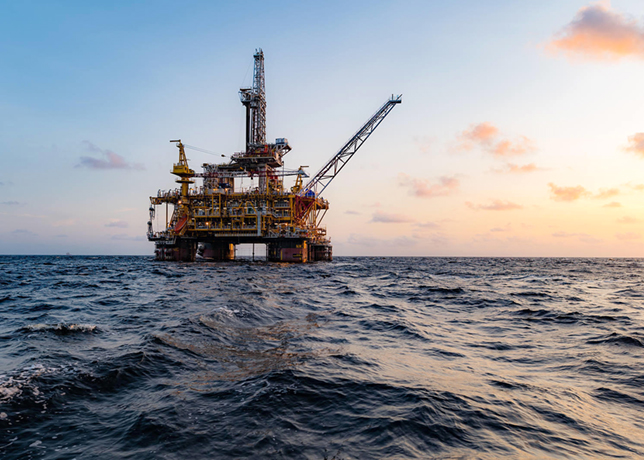



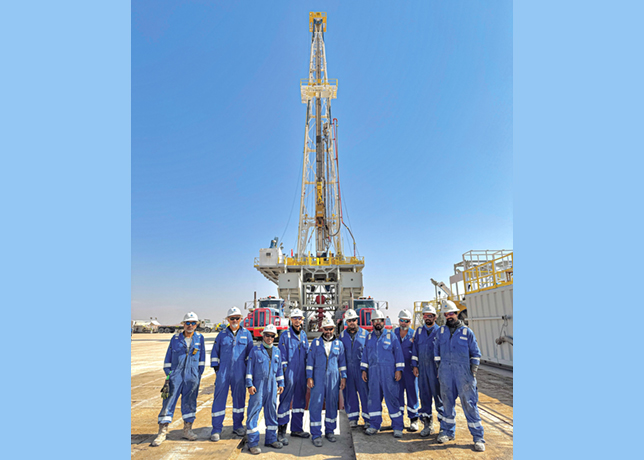













The UAE is planning three weeks of annual maintenance at its offshore 280,000 barrels per day (bpd) Lower Zakum oilfield in October 2008, a source at the field operating company said.
The UAE is the world’s fifth-largest oil exporter. Lower Zakum accounts for just over 10 per cent of output, which stood at 2.57 million bpd of oil in October, according to a survey.
“This work is initially scheduled for October next year, for three weeks,” the source at the Abu Dhabi Marine Operating Company (Adma-Opco) said, declining to say how much output would be affected.
Lower Zakum was completely shut down as part of scheduled maintenance that took place in November.
The work at the field finished in early December, the source said, declining also to say how much oil Lower Zakum was now pumping. Maintenance at Lower Zakum, Upper Zakum and Umm Shaif fields cut the UAE’s November output by an average of 600,000 bpd.
Adma-Opco is 60 per cent owned by the state-run Abu Dhabi National Oil Company (Adnoc).
BP, Total and the Japanese Oil Development Company also own stakes.
Sources, meanwhile, said Royal Dutch Shell and Los Angeles-based Occidental Petroleum are the final contenders for a $10-billion project to develop sour gas reserves in Abu Dhabi.
The pair make the final shortlist of bidders drawn up by Adnoc, people familiar with the situation said.
Sour gas
Adnoc, which produces almost all the oil in the UAE, is expected to award the country’s largest-ever non-associated gas development soon.
The successful bidder for the contract will enter into a joint venture with Adnoc to help it develop Abu Dhabi’s Shah field, which contains large reserves of very high-sulfur and corrosive gas.
Sour gas is more costly and challenging to process because its corrosive nature requires special handling and infrastructure.
Shell and Occidental are left in the race after Adnoc left ExxonMobil and ConocoPhillips off the final shortlist.
Abu Dhabi last year decided to move ahead with the development of its sour resources gas as high oil prices have made the project commercially viable.
New industries
The estimated $10 billion programme is crucial to meet fast-rising gas requirements in the UAE, driven by a rapidly growing population, the addition of new gas-fired power and desalination plants, and the development of new industries with high gas requirements, such as aluminum and petrochemicals.
Abu Dhabi has more than 200 trillion cu ft of gas reserves, the fifth largest in the world, a large portion of which are sour.


