





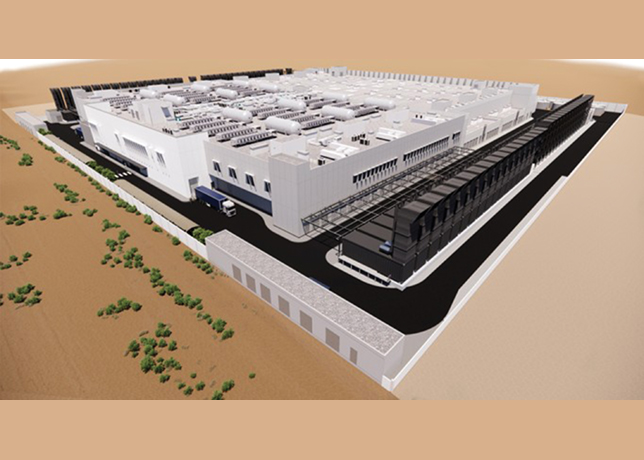














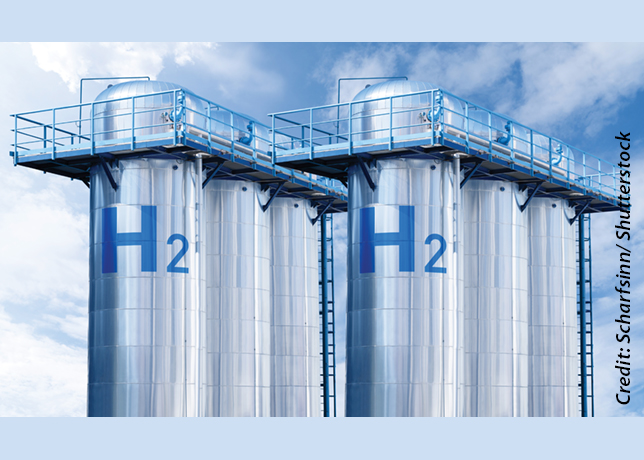















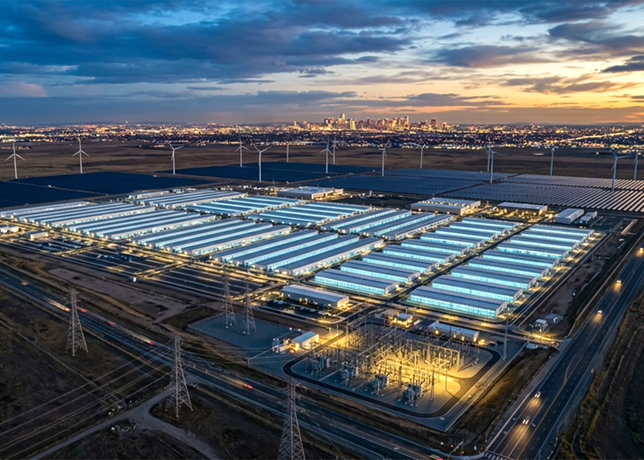



The Dubai Multi Commodities Centre is considering plans to build a world-scale oil storage facility at Dubai’s Jebel Ali port to store up to 570,000 cu m of diesel and fuel oil but has dropped plans to build an LNG storage hub in Jebel Ali, an industry source said.
The source said that DMCC, a commodities exchange, was discussing the oil storage project with potential partners and had already identified land area for the project.
It has also decided to look at the possibility of building a storage facility for LNG in the emirate of Fujairah, outside the Arabian Gulf, rather than in Jebel Ali, the source said.
The port of Jebel Ali is one the world’s biggest container terminals and already a center for storage of gasoline and jet fuel.
The source said, however, that the volumes were all committed and there was no other storage facility in the Middle East to cater to the growth in demand.
“There is great interest,” said the source, referring to ongoing work to expand Jebel Ali port and anticipated demand from a massive airport under construction near the port.
The port of Jebel Ali, operated by DP World, is undergoing a 15-stage expansion project to 2030 while nearby, construction has begun on Dubai World Central, a massive airport city and aviation hub with an airport that will eventually have the capacity to handle 100 million passengers.
“Dubai needs it. You have DP World and the new airport city,” said the source of the planned oil storage project.
Dubai’s Emirates General Petroleum Corp. with partners BP, Shell and Trafigura operate jet fuel and gasoline storage facilities in Jebel Ali from where they are aiming to supply over half of the jet fuel needs of the expanding aviation industry and meet growing demand for gasoline in Iran and the rest of the Middle East.
The International Energy Agency estimates that the Middle East is the fastest growing region for oil demand after Asia with the GCC countries and Iran accounting for the bulk of demand, which grew by an average six per cent between 2005 and 2006.
So far, most of the oil storage projects have focused on Fujairah, one of the seven emirates that make up the UAE federation.
Fujairah is already one of the world’s top bunkering centers and has the strategic advantage of being outside the Strait of Hormuz at the mouth of the Gulf.
Petrofac plans to build a one-million cubic meters oil storage facility at Fujairah while another consortium is mulling a separate project for storing between 500,000 and one million cu m of refined products.
The source said it made sense to have a storage facility in Dubai itself, one of the fastest growing cities in the world.
“The port is expanding and if you are a vessel in Jebel Ali, you would not want to make a second stop to fill up in Fujairah.”
The DMCC, which last year launched a fuel oil futures contract, had an agreement with the UAE’s Techno Park and LNG Impel of Canada to build the world’s first LNG storage facility at Dubai’s Jebel Ali at a cost of $1 billion. But the source said this was now likely to be built in Fujairah instead.
“Discussions continue with various parties...A breakthrough is expected in one or two months for confirmation on the site. It (the project) won’t work in Dubai. It has to be outside the Strait of Hormuz,” said the source.
The plan, as announced by DMCC last August, aims to create an LNG storage hub that would be the first of its kind in the world with total storage capacity of 40-65 Bcf.
Fujairah has become a focus of attention in recent months as the proposed site of a possible new refinery as well as an oil export hub that would offer direct access to markets by bypassing the Arabian Gulf.
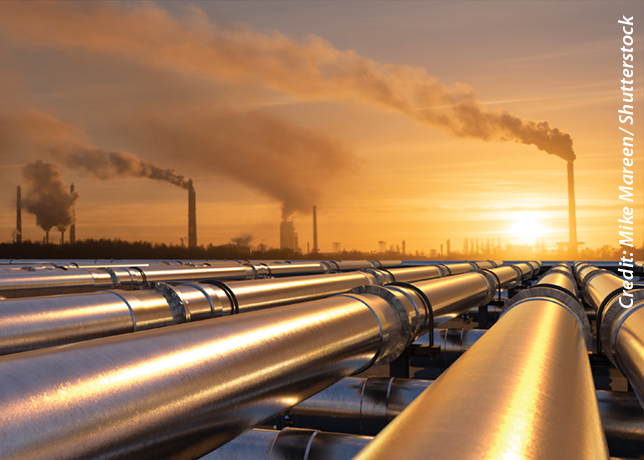
International Petroleum Investment Company, the oil investment arm of Abu Dhabi, is planning to build a crude pipeline from the Habshan oil field in the UAE capital to Fujairah.
Construction of the 350-km pipeline is scheduled to start soon and, when fully operational, is expected to carry some 1.5 million b/d of crude, or around 60 per cent of the UAE’s total crude exports.
Though the pipeline has been planned for some time, the decision by IPIC to proceed with the project by awarding a service contract in March this year was interpreted by analysts as linked to rising tensions in the region.


