



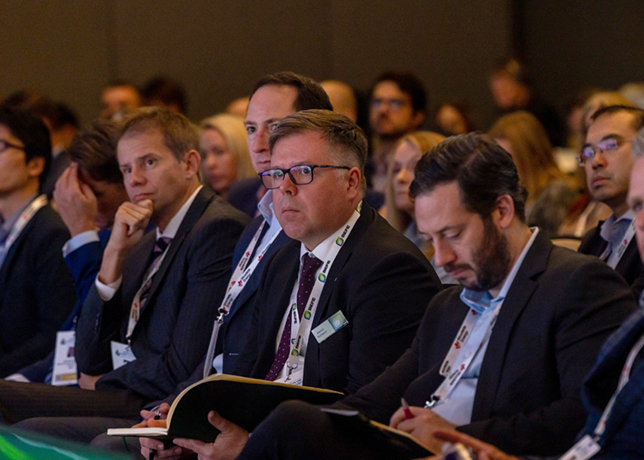
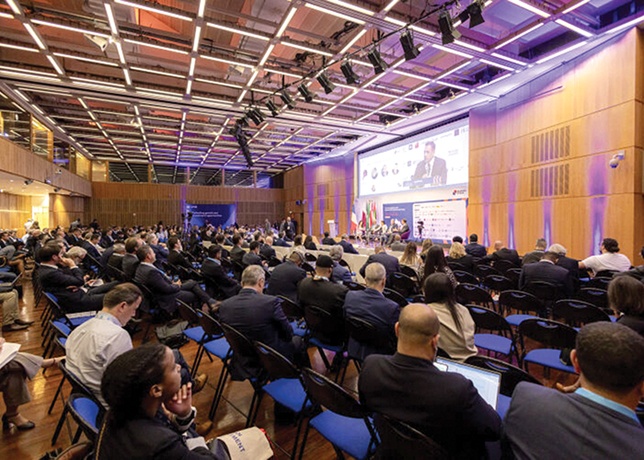









KNOWN as the ‘Davos of Renewable Energy’, Abu Dhabi’s World Future Energy Summit (WFES) has become the must-attend event for those wanting to play a role in the future of the industry.
WFES is thus a unique international platform for the development and commercialisation of renewable energy and the foremost annual meeting of world leaders, investors, policy makers, researchers, financial institutions and experts dedicated to renewable energy and the environment.
The summit’s fourth edition, WFES 2011, which will be held at the Abu Dhabi National Exhibition Centre (Adnec), UAE, from January 17 to 20, 2011, has evoked tremendous response with the majority of exhibition space being sold out months in advance. Hosted by Masdar, WFES promotes innovation and investment opportunities surrounding renewable energy and environment. In 2011, the theme of World Future Energy Summit will be Enabling Future Energy Solutions.
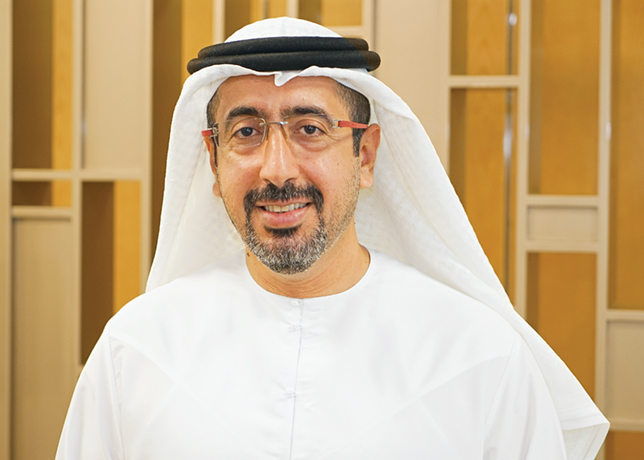
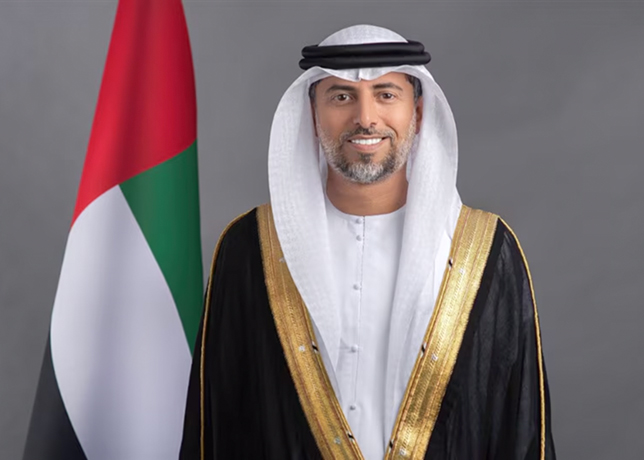
“WFES exemplifies Abu Dhabi’s commitment to providing a platform for the world’s energy industry to come together and help facilitate the search for viable, commercial solutions that address today’s energy challenges,” says Masdar CEO, Dr Sultan Ahmed Al Jaber.
The World Future Energy Exhibition 2011 will host 600 leading players in the production, installation and integration of products in the renewable energy value chain.
 |
|
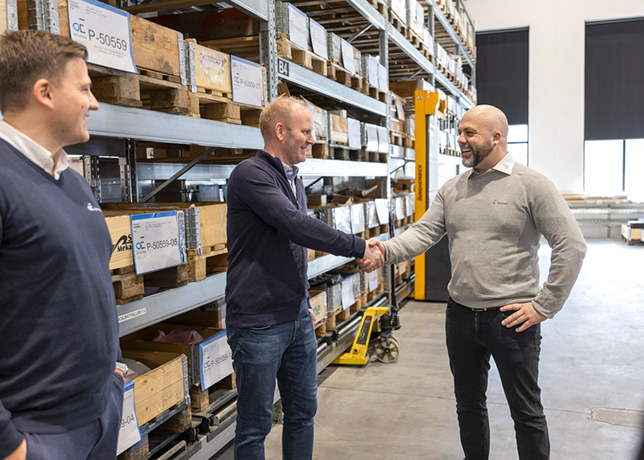
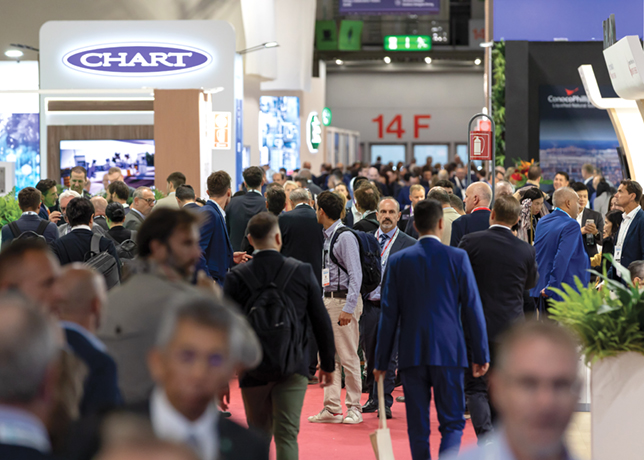
A view of the WFES 2010 exhibition |
The best and most innovative technologies from the world of energy will be on show at WFES 2011. Bellwethers, growth companies and start ups will come together to promote existing climate change technologies, the latest innovations and inspiring research and development projects.
Total, BP Solar, Bloomberg New Energy Finance, Vestas, Suntech Solar, Deutsche Bank, Energinet, Global Wind Energy Council, Siemens, Areva Solar, ExxonMobil, Accenture, Toyota and Daimler are amongst those confirmed to take part in the four-day Summit and Exhibition.
WFES was inaugurated in January 2008. Moving on, in 2010, WFES uniquely brought together over 24,760 attendees from 148 countries including world leaders, international policy makers, industry leaders, investors, experts, academia, intellectuals and journalists to find practical and sustainable solutions for today’s energy security and climate change challenges.
WFES represents an unrivalled business platform bringing together project owners and solution providers with investors and buyers from both the public and private sectors.
WFES includes a world-class summit, two exhibitions, young future energy leaders program, round table discussions, industry and investment seminars, corporate meetings and social events.
Held under the patronage of Sheikh Mohammed bin Zayed Al Nahyan, the Crown Prince of Abu Dhabi and the Deputy Supreme Commander of the UAE Armed Forces, WFES is hosted by Masdar and owned by Reed Exhibitions, which is the world’s leading events organiser, with over 470 events in 37 countries.
“It is important that world experts have a platform to address the most pertinent issues affecting the future of energy globally, and to discuss the needs of the public and private sectors in overcoming these challenges,” says Frederic Theux, president, Reed Exhibitions.
WFES provides a unique opportunity for world leaders and renewable energy experts to move forward with an integrated and collaborative approach. WFES is the only event that enables policy creators and business decision makers to come together to find solutions to the world’s energy challenges, he says.
A comprehensive conference programme featuring more global leaders and CEOs than any other future energy event means WFES is a ‘must’ to attend for members of the international energy and environment industries, he says.
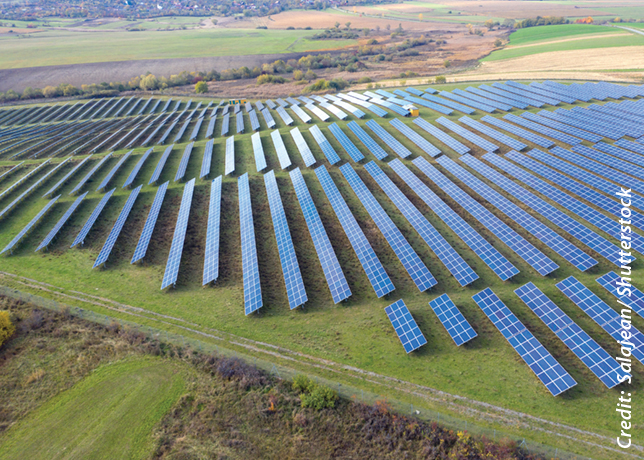
The summit hosts a number of leading players in the production, installation and integration of products in the global photo-voltaic (PV) value chain.
The best and most innovative technologies from the world of solar energy will be on show at WFES 2011. Past exhibitors include Q-cells (Germany), Suntech (China), Sharp (Japan), JA Solar Holdings (China), Kyocera (Japan), Yingli (China), SunPower (US) and Sanyo (Japan).
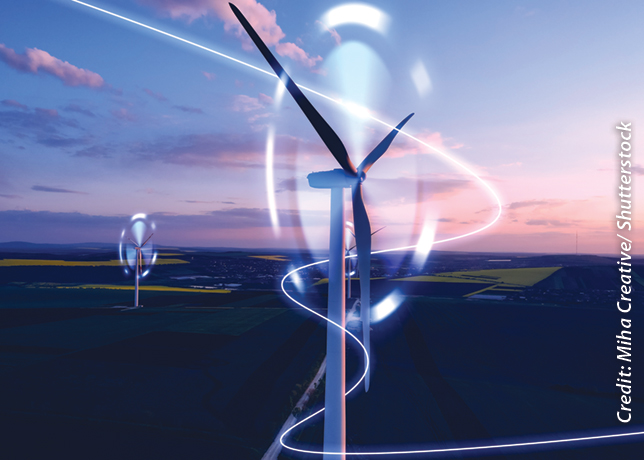
On the other hand, the deployment of wind energy is one the most important global reactions to the mitigation of climate change.
Amongst the many wind exhibitors to take part at the WFES 2010 were industry leaders such as Vestas (Denmark), GE Energy (USA), Siemens (Germany), Acciona (Spain) and REpower (Germany)
“The continued rapid growth of wind power despite the financial crisis and economic downturn is testament to the inherent attractiveness of the technology, which is clean, reliable and quick to install. Wind power has become the power technology of choice in a growing number of countries around the world,” says Steve Sawyer, Global Wind Energy Council (GWEC) Secretary General.
The geothermal energy industry too is a key player in today’s global market and is currently experiencing exponential growth throughout the industry.
Geothermal power is cost effective, reliable and sustainable but has historically been limited to areas near tectonic plate boundaries.
Recent technological advances have dramatically expanded the range and size of viable resources, especially for applications such as home heating, opening a potential for widespread exploitation.
Hydropower accounts for 20 per cent of the world’s total electricity generation and is the main energy source for more than 30 countries.
The estimated cost of hydropower at existing dams is said to be $0.01 to $0.10 per kilowatt-hour (kWh) and the levelised cost of new small and micro hydropower to be between $0.06 and $0.14 per kWh, making incremental hydropower the least expensive option for new energy generation and new hydropower (roughly on par with new wind and biopower).
Currently, 808,000 megawatts of hydropower generation capacity are in operation or under construction around the world.
The first hydropower facility was built in 1879 in Niagara Falls and today hydropower is one of the most valuable renewable energy sources worldwide due its low cost, near-zero emissions.
Central and South America currently generate nearly 70 per cent of their electricity from hydropower, and many countries, including Canada and Brazil, rely on hydropower for more than half of their electricity.
The potential for global hydropower is 2 to 3 times higher than the current production, with most remaining development potential in Africa, Asia, and Latin America.
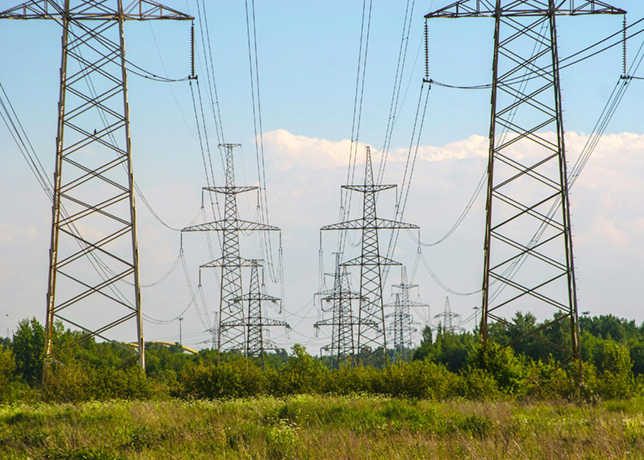
Meanwhile, creation of smart grids has emerged as one of the key areas in power conservation.
The estimated smart grid market will near $16 billion in the next five years. However, only 8 per cent of utilities around the world have completed their smart grid technology implementations while 37 per cent have projects under way and more than half haven’t yet started.
A smart grid transforms the way power is delivered, consumed and accounted for. Adding intelligence throughout the newly networked grid increases reliability and power quality; improves responsiveness; increases efficiency; handles current and future demand; potentially reduces costs for the provider and consumer; and provides the communication platform for new applications.
There are 11 primary smart grid market drivers, ranging from growing energy demand to technology advancements to policy and more. The three biggest challenges facing smart grid are: interoperability standards, utility business models that promote energy efficiency, and proper development of systems architecture that can support enterprise-wide current and future applications.
Roughly $1.3 billion in venture capital was invested in the smart grid sector between 2005 and 2009 (through June 2009). Just over $105 million of that total went into the space through the first two quarters of 2009.
Electrical energy storage is central to the future energy industry and the advancing use of renewable energy, particularly wind power, will lead to significant increase of its use. There are a broad range of new storage technologies; however, commercial projects are in short supply.
FUEL CELL MARKET
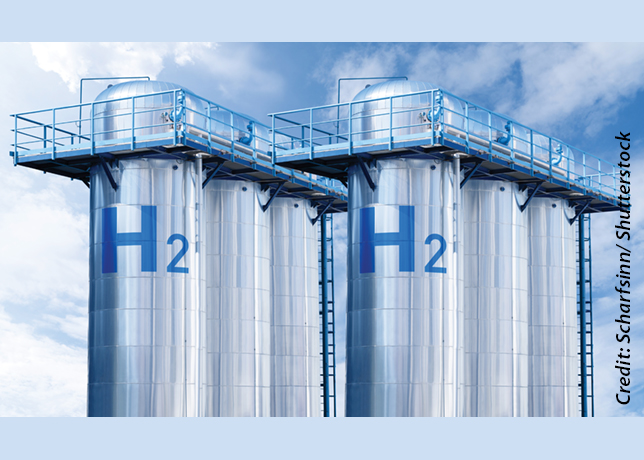
The fuel cell market is currently in the nascent stage of development and with new technological advancements, government support mechanisms and an increase in sales; these are expected to bring the cost of fuel cells down in the future.
The technology is expected to become commercialised by 2013-2015 and will lead to rise in number of fuel cell installations in 2015 which are expected to exceed hundreds of thousands units.
The introduction of nanotechnology is providing increased durability to fuel cells and is making its costs competitive with traditional sources of power generation.
In 2008, more than 2,100 organizations engaged in the development of nanotechnology for fuel cells and hydrogen energy with more than $4.7 billion spent on research.
During 2002 to 2009 the fuel cells market has attracted the investment of more than $663 million in the form of equity financing, private placement, private equity and venture financing.
 |
|
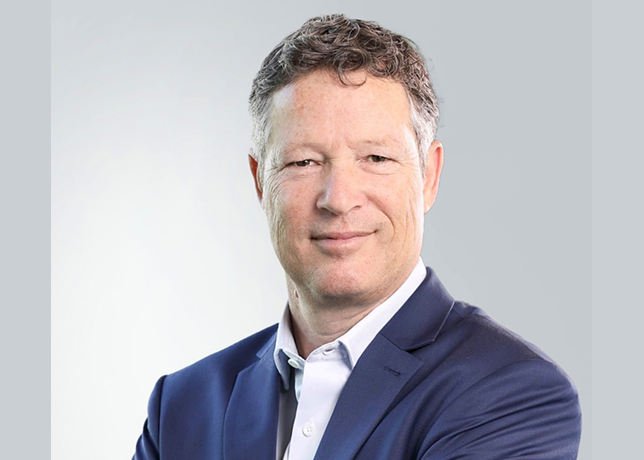
Al Jaber at European Future Energy Forum 2010 |
Investments peaked in 2004 when the industry received investments of about $170.3 million which resulted in an increased number of installations coming online in 2005. The investments decline during 2008 and 2009 as a result of economic crisis but it is expected that the fuel cells market will attract more investors once the economy recovers.
ADVANCED TRANSPORTATION MARKET
The global market for plug-in vehicles will rise to $11.75 billion by 2015. Installation of charging station infrastructure will rise from just over 20,000 stations at present to approximately 3 million by 2015.
In five years, the US will represent 54 per cent of the global market. China and Japan are current industry leaders in battery technology. The US has set a goal of 1 million plug-in electric vehicles on US roads by 2015.
Meanwhile, in the last summit, world leaders had raised a fresh alarm on global warming, urging international action to increase use of clean energy. Maldives President Muhammad Nasheed warned: “If we don’t act now, our coral reefs and rainforests will die, desert countries will become unbearably hot and low lying countries like the Maldives will slip beneath the rising seas.
Tackling climate change is not like dealing with other global issues, such as trade or disarmament. We do not have the luxury of time to meet, year after year, in endless negotiations”.
Nasheed, head of a low-lying Indian Ocean state, told the World Future Energy Summit that inaction will cause a disaster affecting the whole globe. He was referring to the Copenhagen climate talks last month, which ended with a non-binding agreement to reduce rises in global temperatures, seen as a lukewarm commitment to save the planet.
Nasheed said: “The Copenhagen Accord, in its current form, will not prevent catastrophic climate change. Our challenge this year, and next, is therefore to strengthen the accord so it becomes a blueprint for planet-saving action”. Turkish PM Recep Tayyip Erdogan echoed the warnings of global warming, stressing the gravity of the challenge.
Erdogan told the opening session: “Mitigating global carbon emission is one of the important hurdles ahead of us”. He highlighted the measures taken by Turkey to reduce dependency on fossil energy, saying renewables represented 20 per cent of the country’s generated power, and that Ankara aimed to increase this share to 30 per cent by 2023.
He said Turkey wanted to contribute to EU’s security of energy resources through transporting gas, which is a cleaner source of energy than coal and oil. He added: “Our country aimsto contribute to Europe’s energy security”, pointing to the Nabucco gas pipeline agreement signed in July between Turkey and four EU states, which is aimed at reducing Europe’s gas dependence on Russia.
Qatar’s Energy and Industry Minister Abdullah bin Hamad Al Attiyah, whose country is the world’s largest exporter of LNG, protested against the use of the term “alternative” when referring to renewables.