



































The UAE will exit the Organisation of the Petroleum Exporting Countries (Opec) and Opec+ effective May 1, 2026, ending nearly six decades of membership in a move framed as driven by national economic priorities, according to a report by Emirati news agency WAM.
The decision appears rooted in financial considerations, with the UAE saying it is shifting focus towards what best serves national interests and its commitments to investors, customers, partners and global energy markets.
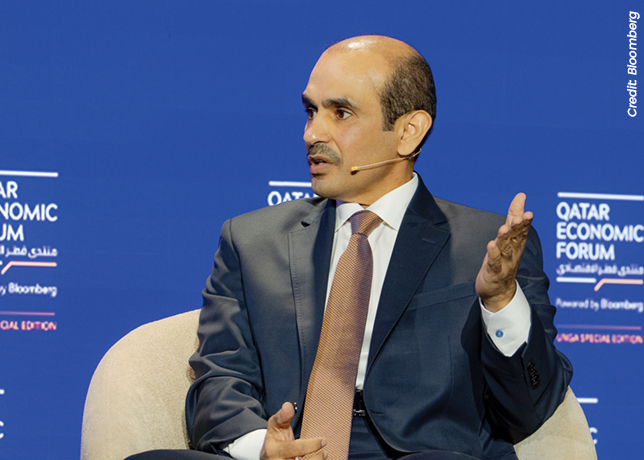
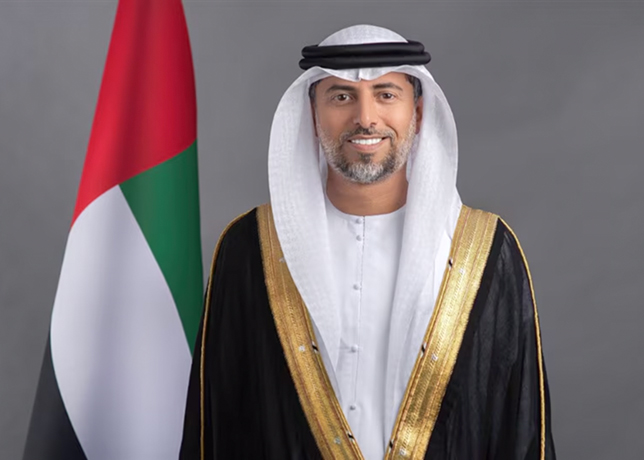
“This is a policy decision, it has been done after a careful look at current and future policies related to level of pproduction,” Suhail Mohamed Al Mazrouei, UAE Energy Minister, told Reuters.
Despite the departure, the UAE said it would continue to act responsibly by bringing additional production to market in a gradual and measured manner, aligned with demand and prevailing market conditions.
It stressed the move does not alter its commitment to global market stability or its cooperative approach with producers and consumers, but rather strengthens its ability to respond to evolving market needs.
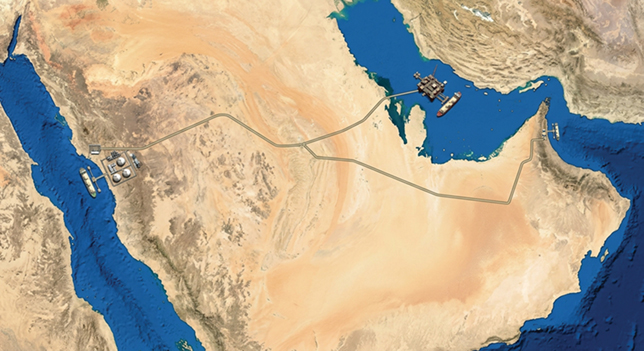
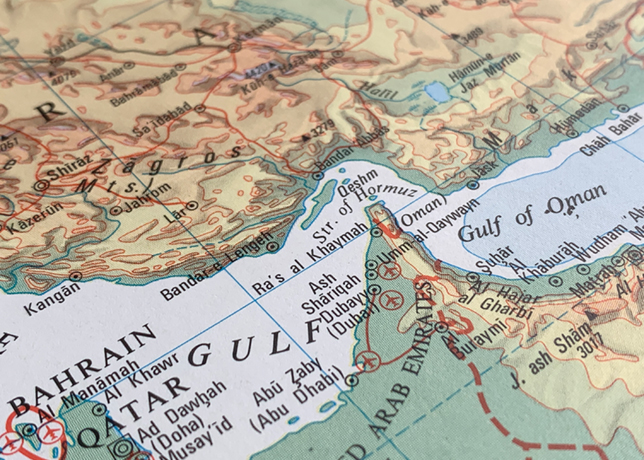
The announcement comes amid continued near-term volatility, including supply disruptions linked to the Arabian Gulf and the Strait of Hormuz, although the report said longer-term trends continue to point to sustained growth in global energy demand.
The UAE said a stable global energy system depends on flexible, reliable and affordable supply, adding that it has invested to meet changing demand efficiently and responsibly while prioritising stability, affordability and sustainability.
The country joined Opec in 1967 through the Emirate of Abu Dhabi and retained membership following the formation of the UAE in 1971.
Over the years, it has played a prominent role in supporting oil market stability and fostering dialogue among producing nations.
The UAE, which produces some of the world’s most cost-competitive and lower-carbon barrels, said it will continue investing across the energy value chain, spanning oil, gas, renewables and low-carbon solutions, to support resilience and long-term energy system transformation.
One of the world’s top oil producers, the UAE currently produces around 3.5 million barrels per day (bpd) of crude oil, with installed capacity estimated at about 4 million bpd, and ambitious plans to raise this to 5 million bpd by 2027.
Exports account for the bulk of its production, with roughly 2.5–3 million bpd shipped to international markets, primarily in Asia.
As a key Opec member with one of the group’s largest spare capacities, the UAE has played a crucial role in balancing supply cuts and increases.