
















Saudi Arabia has advanced the intersection of energy heritage and cultural diplomacy with the inauguration of the Black Gold Museum at King Abdullah Petroleum Studies and Research Centre (KAPSARC), a permanent institution positioning oil not only as an industrial resource but as a subject of artistic, historical and societal reflection.
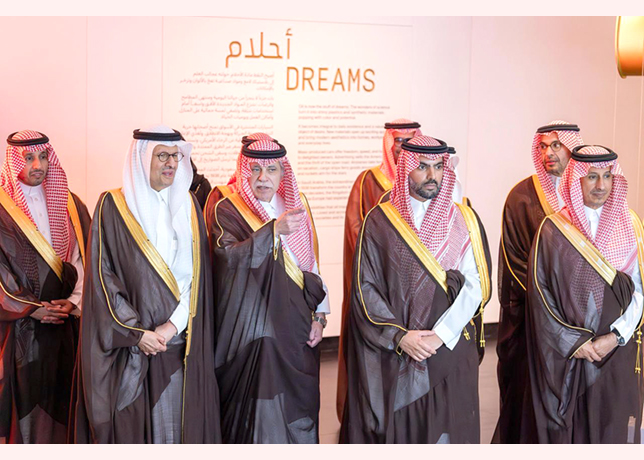
The museum, officially inaugurated by Prince Abdulaziz bin Salman Al Saud, Minister of Energy and Chairman of KAPSARC’s Board of Trustees, and Prince Bader bin Abdullah Al Saud, Minister of Culture, is described as the first of its kind and marks a notable addition to the Kingdom’s evolving cultural landscape.
Developed through a collaboration between the cultural ecosystem, represented by the Museums Commission, and the energy ecosystem led by KAPSARC, the museum seeks to frame the history and influence of oil through a multidisciplinary lens.
.jpg)
Rather than adopting the conventional format of a science or industry museum, it presents a broader narrative of oil’s transformative role in shaping economies, societies and daily life, while positioning culture as a vehicle for critical engagement.
At the centre of the concept is a permanent collection of more than 350 artworks from over 30 countries, created by more than 170 Saudi and international artists.
Alongside major installations, photography and historical documentation, the collection provides a cross-border examination of oil’s imprint on industrialisation, development ambitions and contemporary thought.
.jpg)
The institution is organised into four interactive sections: Encounter, Dreams, Doubts and Visions.
• Encounter presents the global story of oil’s discovery and its early uses in the 19th century, highlighting its role in driving industrialisation.
• Dreams traces how oil became a vital resource that reshaped societies and fueled development ambitions.
• Doubts offers a critical reflection on oil’s impact and the complexities of global reliance on it.
• Visions looks toward the future through a dynamic program of dialogue and discovery.
Project delivery also reflects broader decision drivers linking culture, design and national programmes.
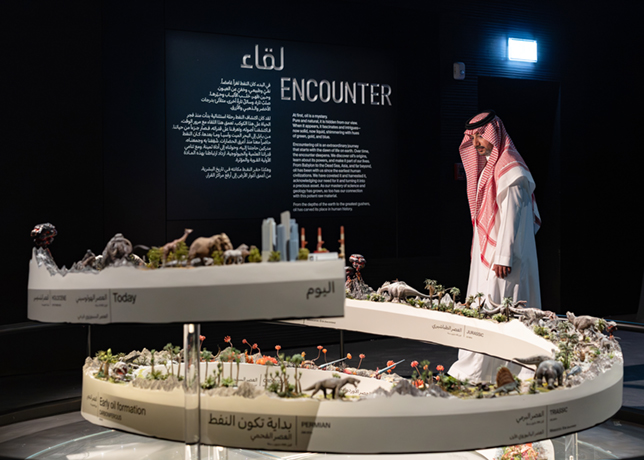
The museum is housed within KAPSARC’s landmark building designed by Zaha Hadid, with interiors by DaeWha Kang Design, embedding architectural significance into the visitor proposition.
Institutional support from the Quality of Life Program aligns the project with wider development objectives under Vision 2030, while underscoring the use of cultural infrastructure to preserve industrial history and support new artistic expression.
.jpg)
The museum’s forward implications extend beyond exhibition-making into how oil’s legacy is interpreted within global cultural discourse.
By combining art, historical documentation and interactive dialogue in a permanent platform, the project introduces a distinct model for engaging with the social dimensions of energy, reinforcing the role of cultural institutions in broadening conversations around resource histories and future perspectives.