























































Global energy demand growth slowed to 1.3 per cent in 2025, slightly below the previous decade’s average and significantly lower than 2024 levels, according to the International Energy Agency’s (IEA) Global Energy Review.
The slowdown was driven by weaker economic growth, milder weather in some regions, and rapid adoption of energy efficient technologies.
Despite this, electricity demand remained strong, rising by around 3 per cent—more than double the rate of overall energy demand growth.
Expansion was supported by increased consumption across buildings and industry, alongside rising demand from electric vehicles and data centres.
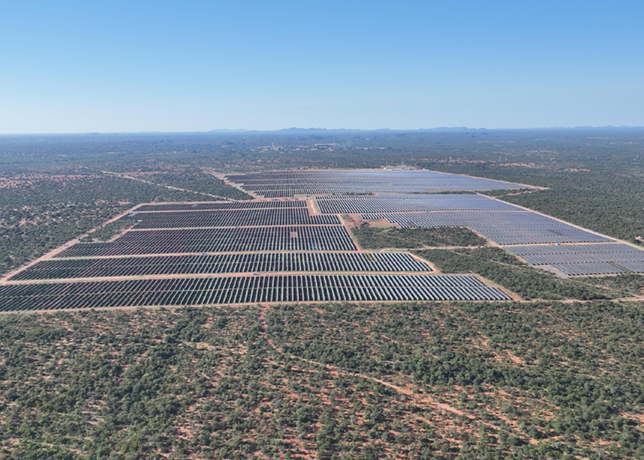
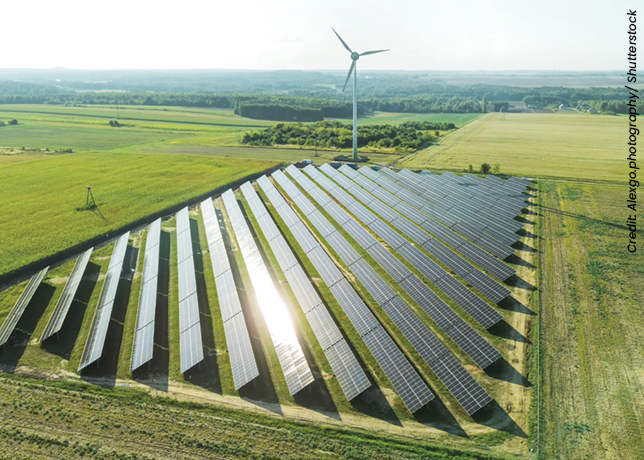
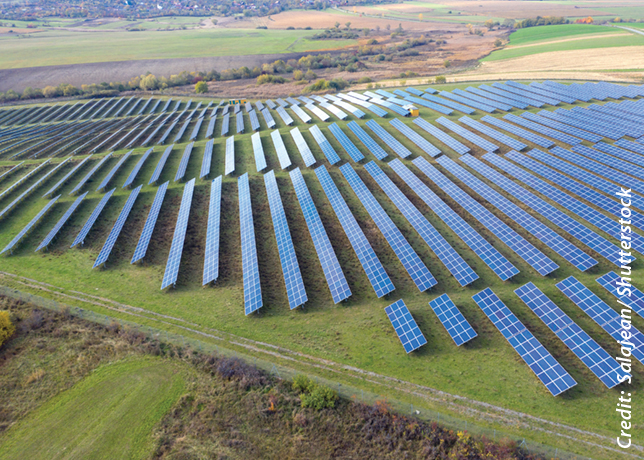
Solar photovoltaics emerged as the largest contributor to global energy supply growth for the first time, accounting for over 25 per cent of the increase.
Natural gas followed at 17 per cent, reflecting its continued importance in power generation.
Overall, renewables and nuclear energy met nearly 60 per cent of total demand growth, with their power generation exceeding the rise in electricity consumption.
Oil demand grew modestly by 0.7 per cent, constrained by the rapid uptake of electric vehicles.
Global electric car sales rose by more than 20 per cent to exceed 20 million units, representing one in four new car sales.
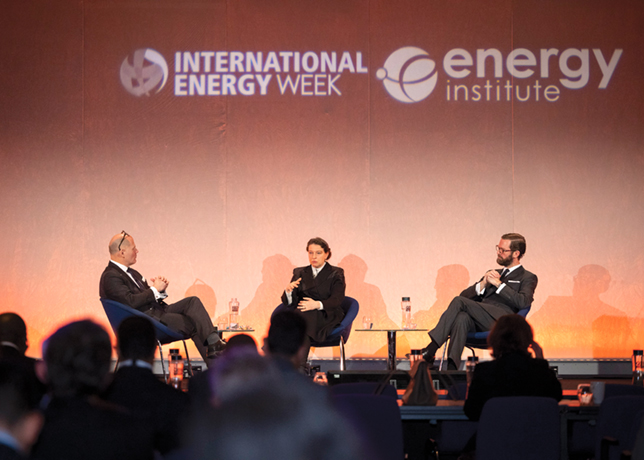
“Global energy demand continued to increase in 2025 against a complex economic and geopolitical backdrop, with one trend unmistakeable: the expanding electrification of economies,” said Fatih Birol, IEA Executive Director.
Regional trends varied widely. The US saw strong demand growth, while China’s growth slowed to 1.7 per cent due to efficiency gains and renewable expansion.
Global carbon emissions growth also eased to 0.4 per cent, supported by clean energy deployment, although advanced economies recorded slightly higher emissions growth than developing markets.