
















































Deployment time
In a rapid deployment scenario, the size and weight of the overall system becomes a very important issue.
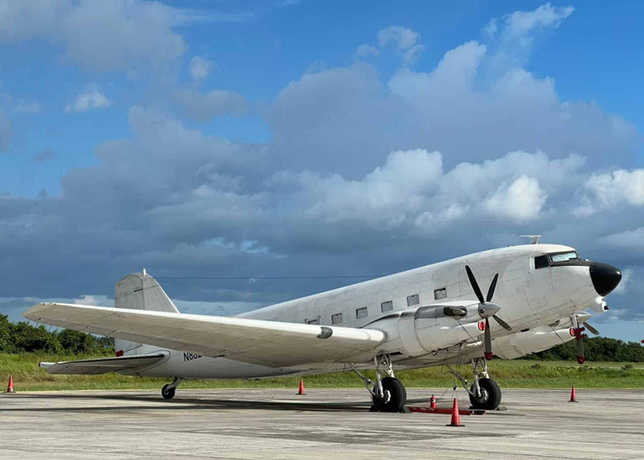
Large systems cannot be transported as easily, quickly or as inexpensively as small systems. Shipping the Nova Ray is as easy as packing for a trip. This feature enables quick response time and fast emergency deployment.
Cable length
Some deployment sites are limited by available boats, or are limited due to the launch sites for the boat itself. For example, some situations require launching in a lake where only small boats can be used, or in wilderness lakes where the ROV system (including the boat) have to be airlifted to the deployment site. It is in scenarios like these where the Nova Ray’s operational characteristics, like rapid deployment and system size parameters, would make it a clear choice over the competition.
Available surface platforms
When under tow, the Nova Ray can operate up to 70% deeper than conventional ROV or UTV systems using the same cable length as competitor systems. Without thrusters, the Nova Ray can operate at a ratio of 2.38:1.
With thrusters, (at 1/2 the horsepower of competitors’ vehicles) the Nova Ray can reduce the ratio to 2:1. That is 2 feet of cable for every foot of depth. With less cable, the Nova Ray System is lighter, smaller and easy to deploy anywhere in the world on a rapid response basis.
Equipment
Competitive ROVs are usually “weighted down” to counteract the destabilising effect of Vortex Shedding . The Nova Ray becomes more responsive with increasing water speed over the vehicle. Increased speed simply improves the Nova Ray’s “flying” abilities.
Competitors attach add-on components, such as scanning sonar, altimeter or tracking system, simply by bolting the add-on device to their non-hydrodynamic ROV frame.
The information gathered is then conveyed up a larger umbilical to a separate system at the pilot control station on the surface. This can dramatically increase the size of the overall system. Some systems require a 20-foot container to house the ROV for travel and to accommodate the pilot controls.
The pilot can have up to four or five separate monitors that display information from each component while also trying to “fly” the ROV and perform mission specific tasks.
Besides increasing the cost of the system exponentially, the size for shipping the system increases, and the platform for ROV operations must increase as well, further driving up the cost of mission operations.


