














































So you’re new to the field of industrial gas detection, and you’ve got to consider the needs of your workplace.
Start by grasping the basics of gas detection: why, where, what and how.
We must understand gas detection because so many workplaces are affected by harmful and toxic gases; manufacturing, construction, aviation, criminal investigation, oil, petrochemical and many others. Such contaminants may be present in all of these situations.
The most common culprits in general industry are referred to as the “big four”; combustible gas or LEL, carbon monoxide, hydrogen sulfide, and oxygen deficiency or enrichment.
Combustible gas such as natural gas (methane) with the correct mix of oxygen and a spark can produce deadly explosions.
Carbon monoxide exposure targets the cardiovascular system. Hydrogen sulfide exposure affects the respiratory and central nervous systems. Too little or too much oxygen results in respiratory failure or increased risk of explosion, respectively.
Fortunately, years of technological advancements have produced varied instrumentation to cope with it all and new sensing methods are being developed constantly.
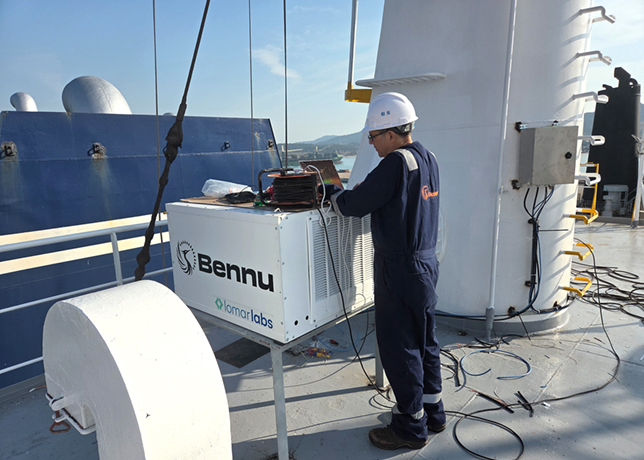
Gas detection and monitoring instruments range from mounted and freestanding fixed systems with wireless networked modules and relays, to palm-sized battery-powered clip-on personal alarms.
Gas sensor types used in these instruments include catalytic bead, electrochemical, photoionisation, ultraviolet, infrared and surface acoustic wave.
The processes vary but all read levels of specific gases or gas types and display those readings, typically in percentage or parts per million (PPM).
Hazard assessment comes first. Site evaluations are often necessary to ascertain what harmful contaminants are present.
Industrial hygienists (IHs) perform site evaluations and may use a gas chromatograph, an analytical tool which separates vaporised gas samples into individual components.
Once an analysis is made of the confined space or larger area in question, an IH can advise as to the proper types of instruments for ongoing gas detection and monitoring.
Certain manufacturing processes produce specific gases, and safety management must plan for these expected hazards.
Oil refineries and paper mills routinely monitor for hydrogen sulphide. Welders purging a confined space of oxygen must monitor their oxygen level to help prevent explosions.
Solutions for dealing with hazardous gases include fixed-system monitoring of large enclosed areas, such as refrigerant monitors for “chiller” rooms, toxic gas monitors for carbon monoxide in steel mills, and combustible gas monitors for potentially explosive atmospheres in mining applications.
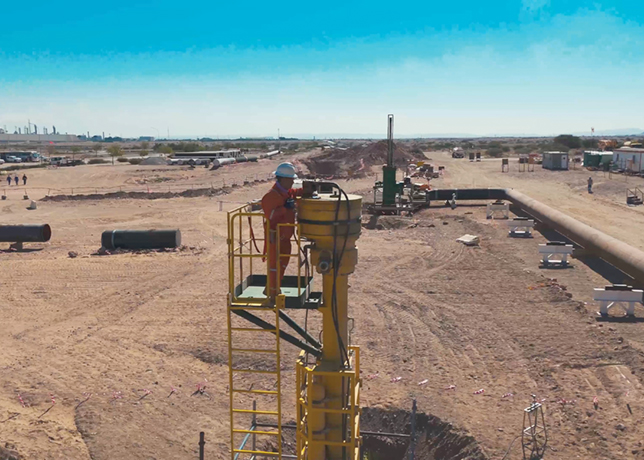
Open-path optical systems offer long distance and perimeter gas detection and monitoring of refinery perimeters, oil rigs or over natural gas pipelines.
Hand-held, portable “multigas” instruments with sampling lines and probes are commonly used for worker entry of small confined spaces that may contain toxic or combustibles gases.
Confined space workers in areas where a specific toxic gas may leak can wear small, single-gas personal monitors that will alarm when the toxic gas concentration reaches a warning level, and know to exit that area immediately.
Once your site assessment has been completed, you may need to replace older instruments with new ones.
Many choices of instrument types exist, from manufacturers large and small.
If you are for example, outfitting an outdoor area with a fixed instrument gas monitoring system, consider that the modules must withstand possible extreme weather conditions; rain, wind, intense sun, humidity, etc.
How rugged is the housing, and will it protect the system from the elements?
Investigate the manufacturer’s routine maintenance and calibration requirements.
How many people will operate the units, and what training is necessary? Do the gas sensor ranges encompass the gas concentrations that are likely to be present?
How adaptable is the system to changing needs in your workplace?
Many of the same issues apply to choosing a portable instrument. If you’re shopping for a multigas unit, determine if different toxic gas sensors can be added should the need arise.
Are your personnel trained to do gas sensor checks and maintenance? Is the instrument rugged enough to withstand an occasional drop onto pavement or splash of muddy water?
Is it easy to access parts to replace them? Does your application require that the instrument be datalog-ready? How fast does the instrument battery pack recharge?
Single-gas instruments are usually quite straightforward in their operation but their performance and practicality should be evaluated as well. Is the display easily visible and brightly lit, so that your workers can read it at a glance? Will the alarm be heard over high noise levels? Is the clip or carrying harness secure?
Does the unit display gas readings constantly or just alarm when high or low concentrations are reached? What’s the life expectancy of the unit’s battery?
When sorting through the many options and amenities offered on instrumentation in the marketplace, you’ll no doubt notice the various approvals listed in manufacturers’ specifications.
The relevance of the various industry approvals depends upon the instrument’s application. Certain industries require that instruments meet specific approvals, such as those given for intrinsic and explosion safety by UL & MET. In our expanding global marketplace other intrinsic safety approvals will commonly appear such ATEX (European). Many instruments nowadays also carry an Ingress Protection (IP) rating for dust and water protection.
MSA SUPREMA is the first system worldwide to achieve approval for all relevant certifying bodies such as ATEX, TUV up to SIL3, NFPA 72 and SOLAS.
Understanding your gas detection needs is not always an easy feat, but is made simpler through research and preparation.
However it’s no doubt a worthwhile endeavor for the peace of mind that it will provide to your workers and yourself.
While this report summarises many considerations involved in selecting an appropriate instrument for your needs, there is no one-size-fits-all approach. Instead, these decisions must be made in a case-by-case basis.