





























Abu Dhabi National Energy Company (Taqa) said it is in early talks to import natural gas from Iran to the UAE, and invest in the Iranian energy industry, including in power.
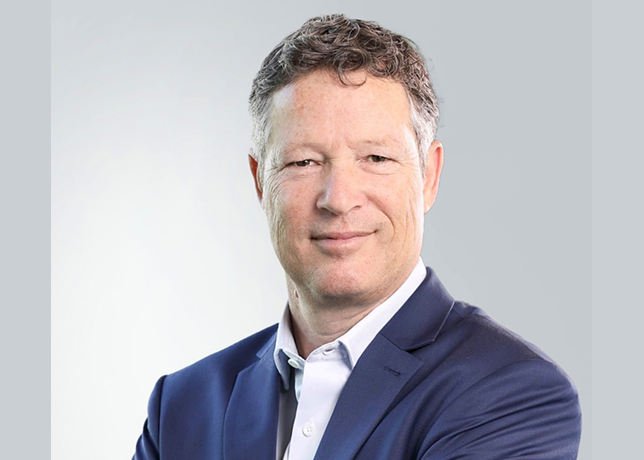
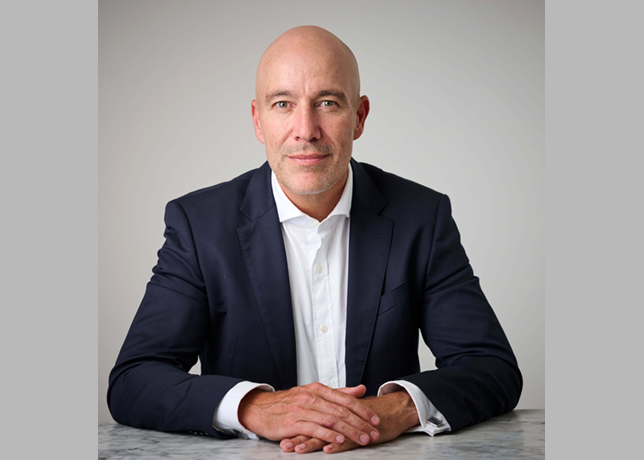
“Taqa is in talks with Iran to import gas for the UAE,” chief executive officer Peter Barker-Homek said in Abu Dhabi.
“We certainly see economic co-dependence as something of the future.”
Taqa is considering investing in Iran’s natural gas industry, including in liquefied natural gas and pipelines, as well as electricity, Barker-Homek said.
Taqa also aims to become by 2012 a $60 billion company by assets, he added.
“We are currently a $21 billion company by assets. In 2007 alone, till date, we have closed deals worth $11 billion through six transactions,” Barker-Homek said.
He said as of this month the company’s outstanding debt was $8.5 billion.
“Our current production is 165,000 barrels of oil per day, while we have reserves of 600 million barrels,” said Barker-Homek.
“The average reserve life is 12 years and our per barrel production cost is averaging $12.”
Barker-Homek said Taqa may come out with a “secondary IPO or convertible bonds” in the second half of 2008 to raise funds for further acquisition and expansion.
He said there’s a strong possibility of large-size transactions in the third and fourth quarters of 2008.
He said within Abu Dhabi, Taqa’s borrowings are from the National Bank of Abu Abu Dhabi, Abu Dhabi Islamic Bank and Abu Dhabi Commercial Bank.
Barker-Homek said from a producer’s point of view, Taqa is “reasonably comfortable with global oil prices at $90 per barrel and natural gas at $7 per million British thermal units”.
He said Taqa is looking at extending its presence in the Middle East, North Africa, India and Pakistan.
In Africa, Barker-Homek said the company was keen to buy assets in Algeria, Libya, Tunisia and Egypt.
Barker-Homek said it’s unlikely that Taqa would open up share registry to non-UAE nationals until 2010 or 2012.
Giving a broad break-up of Taqa’s earnings, he said in 2007, about 85 per cent of the company’s revenue would come from its assets within the UAE.
“The estimated revenue breakdown for 2008 is 50 per cent from within the UAE, and 50 per cent from outside,” said Barker-Homek.
He said Taqa’s acquisition of PrimeWest Energy Trust, a Calgary-based oil and gas producer, would be completed next January 16.
On the company’s diversification plans, Barker-Homek said Taqa is looking at the prospect of getting into the wind energy generation business and is eyeing this market in the UK, Canada and India.
“We have been talking to wind power developers focused on the UK,” he said, adding that the company could utilise its huge land banks in Canada to serve as wind farms, going into the future.
“We are also looking at power opportunities within India,” said Barker-Homek.
Taqa’s third-quarter profit more than doubled after adding petroleum revenue from Canadian and Dutch acquisitions.
Taqa bought Canada’s Northrock Resources for $2 billion in August, adding Dh44.1 million ($12.01 million) to its profit in the three months to September 30, it said in a statement.
Taqa also bought BP’s Dutch gas operations in February. Abu Dhabi is the largest member of the UAE federation and the world’s sixth-largest oil exporter.
“A year ago, Taqa’s revenues were primarily derived from water and power generation in the UAE,” Barker-Homek said in the statement on the earnings.
“Today, we are also reporting substantial growth in oil and gas revenues further to our expansion into the Netherlands and Canada.”
Net income surged 114 per cent to Dh131.9 million, or Dh0.03 per share, compared with Dh61.35 million, or Dh0.02 per share, in the year-earlier period, the company said. That does not include minority interests.
Revenue from oil and gas was Dh308.4 million, compared with nothing in the year-earlier period, it said.
Revenue from the sale of water and electricity rose 35 per cent to Dh1.18 billion, in part because of its $900 million acquisition in February of the Middle East, North Africa and India operations of US utility CMS Energy Corp, said a Taqa official.
Domestic demand for water and electricity also rose, said the official, as the Abu Dhabi economy grew on record oil prices, and businesses and the population expanded.
Taqa also generated Dh937.5 million from the sale of “supplemental fuel” and from other sources, it said.
Taqa, which operates six power generation and water desalination plants in the UAE, gets its natural-gas fuel feedstock free from the Abu Dhabi government.
When those supplies are unavailable, it pays Adnoc for heavy fuel, costs that are reimbursed from the Abu Dhabi agency that buys Taqa’s output, according to officials. That is accounted for as supplemental fuel sales.
Fuel expenses were Dh753.5 million, compared with nothing in the year-earlier period, Taqa said. Financing costs, associated with its acquisitions, more than doubled to Dh644 million, it said.
The company, which sold $2 billion of bonds in the US this month, plans to sell as much as $6 billion before April, Manu Mehra, group vice president for acquisitions, said.
Taqa, whose shares are only open to UAE citizens, expects to complete its $5 billion ($5.23 billion) acquisition of Calgary, Canada-based PrimeWest Energy Trust before April, and its $540 million buyout of oil and gas producer Pioneer Canada before January, according to its statement.
“Taqa does have an appetite for acquisitions and scale is important to us,” Barker-Homek said in the statement.
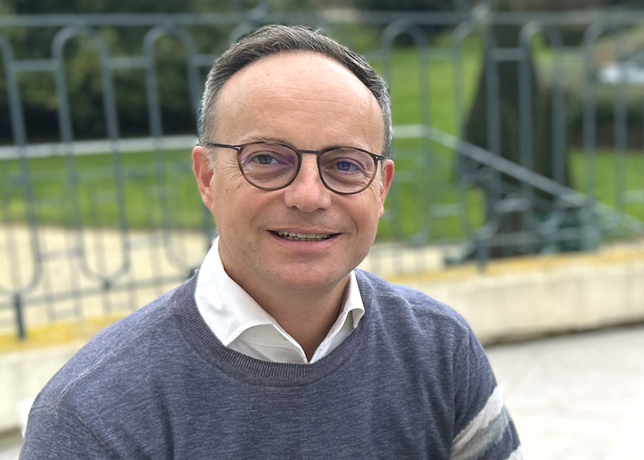
In an earlier interview, Taqa group vice-president for acquisitions Manu Mehra said Adnoc could sell as much as $6 billion of bonds in 2008 to pay for acquisitions if credit markets improve.
He said the state-controlled company had announced acquisitions worth about $10.5 billion in the last year and has paid $4.5 billion for the assets so far.
“We are looking to sell $5 billion to $6 billion of bonds in US and Canadian dollars to pay for the remaining acquisitions, subject to regulatory and third party approval, and credit market conditions,” Mehra said.
“We might be coming back to market in the first quarter of next year,” he said on the sidelines of a conference in Bahrain.
The bonds would have a fixed interest rate, he said.
Taqa sold $2 billion of fixed-rate bonds in the US under the US Securities and Exchange Commission’s rule 144a that governs private placements.
Bond spreads have widened since June when defaults on U.S. home loans made banks around the world more reluctant to lend, prompting some companies to shelve or postpone borrowing plans.
For debt on the HSBC-DIFX Middle East Conventional Bonds index, spreads have risen about 42 per cent to 185 basis points over the London interbank offered rate, from 130 at the end of June, according to HSBC.
Mehra said the Canadian dollar bonds would be used to pay for Canadian assets, without giving a breakdown.
“The size of the bond should be sufficient to naturally hedge our exposure to the currency of the asset,” he said.


