













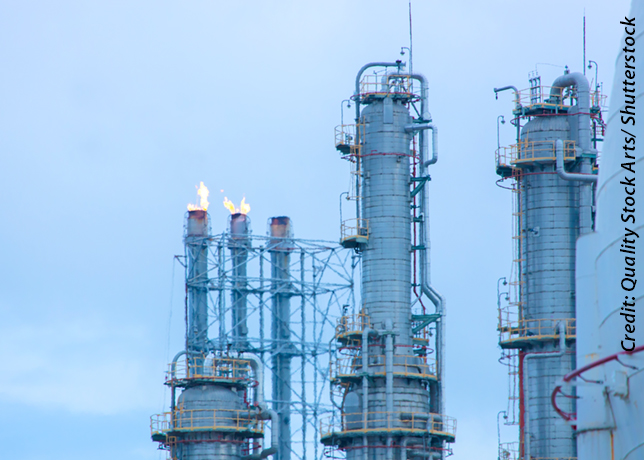

















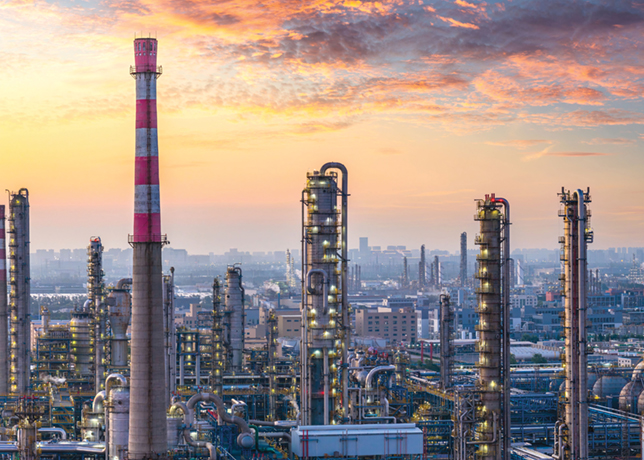





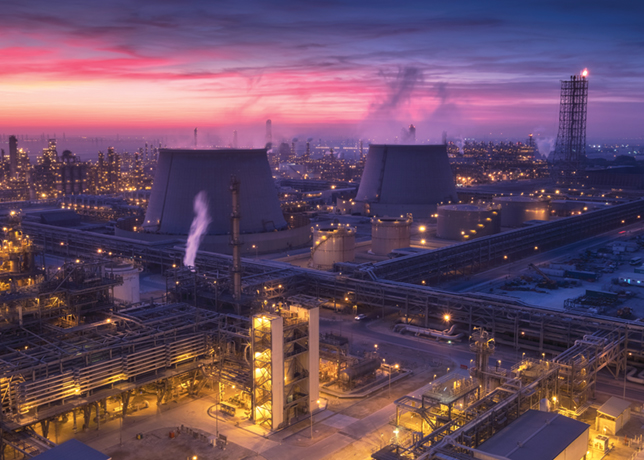


Ramon Del Moral knew things were not going well at Venezuela’s Cardon refinery, located just next to his house, when one of its flares quadrupled in size in early December.
But as the Opec nation’s second-largest refinery started dropping ash on nearby houses, Del Moral realised Cardon’s problem – an electrical outage that required the burning of partly refined oil – was also his problem.
“There was all this black smoke, the sky turned black,” said Del Moral, 61, pointing at the nearby flare that had returned to its normal size. “Whoever hung up their laundry that day had to wash it again.”
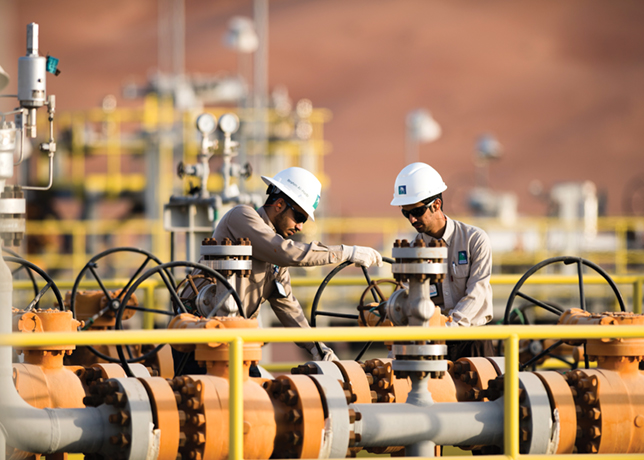
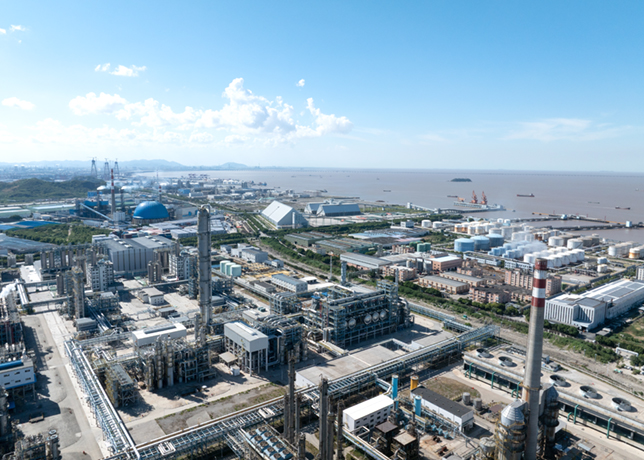
Management inexperience and underinvestment at Venezuela’s state oil company PDVSA have led to growing operational problems at its refineries that could lead to accidents and create a domestic fuel crunch and cut the country’s already shrinking exports.
“In 2008, we could face a national crisis because of the refinery problems,” said one refinery source.
PDVSA’s five refineries have suffered 12 outages this year, including a recent 140,000 litre gasoline spill at the Isla refinery on the island of Curacao that caused the evacuation of businesses and schools.
The problems threaten to stifle fuel supply in a country where cheap gasoline is considered a birthright and where demand is soaring alongside record car sales.
“That’s entirely plausible and seems to be the consensus,” said one Gulf Coast oil trader.
“It’s the same problem with their rapidly declining production curve for crude oil.”
Domestic consumption of Venezuelan gasoline, which the IMF calls the cheapest in the world at $0.13 per gallon, has increased by around 24 per cent since 2004 to reach 600,000 barrels per day (bpd).
Meanwhile, finished gasoline exports to the US, PDVSA’s principal client, dropped almost 62 per cent in the first nine months of 2007 compared with 2006, according to US government figures. Overall shipments of Venezuelan fuel to the US fell 22 per cent.
Critics of Venezuelan President Hugo Chavez blame the refinery accidents that injured nine workers and killed at least one other in 2007 on a widespread lack of expertise and investment since 20,000 PDVSA workers were fired in 2002 following an anti-government strike.
They also say PDVSA is underinvesting in oil installations – especially refineries – because Chavez is using the company’s booming revenues to finance social programs that have built up his support among the majority poor.
The problems have been most noticeable at the 135,000 bpd El Palito refinery, which had its catalytic cracking unit down for several months in 2006 and at least 11 weeks this year, triggering gasoline lines in the major city of Barquisimeto in October for the first time in years.
Power failures accounted for close to half Venezuela’s refinery outages this year and have taken units offline at least four times at the 200,000 bpd Puerto La Cruz refinery.
The 640,000 bpd Amuay refinery, which produces much of Venezuela’s exported products, has suffered few incidents.
But workers at the neighboring 300,000 bpd Cardon refinery say the facility is operating at minimal levels because most of its steam boilers are broken.
Three sources attributed the problems to a widespread inability to acquire replacement parts for the plants and overall management inexperience.
PDVSA has promised to upgrade the fuel systems of 100,000 cars to run on natural gas as a way to reduce fuel consumption and cut rampant smuggling.
Chavez vowed earlier to raise gasoline prices but has shown no signs of actually doing so, and economists say such a hike is unlikely given that it would fuel Venezuelan inflation that is already the highest on the continent.
Trade sources, meanwhile, said Citgo was forced to shut a reformer unit at its 429,000-barrel-per-day refinery in Lake Charles, Louisiana, for two weeks of unplanned work, The unit was shut for unspecified repairs, pushing down naphtha prices.
Traders said that naphtha traded at seven cents under the conventional M4 gasoline in the US Gulf of Mexico, about two cents weaker than on Monday.
In the New York Harbor, a cargo traded at 11.50 cents under the Nymex RBOB futures after it was diverted from the gulf.
A company spokesman was not immediately available to comment on the outage.
The refinery has naphtha reforming capacity of 123,000 bpd, according to the Energy Information Administration.