












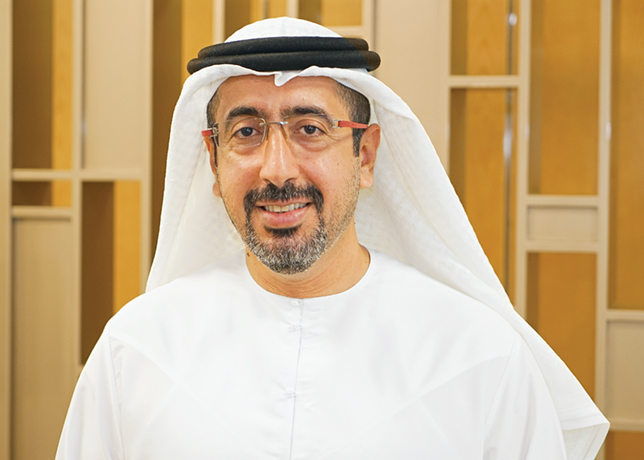
By Abdulaziz Khattak
DUBAL Holding is positioning circular economy investment as a core industrial growth strategy, linking waste-to-fuel, low-carbon aluminium and energy infrastructure to its net-zero by 2050 pathway, aligned with the UAE’s Net Zero 2050 strategic initiative.
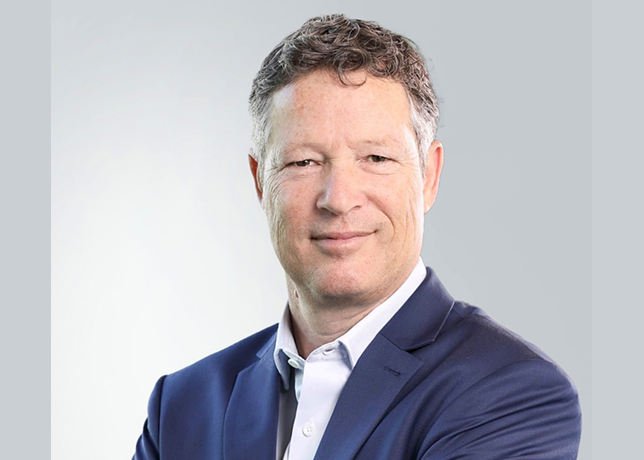
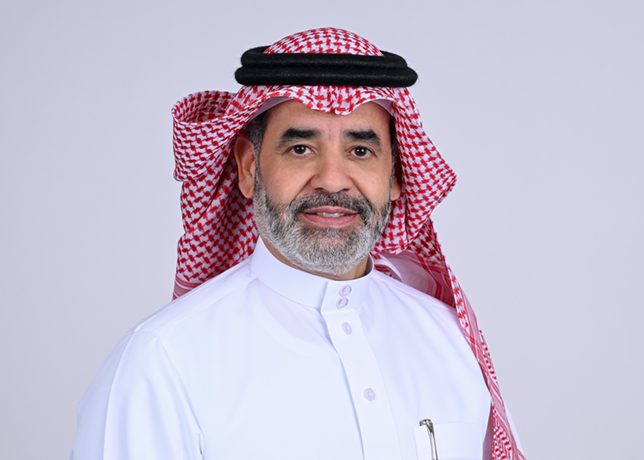
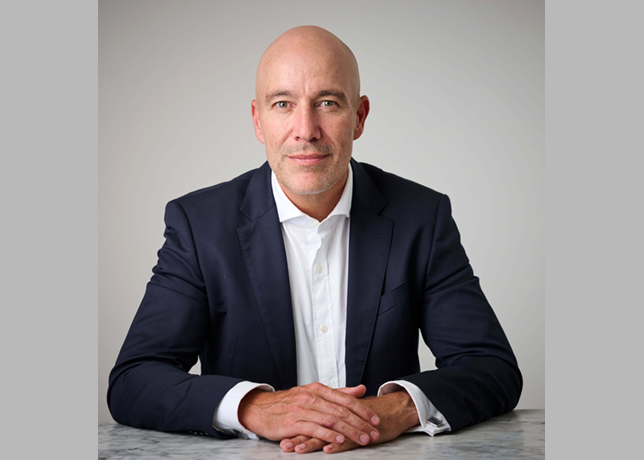
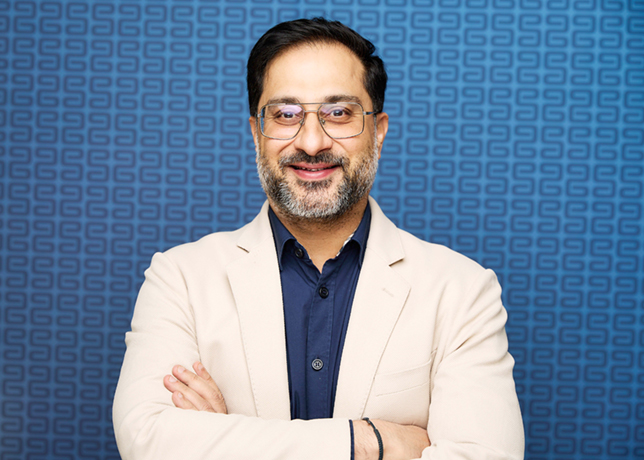
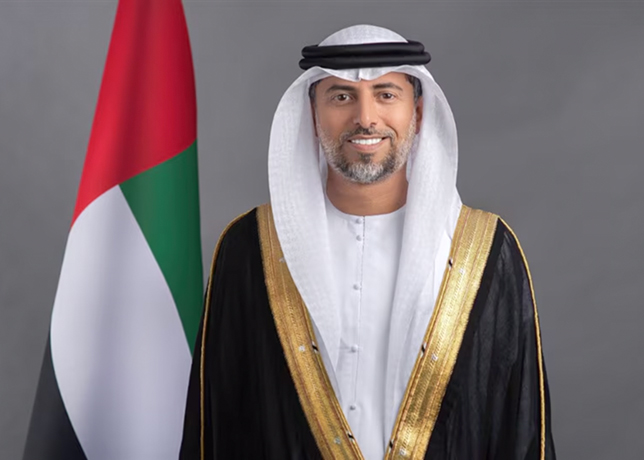
“Environmental responsibility and economic performance are not competing priorities but mutually reinforcing outcomes,” Ahmad Hamad Bin Fahad, CEO of DUBAL Holding, tells OGN energy magazine in an exclusive interview.
That strategy spans its subsidiaries including BiOD Technology, which is scaling biodiesel from used cooking oil, and Emirates Global Aluminium, where decarbonisation is advancing through efficiency, cleaner power and low-carbon product innovation.
Bin Fahad also points to the Warsan Waste-to-Energy Plant, the world’s largest single-site facility of its kind, as evidence of industrial-scale circularity in practice.
While acknowledging transition challenges in hard-to-abate sectors, he frames DUBAL Holding’s portfolio as a system-wide approach balancing energy security, emissions reduction and scalable commercial returns.
From biodiesel and waste conversion to aluminium transformation, the message is clear: decarbonisation, he argues, must be pursued through practical industrial pathways, not isolated projects.
Below are excerpts from the interview:
The BiOD Technology subsidiary is collecting used cooking oil and turning it into B100 biodiesel. As of March 2026, how many litres have been processed and what is the impact?
Since we acquired BiOD Technology, the company has evolved into a city-scale circular platform, with collection networks now extending across households and the hospitality sector throughout the emirate.
We are processing substantial volume of used cooking oil (UCO), with cumulative results surging in line with this expansion.
On a lifecycle basis, B100 biodiesel produced from UCO can reduce greenhouse gas emissions by up to 86.57 per cent compared to conventional diesel.
This reduction is independently benchmarked and reflects the real climate value of converting waste into a viable, cleaner fuel alternative.
We are enabling this transition at scale by building the infrastructure, partnerships and operational discipline required to create a consistent source of low-carbon energy and build paths to control environmental degradation.
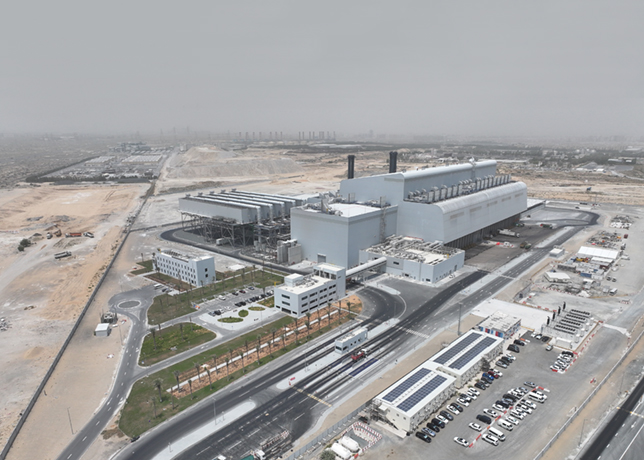
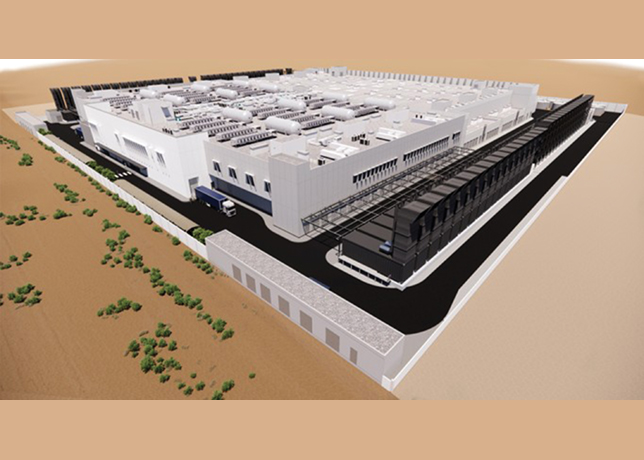
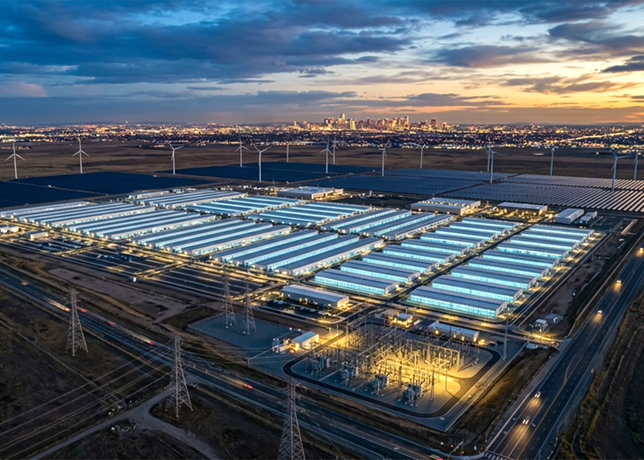
Warsan Waste Management Centre ... the world’s largest single-site facility of its kind
What is your realistic annual production ceiling in Dubai, and what happens when local collection can no longer keep up?
UCO is definitely not an infinite resource and we have been clear from the outset that BiOD Technology is not positioned as a single feedstock solution but as one factor of a much wider future fuel strategy.
Dubai still has far more untapped potential, especially in terms of collection efficiency and participation across households and the hospitality sector.
Our model is designed to evolve and in line with that, we are actively evaluating compliant regional sourcing opportunities and strategically advancing future pathways into advanced biofuels and alternative feedstocks that extend beyond UCO.
Our long-term vision is not limited by one resource stream but driven by a future-ready pathway that encourages circular resource utilisation.
This also opens the window to more collaboration and scaling opportunities.
Critics worry about greenwashing in the waste-to-fuel space. How is BiOD ensuring full traceability and International Sustainability and Carbon Certification (ISCC) certification?
As an ISCC-certified company, BiOD Technology upholds the highest standards of sustainability and regulatory compliance.
It operates under strict protocols, which require end-to-end traceability across the entire value chain from feedstock collection to final processing.
We also recognise the significance of transparency and environmental responsibility, as scrutiny in the waste-to-fuel space is increasing.
Our commitment is to strengthen third-party verification and disclosure over time. In this current market, we consider robust governance as our strategic operational priority.
Relative to DUBAL’s overall portfolio, is this project still not a tiny drop compared with the emissions from your core aluminium smelting operations?
At DUBAL Holdings, each initiative plays a unique role, which collectively forms a coherent and balanced pathway to lower overall carbon intensity over time.
Since aluminium remains the key component of our industrial portfolio, it naturally accounts for the largest share of our emissions footprint.
Within our aluminium operations, we are advancing structural decarbonisation through energy efficiency improvements, cleaner power integration and low-carbon product innovation.
It is true that compared to our smelting operations, BiOD’s operations are smaller in scale.
However, the (BiOD) company addresses a different part of the value chain, particularly mobility and logistics, where it delivers measurable emission reduction through a circular fuel pathway.
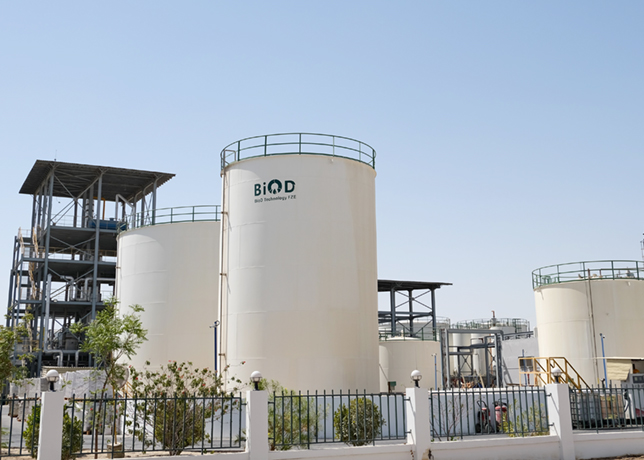
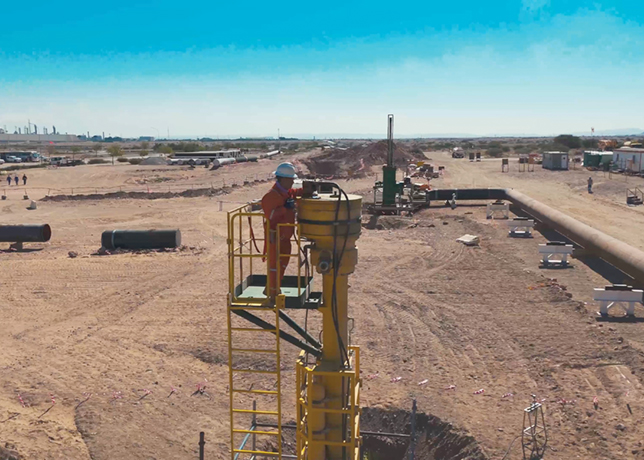
The BioD plant scales biodiesel from used cooking oil
How does the emissions data from your Warsan waste-to-energy plant compare with the BiOD biodiesel project, and why is the spotlight more on biodiesel?
Both Warsan and BiOD are critical in how they address different parts of the sustainability equation.
Our investment in the Warsan waste-to-energy facility and BiOD Technology serves fundamentally different, yet complementary, roles within our broader circular economy strategy.
Warsan operates at industrial scale, processing thousands of tonnes of municipal waste daily and contributing to baseload energy generation.
Its emissions are continuously tracked under a stringent environmental monitoring system.
Meanwhile, BiOD Technology is a more targeted intervention; the facility transforms a specific feedstock into a transport-ready fuel delivering immediate emissions reductions across sectors like mobility and logistics.
The reason biodiesel often receives greater visibility is its replicability and its direct application in decarbonising hard-to-electrify sectors; though small in scale, its impact is noticeable.
Considering you describe DUBAL as “integrating circular economy principles within large-scale industrial operations”, what percentage of EGA’s output is actually recycled or low carbon today, and what is the binding target for 2030?
Aluminium remains the majority of our production today, highlighting both realities of global demand and the scale of our operations.
And despite the increased demand, our efforts to transition towards low-carbon aluminium are actively underway.
We are progressively increasing our recycled aluminium capacity and expanding the share of low-carbon products, like aluminium produced using renewable energy inputs.
By 2030, our objective is to significantly increase the share of both recycled and low-carbon aluminium within our overall portfolio, reinforcing our commitment to sustainable industrial growth.
This is not an overnight process, it is a deliberate transition to move from a predominantly primary aluminium production model toward a more diversified, lower-carbon portfolio over time while aligning with the market demand and climate priorities.
In November 2025, you signed a power-purchase agreement locking in gas-fired electricity from Al Taweelah until 2049. How do you square that long-term fossil commitment with your public decarbonisation narrative?
At DUBAL Holdings, we strongly believe that a smooth energy transition requires a balance between ambition and system reliability.
In line with this, we have agreed to acquire EGA’s power and water generation assets in Al Taweelah for AED7 billion in partnership with Abu Dhabi National Energy Company (TAQA).
And while our long-term commitment is aligned with Net Zero 2050, the pathway must ensure operational continuity for energy-intensive industries such as aluminium.
At the same time, we are also advancing parallel investments in renewable energy, efficiency improvements, and emerging technologies.
The recent Al Taweelah deal is projected to cut 3.5 million tonnes of CO2 annually by 2035. However, that’s still only about 3 per cent of Abu Dhabi’s emissions.
We believe that focusing solely on percentages can understate what is materially being delivered.
A reduction of 3.5 million tonnes of CO2 annually by 2035 is a remarkable achievement in all means, especially in sectors that are widely recognised as harder to decarbonise.
The truth is that industrial decarbonisation at this large scale is not driven by a single decision or process; it is the end result of multiple interventions that are practical, scalable and can be sustained over time.
Each of these efforts contributes differently, some deliver immediate reductions, others reshape the system over a longer horizon.
Through the Al Taweelah agreement or BiOD Technology’s acquisition, we aim to make steady, real progress by aligning with national goals, delivering tangible results today and contributing towards a lower-carbon future.
Last year Guinea revoked your Guinea Alumina Corporation concession, citing mining-code violations, and you took a $765-million hit. How is this consistent with your claim of “environmentally responsible” and “sustainable” commodity investments?
We are unable to comment on this at this time.
Looking at the full picture, what single metric will define whether you have genuinely powered a circular energy future by 2030?
As a government-backed holding company, our key objective is to deliver both economic value and meet long-term sustainability ambitions.
Last year, we recorded resilient performance and continue to perform strongly despite prevailing market challenges, further contributing to the overall strength of our portfolio.
We made several tangible progress, with key milestones achieved in 2025 across biodiesel production and sustainable waste management.
These achievements reinforce our market position while supporting Dubai’s broader sustainability agenda under the guidance of the nation’s wise leadership.
If brought down to a single factor that can define our success by 2030, it will be the clear and measurable reduction in the carbon intensity of our overall portfolio, alongside a meaningful increase in the share of revenue generated from circular and low-carbon businesses.
We strongly believe that our role in strengthening a circular energy future will be measured by the ability to demonstrate that environmental responsibility and economic performance are not competing priorities but mutually reinforcing outcomes.