












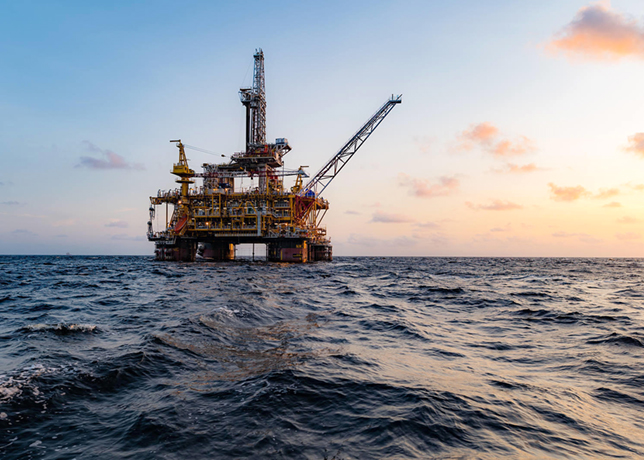













DaANA Gas, the Middle East’s first and largest regional private-sector natural gas company, has announced an exit rate of 32 thousand barrels of oil per day equivalent for 2007, exceeding company expectations.
The early production from two new discoveries has contributed substantially to the favourable production rate and brings significant development potential to Egypt.
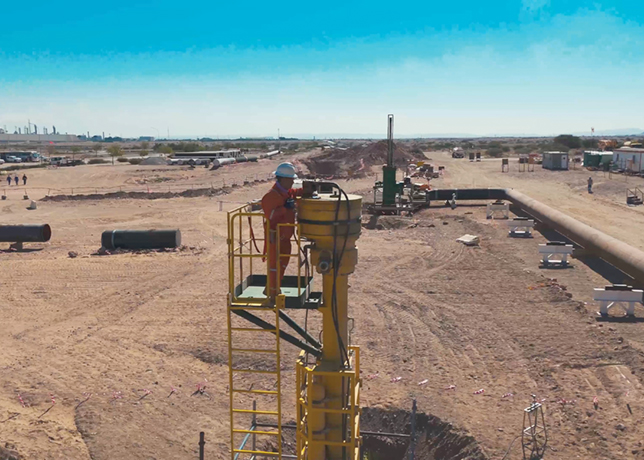
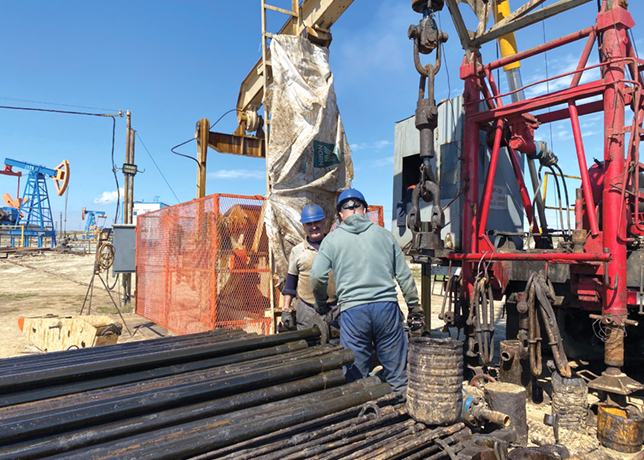
The Al Baraka discovery well has produced the first oil ever in Upper Egypt. In the short period of four months from discovery to first production, the first shipment of oil was delivered to the Assyut Refinery on December 27.
The discovery was hailed by the Egyptian petroleum minister, Sameh Fahmy, who visited the site and named the new field Al-Baraka (meaning blessing in Arabic). The minister was accompanied by General Samir Yousif, governor of Aswan; Hassan Akl, the chairman of the state company Ganoub Al-Wadi Holding Petroleum Company (Ganope); and Dr. Hany Elsharkawi, Dana Gas Egypt country director.
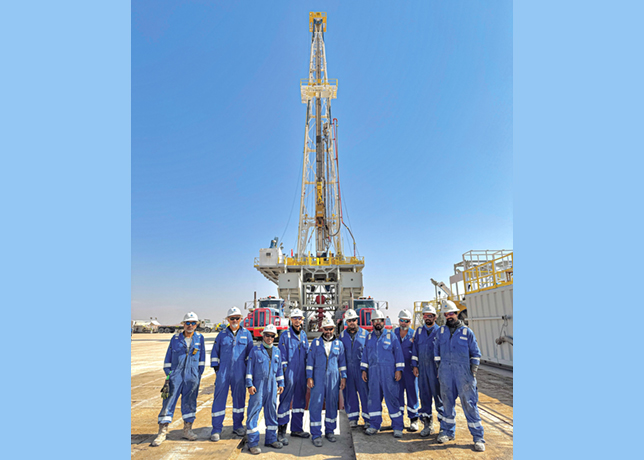
The Dabayaa-2 delineation well was drilled on the eastern side of the West Manzala concession in the Nile Delta to appraise the Dabayaa-1 discovery well in the Lower Abu Madi Sandstone formation. A new discovery was made in the Upper Abu Madi formation, and the well has added over eight million cubic feet of gas per day and 240 barrels of condensate per day to Dana Gas’s production.
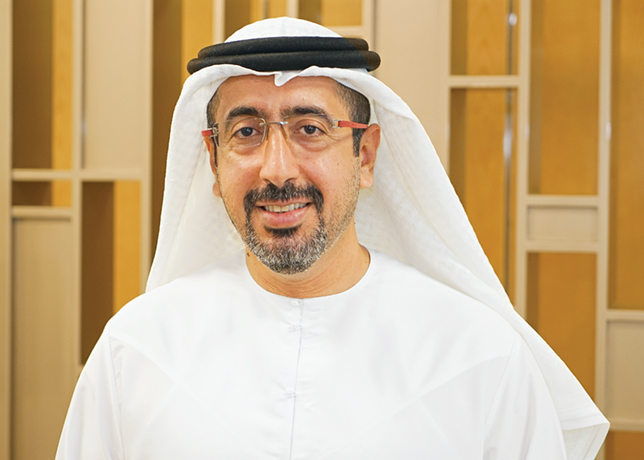
Dr Hany Elsharkawi, Dana Gas Egypt country director, expressed the company’s pride in producing the first oil in Upper Egypt and the rapid hook-up of the Dabayaa-2 well, saying: “We are excited about our recent successes, which confirm our confidence in the development opportunities in both the Upper Nile and Lower Egypt concessions”.
Rashid Saif Al Jarwan, general manager of Dana Gas, adds: “The year 2008 will be a busy one for Dana Gas, with an active exploration and drilling programme continuing in Egypt, as well as the startup of our major projects in the UAE and Northern Iraq. We are also actively evaluating a number of other interesting opportunities in the Middle East and North Africa.”
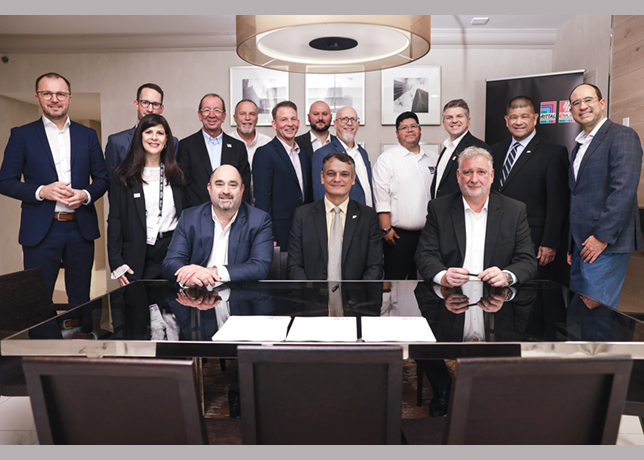
Meanwhile, Dubai Multi Commodities Centre (DMCC) and EcoSecurities have announced the signing of a strategic alliance agreement with Dana Gas and Crescent Petroleum of Sharjah, to jointly develop emissions reduction projects in the oil and gas sector, under the Kyoto Protocol’s Clean Development Mechanism (CDM).
Under the terms of the agreement, Dana Gas and Crescent Petroleum will identify projects across their regional oil and gas operations to reduce greenhouse gas emissions and improve energy efficiency. EcoSecurities and DMCC will facilitate the development of the CDM component of these projects, and create value by trading the Certified Emissions Reduction (CERs) credits thus generated.
In addition, DMCC and EcoSecurities will collaborate with Dana Gas and Crescent Petroleum to jointly identify opportunities to work with other energy companies and governments throughout the region, to reduce their greenhouse gas emissions.
Dana Gas is the largest private-sector natural gas company in the Middle East, while Crescent Petroleum has been a leading player in Middle East oil and gas exploration and production sector for over 35 years. DMCC is a strategic Government of Dubai initiative providing innovative concepts and industry-specific physical and market infrastructure products that facilitate the growth of the energy and commodities business in the Middle East. EcoSecurities is one of the world’s leaders in the business of sourcing, developing and trading carbon credits from greenhouse gas emission reduction projects.
Dana Gas and Crescent Petroleum’s strategic and technological expertise in the oil and gas sector combined with DMCC and EcoSecurities’ expertise in CDM project development is expected to create an extremely strong collective partnership. Together, the partners will be ideally placed to jointly pursue such projects, while also assisting other energy companies and regional governments seeking to reduce their carbon footprint.
“Emissions from the oil and gas sector form the largest part of the Middle East’s carbon footprint, and DMCC is delighted to partner with Dana Gas and Crescent Petroleum to reduce this impact,” says Ahmed Bin Sulayem, executive chairman, DMCC.
“Such cooperation puts Dubai, Sharjah and the UAE at the forefront of the regional development and trading of carbon credits.”
This strategic alliance will pioneer the development of CDM in one of the world’s most carbon intensive industries,” adds Adrian Fernando, chief operating officer of EcoSecurities. “It will encourage sustainability and efficiency throughout operations across the region.”
“Crescent Petroleum is firmly committed to the Kyoto Principles and to playing an active role in benefiting our environment through a proactive approach to clean emissions solutions,” says Badr Hamid Jafar, executive director of Crescent Petroleum.
“Our partnership with DMCC and EcoSecurities brings together a powerful consortium to achieve this important aim across the Middle East oil and gas sector.”
Rashid Saif Al-Jarwan, general manager of Dana Gas, adds: “Since its establishment, Dana Gas has aimed to conduct its operations to international standards, and we involved the World Bank Group in devising our corporate environmental policies. This partnership in the area of CDM is the logical next step, applying market techniques to enhance the environmental benefits of major energy projects in our region.”
In June 2007, DMCC and EcoSecurities signed a memorandum of understanding to promote CDM projects and generate emission reduction credits within the UAE, while raising the profile of Dubai as a regional centre for carbon emission reductions and trading.