








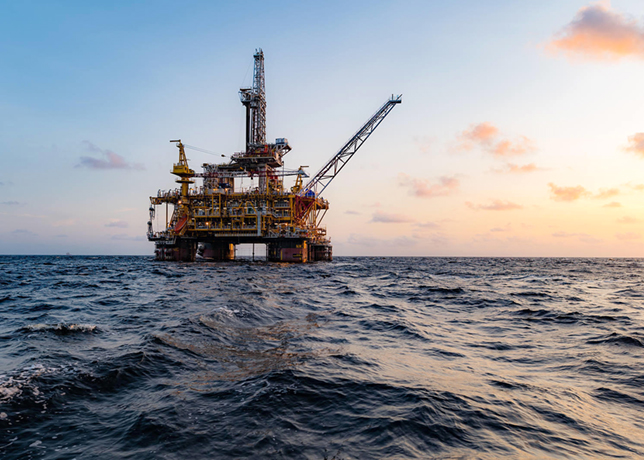













THE Abu Dhabi National Oil Company (Adnoc) has pledged to protect the environment by putting in place internal standards that push the company to decrease its impact on the Earth.
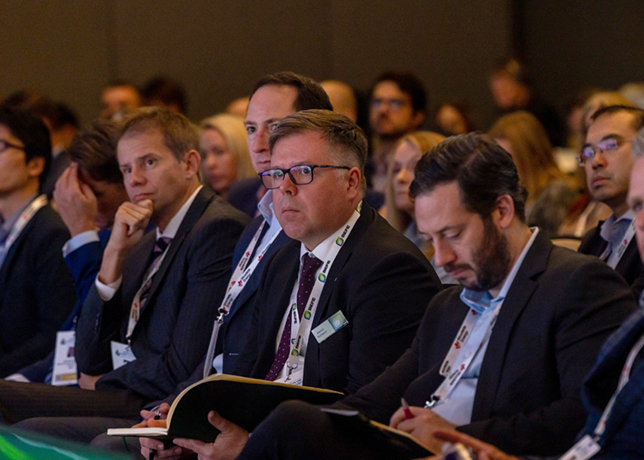
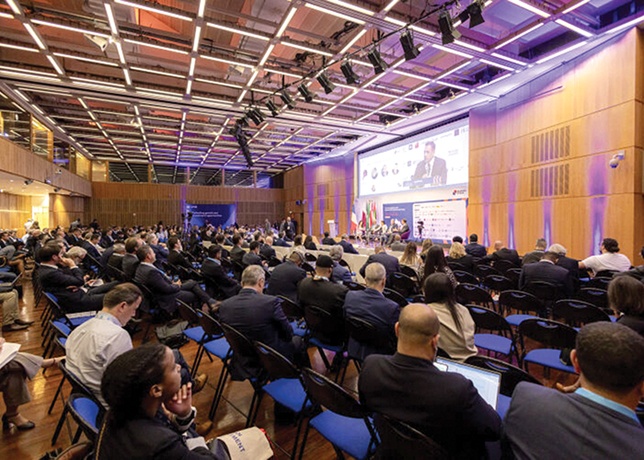
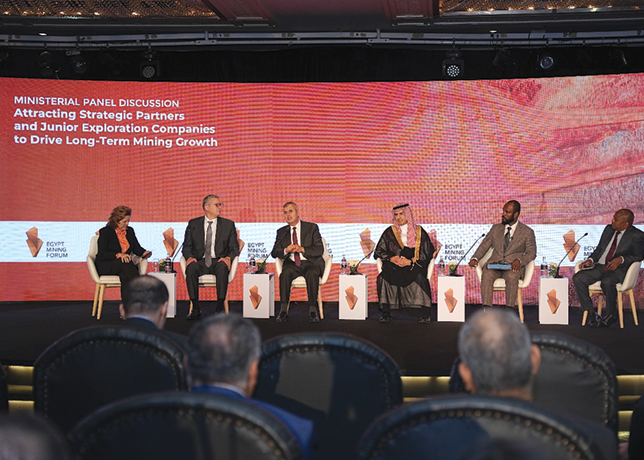
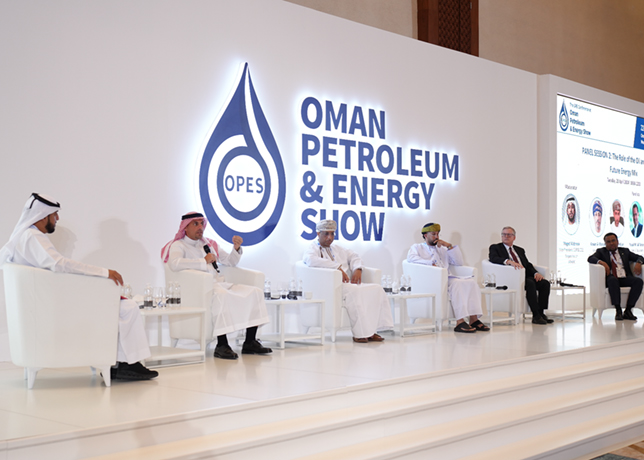
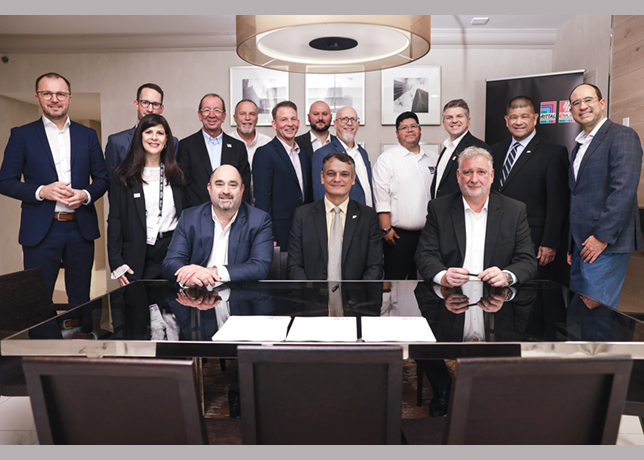
The government-controlled company, one of the largest oil producers in the world, made the commitment at the Arab Corporate Environmental Responsibility Summit organised by the Abu Dhabi Environment Agency and other local and international organisations.
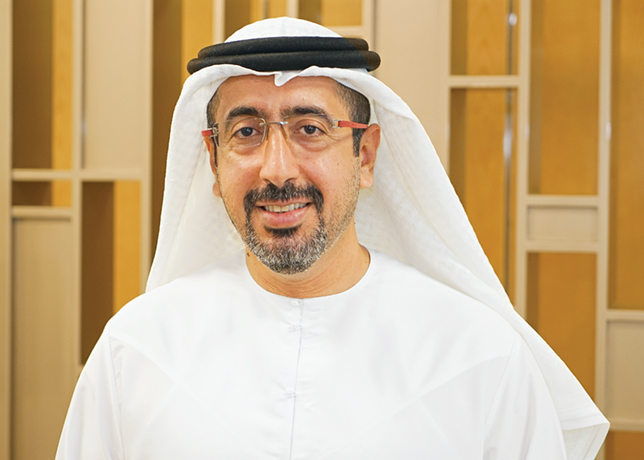
“Adnoc and its group of companies are fully committed to environmental protection through a set of laws, corporate policies and codes of conduct,” says Ali Rashid Al Jarwan, general manager, Adma-Opco.
He says leadership, commitment, policies, laws, management systems and corporate social responsibility form a strong bond that helps the group to shoulder its environmental responsibility.
“Leadership, like a waterfall, flows downward through community and organisation. People tend to use their leaders as a model, following their behaviour. Adnoc applies an integrated prevention strategy to process products and services to reduce risks to humans and the environment, and enhance social and economical benefits,” he says.
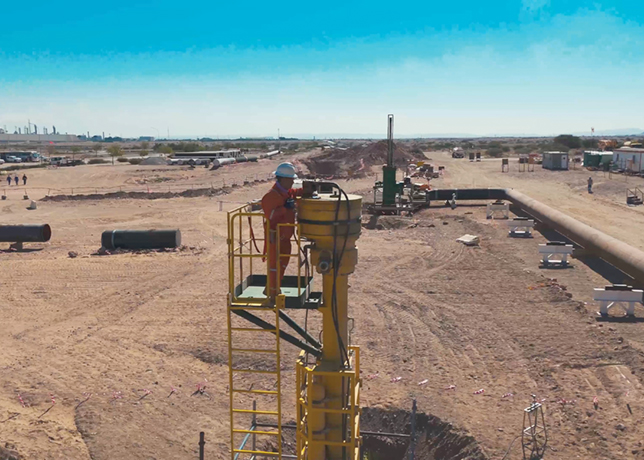
“We use the latest environmental management systems to ensure continuous improvement,” he says, adding that one of the major achievements of the group is the success made towards achieving a zero-flaring goal through upgrading facilities.
Meanwhile, the Abu Dhabi Environment Agency has urged all businesses in the emirate to live up to their promises concerning the environment and to take preventative measures to protect the earth.
The agency says the Arab Environment Ministers Council has approved Abu Dhabi’s Declaration on Corporate Responsibility and Cleaner Production, which called for the private sector to support environmental protection efforts.
“The protection of the environment is the responsibility of all business sectors. They have to contribute to environmental protection efforts and need to invest towards this,” Majid Al Mansouri, secretary-general of the Environment Agency, says.
In order to achieve this goal, he says, the agency is working with different sectors to implement an Environment, Health and Safety policy and the Environment, Health and Safety Management System at the emirate level so that sustainable development is integrated into every step of corporate strategies.
“Financial achievement should not be the only goal of companies. Their corporate responsibilities should include environmental protection and social development. The environment, health and safety management must be considered in any new project,” Al Mansouri says.
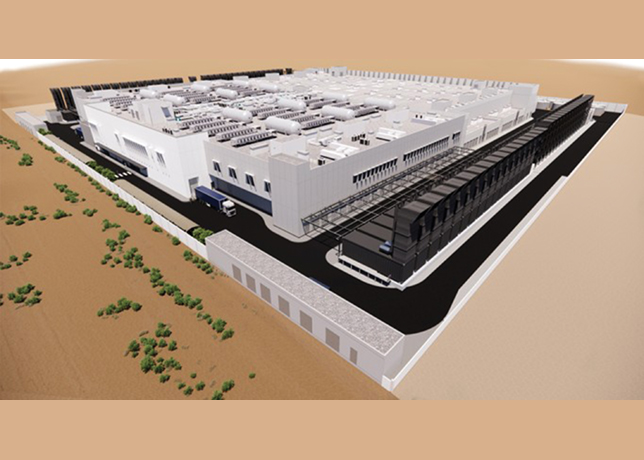
The world’s first carbon-free city is set to break ground in Abu Dhabi in February. Masdar, which means the source in Arabic, will cost more than $1 billion to build and will be a pioneering development in the heart of the capital near the Corniche and Zayed City.
“This is a big change to the development in Abu Dhabi and the rest of the UAE in general. It will be the benchmark for future developments not just in this region but in the world,” says Khaled Awad, director of property development.
Covering a six sq km area, the first phase of the community will be the construction of a research-based university and the headquarters for Masdar’s global operations.
When all four phases of the city are completed in 2017, the Masdar community will be home to some 100,000 residents whose homes will be fitted with energy saving devices and will rely on zero-emission public transport inside the walled city.
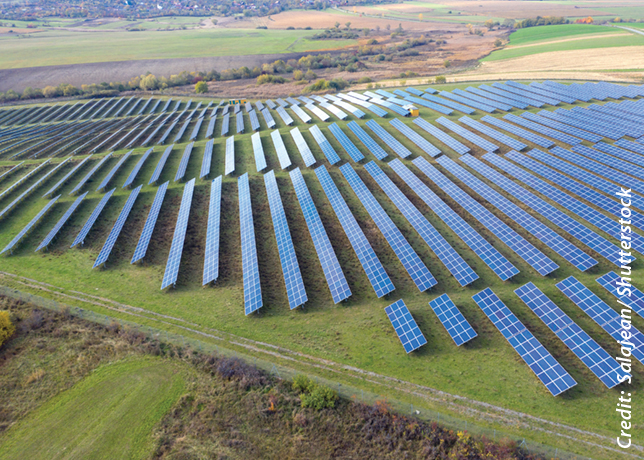
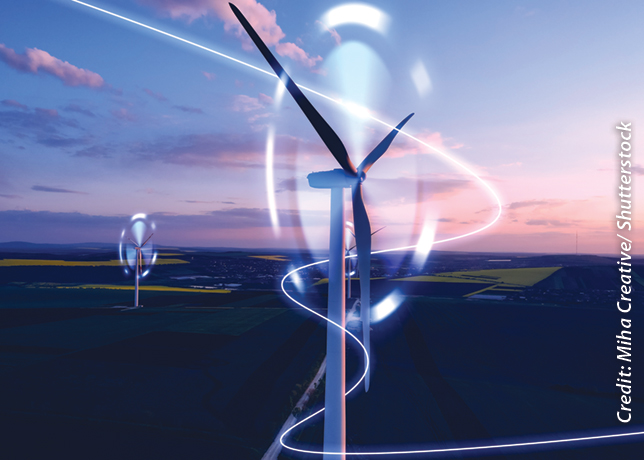
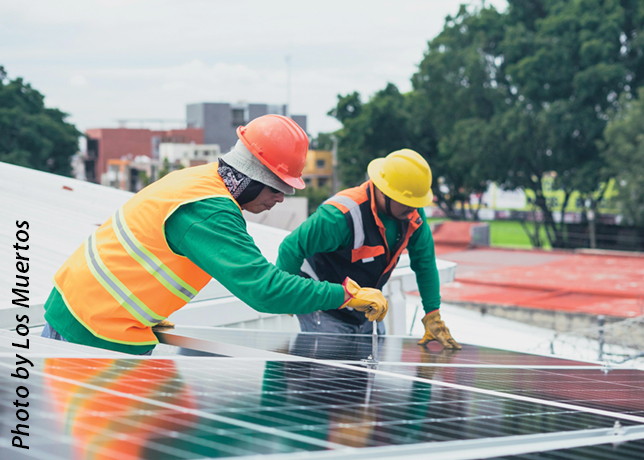
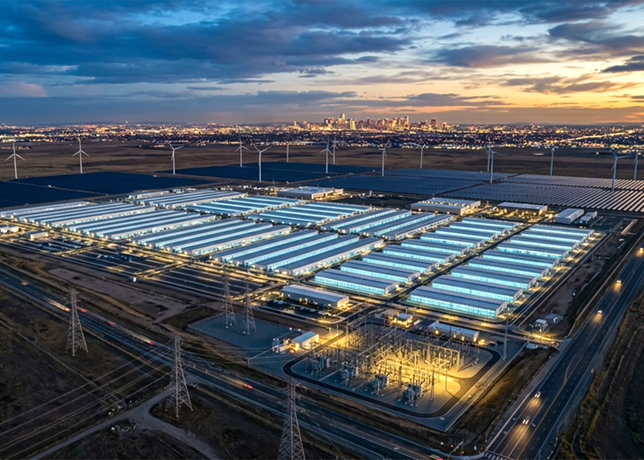
Key features will be the use of waste for energy generation and the extensive use of photovoltaic technologies, which use heat from the Sun and turn it into energy. Outside the walled city zone will be a desalination plant, wind farm, a tree plantation programme to create bio-fuel and sewerage and water treatment plants to service the residents’ homes.