
































Latvian oil terminal Ventspils, 49 per cent owned by oil trader Vitol, needs to modernise in order to survive in competitive market conditions, the chairman of the company said.
Vitol's involvement in the terminal, the largest on the Baltic Sea, has allowed it to boost shipments and help it recover from the loss of Russian crude after Moscow closed its oil pipeline in 2003.
Two weeks ago, Vitol and Ventspils said the terminal will undergo a modernisation process and move into the long-term storage and blending of oil products. The other partner in the terminal is Latvian holding company Ventspils Nafta.
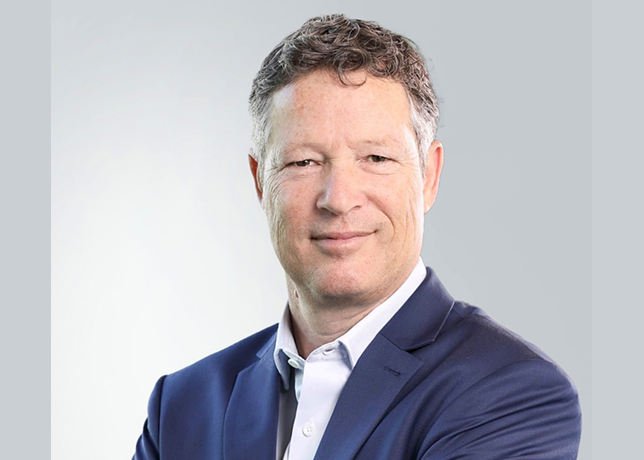
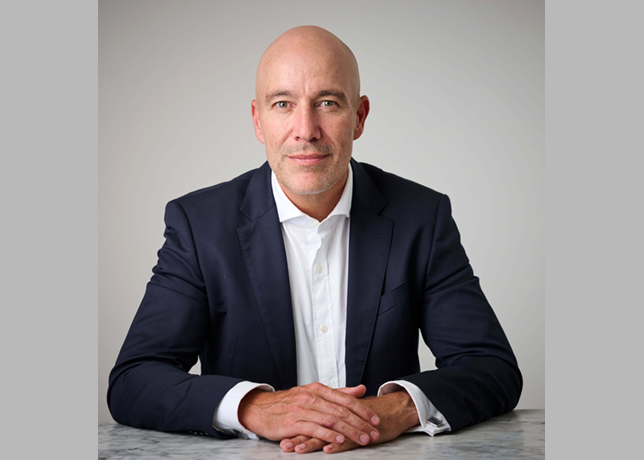
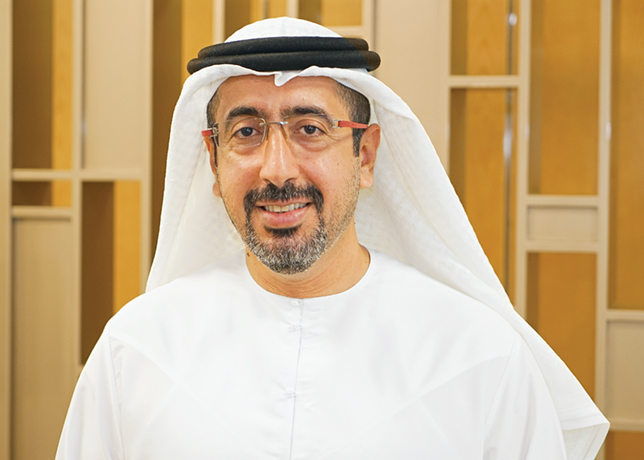
Ventspils chairman Ronald Okker, an appointee of Vitol, said the modernisation plans were vital.
“ ... if the terminal does not take these decisive steps to ensure the company’s long-term perspective ..., that may impose a threat on the successful operation of VNT in the current market situation," he said in an email to Reuters.
He said the terminal had undergone regular changes since 2003 to work more effectively. The aim had been to "ensure the company's performance and even survival" after volumes fell following the crude oil cut by Russia.
“During these years and even now, when the company is changing its focus to slightly different business niches, the most important thing is to obtain a successful performance by the terminal performance in its basic business activity-the handling and storage of oil and oil products,” he added.
He said the idea was to split out functions which, if continued, would reduce the terminal's competitiveness.
