

















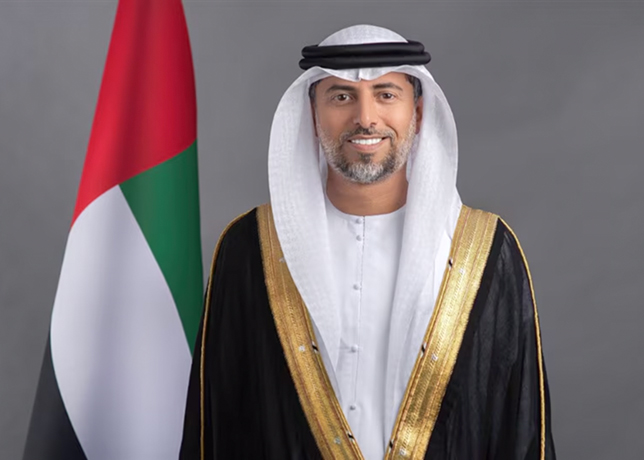

Nogaholding came into being some 18 months ago out of Bahrain’s decision to set up a $2.6-billion oil and gas holding company aiming to reduce the government’s role in the energy sector. As a strategic entity the company is investing its funds in the ownership of existing and new ventures within or outside the kingdom.
Nogaholding’s first project was the $400-million lube base oil plant with Neste and Samsung.
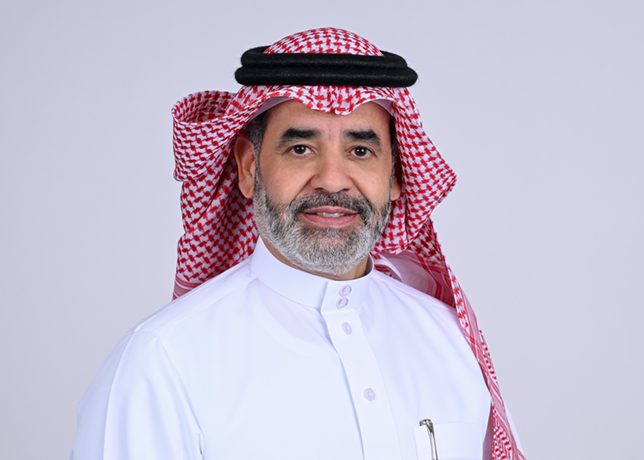
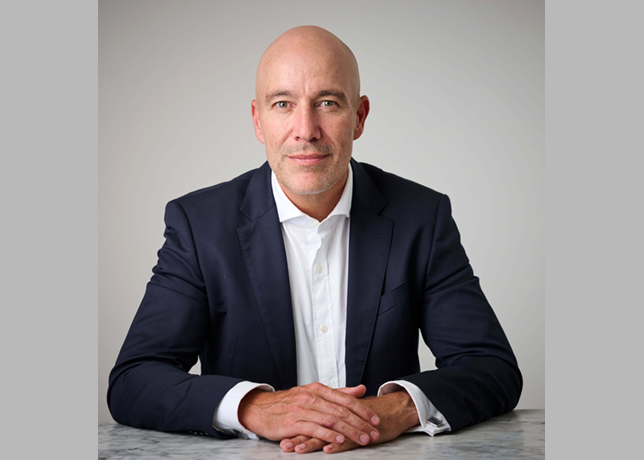
“Nogaholding is now considering the diversification of it activities beyond the geographical boundaries of Bahrain and outside the conventional business activities,” says Minister of Oil and Gas Affairs and chairman of the National Oil and Gas Authority (Noga), Dr Abdul-Hussain bin Ali Mirza in an interview with OGN.
Referring to the global economic gloom, the minister says a downturn is also an opportunity to pick up assets when they are priced low.
“When the business environment is good, we invest in building capacity and training and development of the human capital within the oil and gas sector. Moreover, we provide the government with the necessary funds to build the infrastructure in the kingdom and to develop the other sectors of the economy in line with the kingdom’s strategic plans and its year 2030 economic vision.
“On the other hand, during economic downturns, when prices and profits are low, assets worldwide are valued lower and present buyers with opportunities to acquire strategic assets at bargain prices; it is a matter of timing, strategic analysis and quick decision making,” the minister says.
Excerpts from the interview:
What prospects do you see for the company in the coming years?
The company has a mandate limited to the oil and gas and related business, and while crude oil price is currently low, we believe there will always be opportunity for good investments in the oil industry.
The current global recession is probably bigger than most countries expected, but we have been used to business swings in both the oil and the petrochemical industry. Good operating margins are invariably experienced during the period of global industrial growth as has been the case since 2004, and periods of good margins inevitably lead to operating companies making significant investment in manufacturing capacity. Generally this is followed by an overcapacity situation and reduced operating margins.
As a holding company investor we believe that opportunity exists by supporting investments in capacity ahead of high growth periods. The Low Sulphur Diesel project at the Bahrain Refinery was an example of this type of investment. Not only was the investment kept low by investing early, but also the benefits of the project were quickly realised by providing the product demanded in the marketplace.
On the other hand, periods of low margin leads to lower valuation of assets and hence should the opportunity arise we will be considering the acquisition of oil and gas related assets during the global economic downturn.
Investment prospects are always available and we adjust the type of investment to the business circumstances at any point in time.
What is the status of your first project – the lube base oil plant project with Neste and Samsung?
The lube base oil project is a reflection of the government strategy, guided by nogaholding from a business sense, and by Noga from a political sense, to diversify the sources of income. We believe this to be consistent with the national strategy.
Very high quality base oils are in great demand in Europe and we believe that this trend, supported by the need for more environmentally friendly products, will extend to North America and Asia in the next five years.
The base oil project is a joint venture between nogaholding, Bapco and Neste. Neste, a Finnish company, is the leading marketer of these products in Europe. The total equity shareholding of nogaholding and Bapco is 55 per cent.
Samsung is the selected engineering contractor for the detailed design, and currently the detailed design is progressing in the Seoul offices of Samsung. A highly skilled technical project team comprising largely Bapco staff is located in the Samsung office and overseeing the project by looking after the interests of the shareholders.
Preparations are already in place for the new plant to be located in the Bahrain Refinery. The project is progressing very well and on schedule.
How many projects are nogaholding involved in today? Which are they?
The oil industry in Bahrain is extremely dynamic at this point in time. There are developmental activities related to the exploration of offshore blocks, the Bahrain oil field and the production of additional gas. Further each operating company has a long-term strategic plan, consistent with the creation of shareholder value, and consistent with the long-term aims of the country.
Nogaholding is also considering the diversification of current activities beyond the geographical boundaries of Bahrain and outside of the conventional business activities.
We are extremely busy building the capability to examine and analyse further opportunities and we do this in conjunction with our operating companies. Not all opportunities turn out to be good after analysis and many opportunities fail to meet our expectations regarding risk, value and potential.
Which are the projects in the pipeline?
Projects in the pipeline include, but are not limited to, the upgrading of hydrocarbons available to us, meeting the demand for fuels within Bahrain, and meeting the demands for high quality products in preferred marketing areas overseas.
nogaholding is also very supportive of investments to improve the environment and we are extremely pleased that our operating companies are showing regional and global leadership in this area.
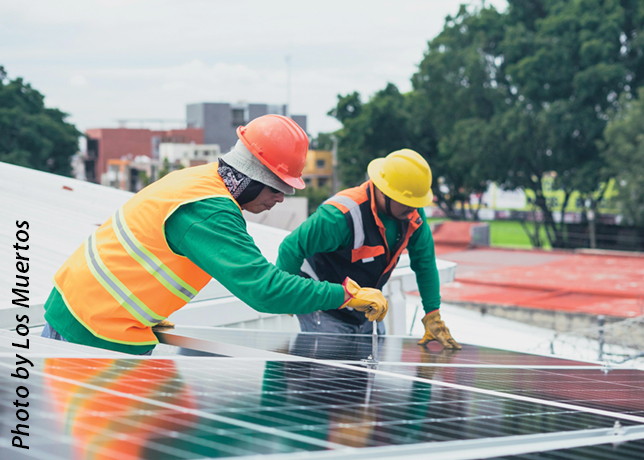
We have also been looking into a whole series of projects ranging from bio-fuels to solar energy and petrochemicals to desalination. Many organisations offer us opportunities, but after our evaluation we find that many could destroy value for the nation rather than create it. Due to the world financial crisis, the economics and viability of these projects are questionable and we may reassess in the future when the business environment is appropriate.
How is the global slowdown affecting nogaholding’s projects?
The global economic slowdown is also impacting the oil and petrochemical industry. The Organization of Petroleum Exporting Countries (Opec) had stated that world oil demand will contract more sharply than expected this year due to the economic crisis. The demand for crude oil and petroleum products actually fell in 2008 and is expected to fall in 2009.
Opec revised its global demand forecast and now predict that during 2009 we will see a fall in demand of 580,000 barrels per day (bpd) to a total global demand of 85.13 million bpd. Its previous forecast was for demand to contract by 180,000 bpd. This situation results in lower crude oil price, lower operating margins and lower profitability. We continually assess the situation with regular financial review of our subsidiaries and regular dialogue with the chief executives of each subsidiary.
On the other hand, we are still planning for significant investment over the next five to ten years. This investment is necessary for us to ensure the long-term viability of our investments, and the sustainability of long-term profitability.
When the business environment is good, we invest in building capacity and training and development of the human capital within the oil and gas sector. Moreover, we provide the government with the necessary funds to build the infrastructure in the kingdom and to develop the other sectors of the economy in line with the kingdom’s strategic plans and its year 2030 economic vision.
On the other hand, during economic downturns, when prices and profits are low, assets worldwide are valued lower and present buyers with opportunities to acquire strategic assets at bargain prices; it is a matter of timing, strategic analysis and quick decision making.
Although economic downturns present new challenges, they also create new opportunities. We just have to think differently and revise our investment strategies taking into consideration the business threats and opportunities created by the new environment.
Are you finding it difficult to obtain finance for any project? If so which project faces delay on that accord?
While we are aware that globally there are major problems in the area of bank lending and financing of projects, we are fortunate that the financing of our share for the lube base oil project has been secured and will not cause any delay to that project.
With respect to future projects we are still putting together sound, low-risk investments which may require financing, and it is our view that local banks will look upon these investments favourably.
What advantages do you have as a holding company? What are the drawbacks?
The advantages of being a holding company are many. As a holding company, we are in a better position to secure loans for our investment projects compared to subsidiary companies as shares of stock in the subsidiary companies are held as assets on the books of the holding company and can be used as collateral for debt financing.
nogaholding and it subsidiary companies are considered separate legal entities. Therefore, assets of the holding company and those of the subsidiaries are protected against creditors’ claims against one of the subsidiaries. We have a decentralised management structure, in that subsidiary companies retain their own management team and their own corporate identity, but are responsible to nogaholding on a profit and loss basis.
We provide strategic direction for the subsidiary companies and ensure that their vision and strategic plans are in alignment with those of Noga and the kingdom. We are also responsible for setting performance targets for the subsidiaries and ensuring continuous improvements, profitability and competitiveness.

 DSC1285.jpg)


