














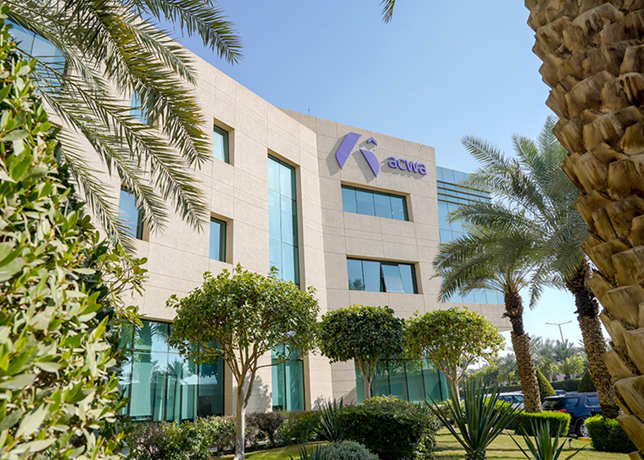











THE Bahrain National Gas Company (Banagas), 75 per cent owned by the government of Bahrain, 12.5 per cent by Caltex Bahrain and 12.5 per cent by the Arab Petroleum Investment Corporation achieved record sales of $272 million in 2008 and was able to contribute over $150 million to the national economy.
The company was formed by an Amiri Decree with the primary objectives of processing associated gas into marketable products, supplying residue gas for local industrial use and to provide employment and training opportunities to Bahraini Nationals.
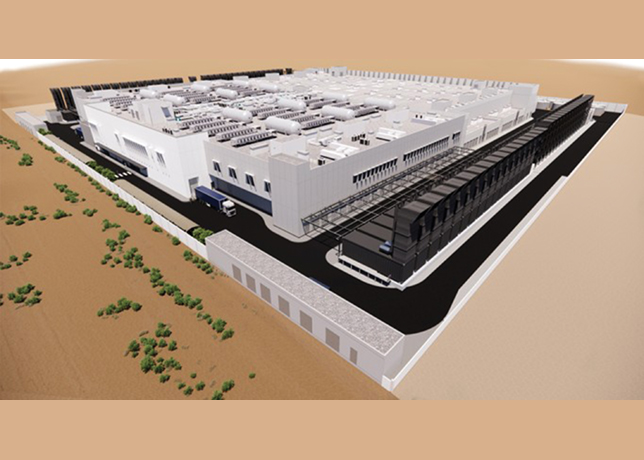
The plant facilities were officially inaugurated on December 17, 1979 and the first shipment lifted in early 1980. Propane, butane and naphtha products are exported worldwide. The residue gas, mainly methane and ethane, is routed to Aluminium Bahrain (Alba), the Bapco refinery and Riffa power station.
Over the early years, plant capacity was increased from the original design of 110 million standard cubic feet per day (mmscfd) to accommodate 170 mmscfd and in 1988, a $75-million expansion project was undertaken to upgrade capacity to 280 mmscfd. This project, which was implemented by the government of Bahrain as a sole venture, came on stream in 1990.
However, in recent years demand for gas in Bahrain has overshot supply prompting Bahrain government to consider gas import options. In fact, it has already been reported that Bahrain plans to sign agreements with Iran and Qatar next year for the purchase of gas.
Will the potential deal fructify in the wake of current economic downturn and low oil prices? Will the planned import of gas be enough to meet the increasing demand of the kingdom? Is Banagas doing enough to remain productive and increase efficiency in the current tough times?
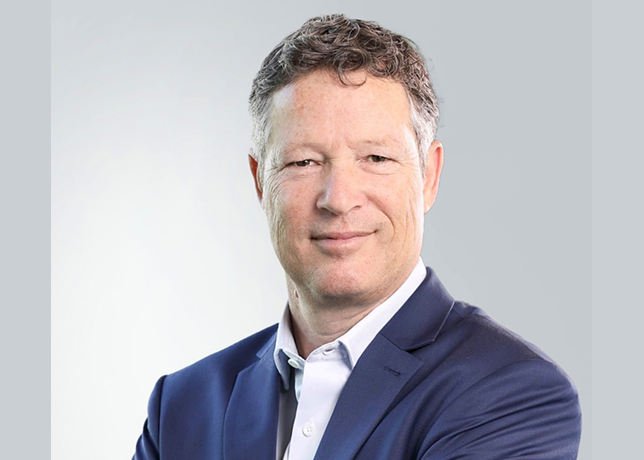
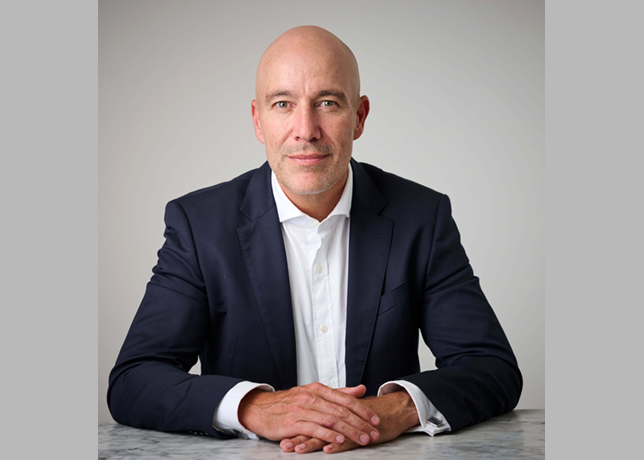
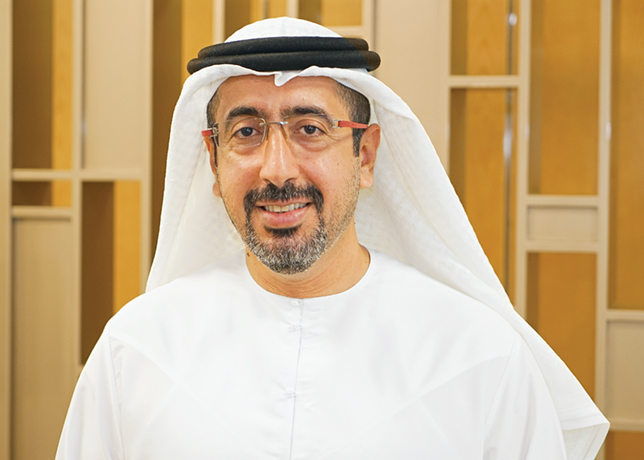
Banagas general manager Dr Sheikh Mohamed bin Khalifa Al Khalifa attempts to answer these questions and more in an exclusive interview with OGN.
What is the current demand-supply situation for gas in the Kingdom of Bahrain? What steps are being taken to meet the increasing demand? Has Banagas drawn up any new expansion plan to produce more gas?
The current demand-supply situation ranges between 4 per cent and 6 per cent every year, due to the increased development of residential areas and the expansion of major industrial companies. Gas will certainly continue to play an important role in the region, and in Bahrain in particular.
The kingdom through the National Oil and Gas Authority (Noga) has formed working teams to discuss the supply of gas to the Kingdom from Qatar and Iran, and we are hoping for a fruitful conclusion to such negotiations.
How much would the signing of Bahrain’s gas agreement with Iran help boost supply? Will Banagas look at increased imports of gas from any other country/region?
As a strategic plan, Banagas is always looking forward to increase supply of gas and continue to play an important role in Bahrain’s economy in coordination with the Noga. Banagas is working closely with Noga Holding Company to find more ways and means to utilise the import of gas to develop the industrial sector.
What are the short-term, medium-term and long-term measures to meet the gas demand in the region given that the number of gas-fired power stations and industries are going to multiply?
Due to anticipated shortages and limited resources we need to work hard to ensure we have sufficient supplies to meet the high demand for power generation, desalination and feedstock requirements in the growing sector. I believe that Noga has succeeded in taking all initiatives and action in inviting international oil companies (IOC’s) to explore and produce oil and gas in the kingdom’s onshore and offshore territories.
What measures are being employed by Banagas to improve productivity particularly at a time when the global economy is witnessing an acute slowdown?
We are implementing a performance management system to improve productivity; we use key performance indicators (KPIs) as a management tool at a corporate level and a performance management system for individual objectives. During the current year, in particular, we have encouraged the policy of working hard and increasing productivity, as a clear message to all employees. We are also closely monitoring all operating and capital expenses.
What was Banagas’ contribution to the national economy? What was the sales turnover of the company in 2008? What were the highlights of the year 2008 for Banagas?
Since its inception Banagas has made a significant contribution to the economy of Bahrain. For example, in 2008 we achieved record sales of $272 million and were able to contribute over $150 million to the national economy.
Banagas has been rated as an immensely successful company. What have been the factors that contributed to that success? What national and international recognition did Banagas win during the last year?
Banagas’ success criteria were laid down some years ago. One of the most important is the unique culture adopted and represented by the Board of Directors, the top and the middle management. At Banagas every employee believes in our core values, beliefs and our best practices.
We all work together to achieve our mission and vision by following a well thought out strategy which we have converted into a focused business plan. I can say that Banagas has succeeded in gaining the support of its employees to enhance our corporate culture and to achieve excellent performance levels.
There have been many achievements over the years and in particular in 2008. The ones we are most proud of have been the receipt of international, regional and national recognition for our levels of productivity and safety and also for our quality and human resources programmes.
Reducing the environmental footprint is part of any modern company’s policies. How has Banagas contributed to the protection of environment?
Banagas has always complied with the environmental regulations and standards applied in the kingdom. The company is committed to protection of the environment and works closely with the Directorate of Environment and Wildlife Protection.
We have engaged an environmental consultant to assist in the development and implementation of a Safety, Health and Environment (SHE) Management System which will be in compliance with ISO 14001:2004 and OHSAS 18001:1999.
How has the national leadership of the kingdom helped shape the vision of Banagas?
We very much appreciate and extend our gratitude to Bahrain’s leadership for their continued support to the company’s activities, expansion plans and strategic decisions taken. Our achievements would not have been possible without their encouragement. The formation of the Noga on September 2005 headed by Dr Abdul-Hussain bin Ali Mirza, the minister of oil and gas affairs was also an important step in the ongoing development of the oil and gas industry.
This initiative was supported by His Majesty the King and the Prime Minister through the issuing of a Royal decree to establish Noga with the objective of overseeing policies and supervising the oil and gas companies. Noga has succeeded in its critical role to provide more freedom, flexibility and independence to the management of the oil and gas sector in Bahrain.
How does Banagas ensure total quality in its operations? What have been your achievements in this regard?
Assessors from the British Standards Institute carried out two successful continuing assessments during 2008, confirming the continuation of the company’s Quality Management System certification to ISO9001:2000. Our internal audit process continues to focus on strategic areas and to measure performance in order to ensure consistently high standards.
What has been the level of Bahrainisation achieved by Banagas? How does the company tackle the issue of shortage of qualified manpower in the oil and gas sector?
Banagas’ total workforce is 433, of which 92 per cent are Bahrainis. In fact, we are very proud to reach this level. Before 2007 there was a real problem in attracting qualified manpower but this picture has been changed now and it is easily to employ qualified manpower nowadays especially from overseas.
What measures have been taken by Banagas to ensure 1) employee satisfaction 2) health and safety in the company?
We implement perception reports from different sources – management, employees and trade union – as a tool to identify employee satisfaction and we are proud to say that the vast majority of our employees are satisfied with their jobs, dedicated to hard work and team spirit.
A few years ago we conducted a safety perception survey to measure different aspects of safety – awareness, discipline climate and concerns – and the final results were very satisfactory. We intend to repeat this in the near future.


