











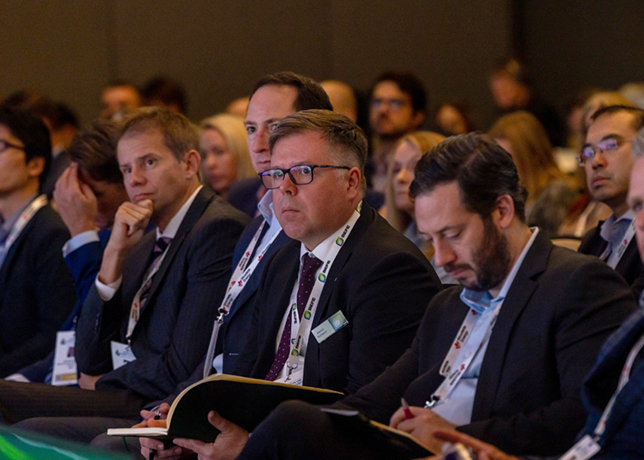
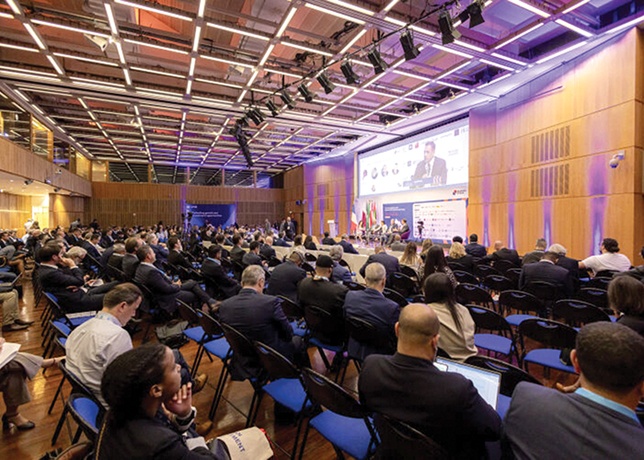
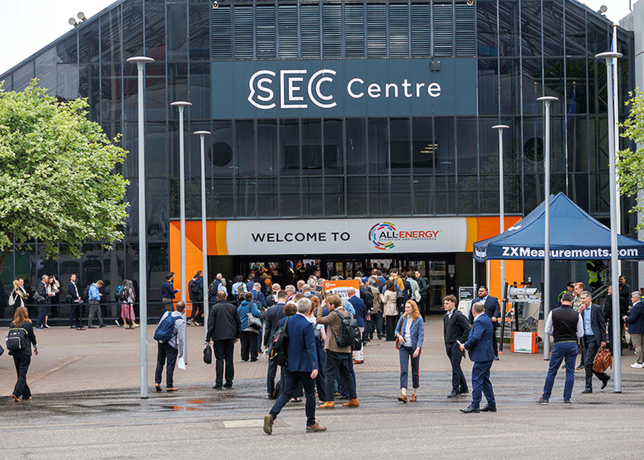














THE first international environment conference in Yanbu, which concluded recently, urged industries to apply the best available waste management and recycling systems as part of efforts to protect environment.
Experts who spoke at the conference also emphasised the need for converting industrial waste into energy, saying it could help save SR 40 billion ($10.66 billion) a year.
The experts say there are more than 600 plants in 35 countries which convert waste into energy. Burning solid waste into ash for energy recovery is the most common technology used in the world to convert waste into energy.
Detailing the ways in which waste is converted into energy, the experts said one is based on the steam system that uses waste incinerators which could generate between 450 and 550 KW/H of electricity per ton of solid waste.
Pyrolysis is another technology where high temperatures in the absence of oxygen is used to dismantle the carbon-rich organic material and produce three types of energy sources: solid coal (35 per cent), bio gas (40 per cent) and synthetic gas which is the mixture of carbon monoxide, hydrogen and carbon dioxide (10 per cent), the experts said.
They referred to some Saudi studies on environmental protection. They also touched on a Saudi project, the first of its kind in the Middle East, to convert waste into energy using plasma technology as is the case in Malaysia, Japan, the US, France and Germany. The Saudi project will cost SR 1.8 billion to convert 3,000 tonnes of waste into 120 MW of electric power per day, they told the conference.
Addressing the conference, Khaled Al Sulaiman, vice president of King Abdullah City for Nuclear and Renewable Energy, said the kingdom would have its first nuclear plant for producing electricity by 2020.
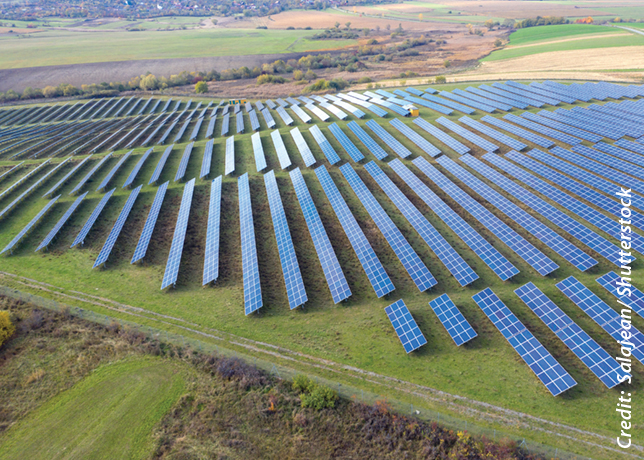
“Nuclear energy projects will be implemented after endorsing the Kingdom’s national plan in the beginning of 2013,” he said. He disclosed plans to establish a number of solar energy plants, adding that the first such plant would be ready in 24 months.
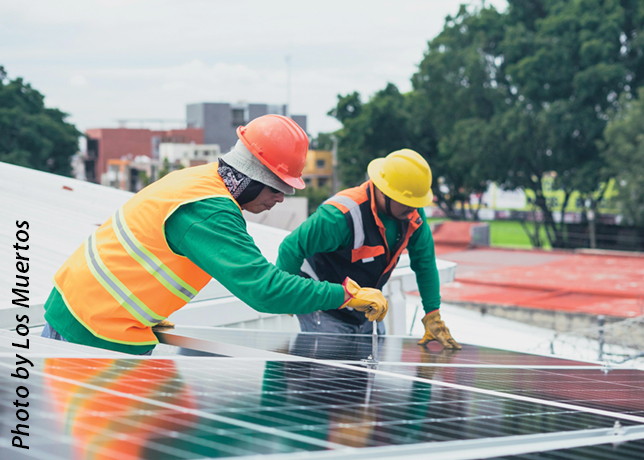
“Solar energy will supply 20 per cent of the kingdom’s electricity requirements,” Al Sulaiman said.
Reading out the recommendations, Ala bin Abdullah Naseef, CEO of the Royal Commission for Yanbu, said: “All firms should take steps to manage their waste in a professional and hygienic manner following international standards.” The conference proposed to conduct intensive training courses for government and private workers dealing with industrial waste and other dangerous material on how to do their work properly without causing harm to themselves, others and the environment.
PIPELINE TO RECYCLE WASTE HEAT
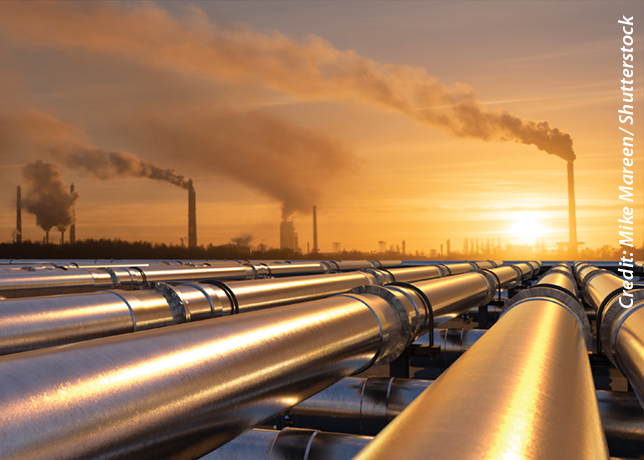
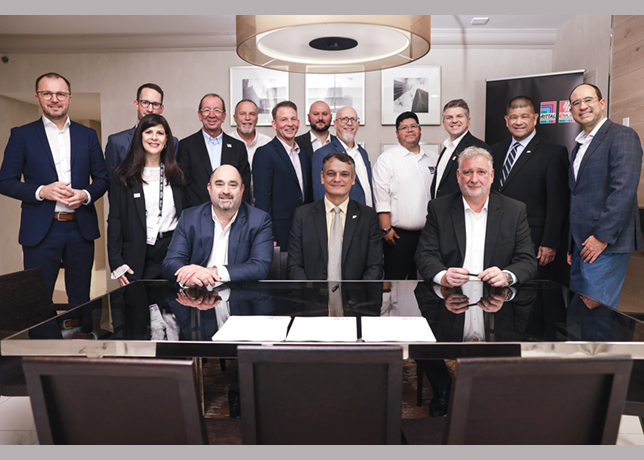
Meanwhile, China’s largest energy conservation company signed two bilateral cooperation agreements with China National Petroleum Corporation (CNPC) and GE Oil & Gas to recycle waste heat created by the country’s longest gas pipeline project, according to a statement co-released by the three companies.
It is an important move in improving the country’s industrial efficiencies, though challenges remain, analysts say.
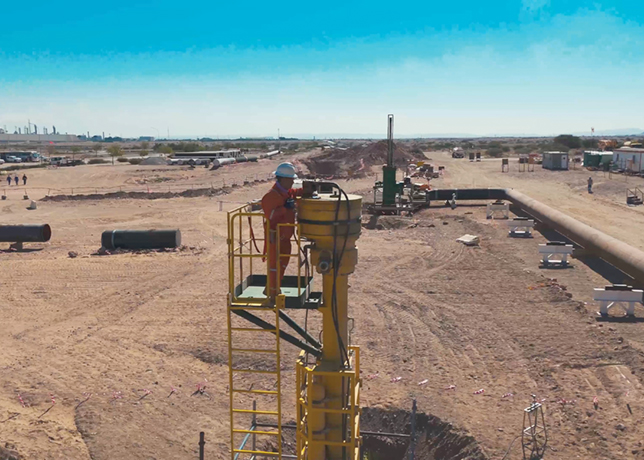
Under one of the agreements, the State-owned China Energy Conservation and Environmental Protection Group (CECEP) will offer measures to generate electricity from waste heat created by the compressor stations of China National Petroleum Corporation, the country’s largest oil and gas producer, which is constructing gas transmission pipelines from western to eastern China.
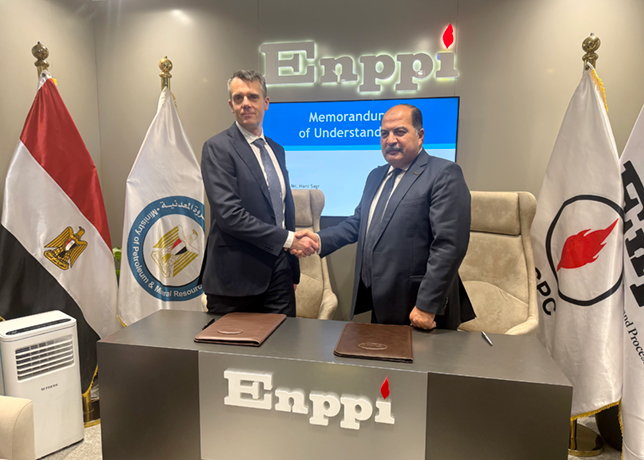
CECEP’s other agreement is a Memorandum of Understanding with GE Oil & Gas, which will be in charge of providing technology, equipment and services for this waste heat recycling programme.
Part of the electricity generated from the waste heat will be connected into the State Grid, China’s largest electricity grid operator, according to Cao Yang, China regional manager of GE Oil & Gas, says.
“The projects should avoid any negative impact on the current gas pipeline, which is one of the challenges facing the programme,” Cao says.
The three companies will first launch the waste heat recycling project in Yanchi, a county in Northwest China’s Ningxia Hui Autonomous Region, and Nanchang, the capital of East China’s Jiangxi Province, Wang Xiaokang, chairman of CECEP, said at a press conference.
The project will be expanded to more regions if the two programmes succeed, Wang says, without disclosing details about the total installed capacities of the programmes.
Wang says that his company is still negotiating with the State Grid about whether and how they will connect the electricity they generate.


