







































According to ‘A New Reality: the outlook for the oil and gas industry in 2016’, increasing pressure on the supply chain will also be prioritised as a cost-management measure by 34 per cent of respondents in Malaysia
Cost management is the top priority for 60 per cent of senior oil and gas professionals in Malaysia, compared to 41 per cent globally, according to a new research report published today by DNV GL, the leading technical advisor to the oil and gas industry. One in three (34 per cent) respondents in Malaysia is prioritising headcount reductions to impose stricter cost controls (vs 31 per cent globally).
According to "A New Reality: the outlook for the oil and gas industry in 2016", a DNV GL report based on a survey of 921 senior professionals in the sector, increasing pressure on the supply chain will also be prioritised as a cost-management measure by 34 per cent of respondents in Malaysia, compared to 27 per cent globally.
The majority of Malaysian respondents felt that the industry is taking a short-term view on headcount (57 per cent) and skills/career development (53 per cent), compared to a global average of 51 per cent and 43 per cent respectively. Further, 58 per cent believed the industry is repeating the mistakes made in prior downturns. Cutting back on manpower and thus competence (24 per cent compared to 15 per cent globally) and lack of discipline in cost control even in good times (18 per cent compared to 12 per cent globally) were stated as the key reasons for this view.
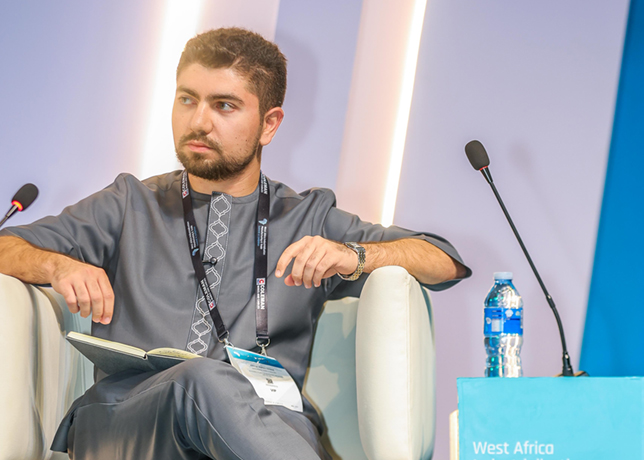
Raza Amin, country manager for Malaysia, DNV GL – Oil & Gas, says: "The low oil price is clearly having a major impact on the Malaysian market. The industry has taken painful short-term cost-cutting measures and will have to accelerate healthy cost-management changes to adjust to the new reality. That means cutting complexity and increasing collaboration and standardisation, which will put the industry on a sustainable path for the long-term."
"This is a cyclical sector and during a downturn we should use the momentum to drive out inefficiencies. To avoid repeating past mistakes, the industry now needs to really commit and deliver on a long-term plan," continues Amin.
Fewer respondents (55 per cent) in Malaysia compared to the global average (61 per cent) believe that operators will push to standardize their delivery globally. The per centage of Malaysian respondents who were positive about investment in R&D was also less than the global average - in Malaysia more than four in ten respondents (42 per cent) will cut R&D spend in 2016 compared to 36 per cent globally.
Elisabeth Tørstad, CEO of DNV GL – Oil & Gas, says: "While the industry is understandably preoccupied with generating shorter-term value, we must also keep an eye on where longer-term value and long-term efficiency gains can be achieved. Nearly one in five companies globally does not have a strategy in place to maintain innovation and R&D investments are expected to fall in Malaysia in 2016."
"Innovation and collaboration are even more important in this current price environment. It isn’t just about finding the breakthrough technologies – although that’s important too - it’s also about making things simpler and more efficient and ultimately helping the industry to safely cut costs. At DNV GL, we are continuing to invest 5 per cent of our revenue in R&D as we see this as a key enabler for sustainable long-term competitiveness," continues Tørstad.
Other key findings include: The major barriers to growth are the low oil price (83 per cent of respondents compared to 63 per cent globally), the weak global economy (47 per cent) and uneconomic gas prices (25 per cent).
At the time of the survey, the oil price was $47. It has since fallen further, but the Malaysian respondents were more pessimistic than the global average at that time. The percentage of Malaysia’s senior oil and gas professionals who are confident about the future is well below the global average (21 per cent compared to 30 per cent) and 72 per cent (compared to 50 per cent globally) expect further cuts to Capex investment. The share of Malaysian respondents who were confident about hitting revenue targets was below the global average (36 per cent compared to 40 per cent).
A New Reality: the outlook for the oil and gas industry in 2016 is an industry benchmark study from DNV GL, the leading technical advisor to the industry. Now in its sixth year, the programme builds on the findings of five prior annual outlook.


