








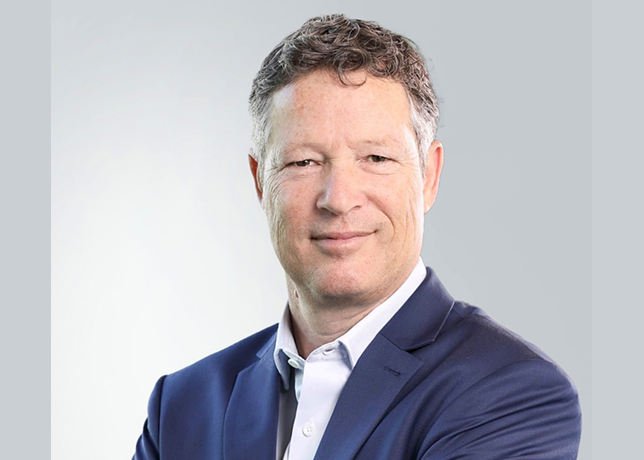

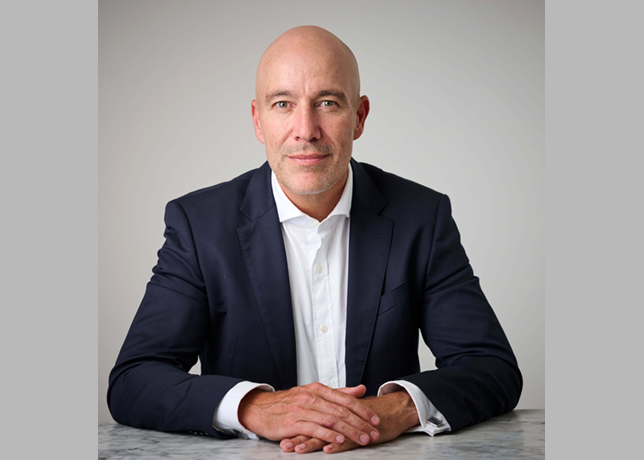





The World Future Energy Summit is on track to host its biggest ever edition, expecting around 38,000 attendees from 175 countries, WFES group event director NAJI EL HADDAD tells K S SREEKUMAR in an exclusive interview
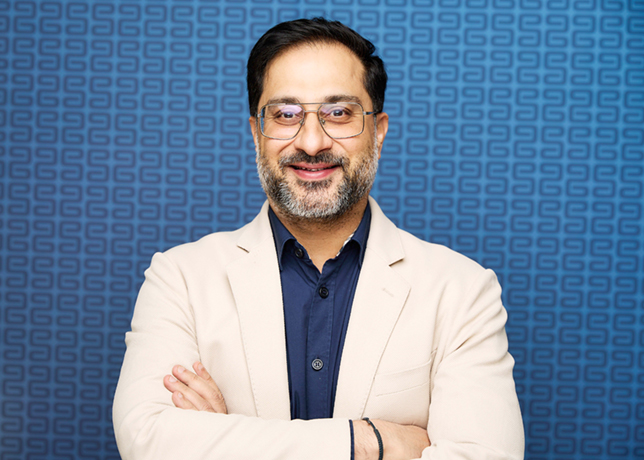
The World Future Energy Summit (WFES 2017) to be held in Abu Dhabi from January 16 to 19, 2017 is set to be the most important in the event’s history in terms of driving commercially based action, with large investments being directed into renewables across the Middle East and North Africa, and in the Indian sub-continent, says WFES group event director Naji El Haddad.
'We estimate that there are more than 200 gigawatts (GW) of renewable energy projects currently on the table in our main markets, with 175 GW planned in India alone, and 9.5 GW in Saudi Arabia,' says El Haddad in an interview with OGN.
Globally, investment in renewables now stands at almost $300 billion per year worldwide, which is five times the 2004 figure. This is a very different market compared with the first edition of WFES, when the region had no sustainability sector to speak of, says El Haddad.
Excerpts from the interview:
What will be the highlights of WFES 2017? What has been the tangible outcome from WFES editions over the years?
The range of real business opportunities will be the main highlight. The volume of business done at WFES grows consistently with each edition. The number of attendees has tripled since our first edition in 2008 and we expect that growth will accelerate in the years ahead.
What are the new things that you have added to WFES 2017 compared with the previous edition?
The most significant addition is the new Energy Efficiency Expo, which expands the event to look not only at how we produce energy, but how we can make better use of that energy. This follows the previous successful launches of the International Water Summit (IWS) in strategic partnership with Abu Dhabi Water & Electricity Authority, and EcoWaste in strategic partnership with Tadweer, and Solar Expo last year, consistently expanding on our success to build the business case for sustainability across multiple sectors.
 |
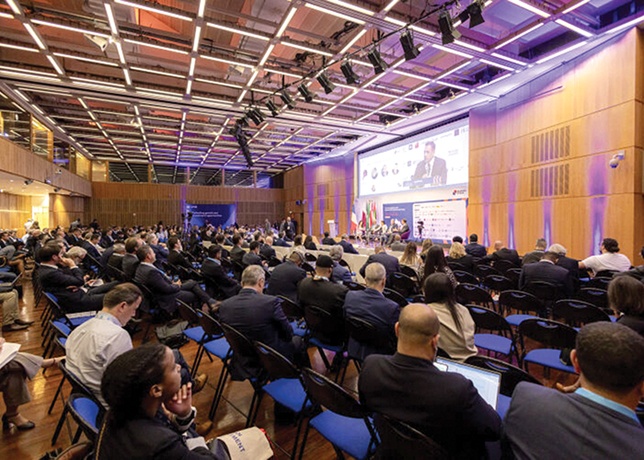
WFES ... the opening of a previous edition of WFES |
What will be the main themes and topics of discussion at WFES 2017? How will companies and organisations in the energy industry benefit from participating in the Summit?
The theme for this year’s Abu Dhabi Sustainability Week is ‘Practical Steps Towards a Sustainable Future’, while WFES itself is under the theme of ‘Sustaining the Clean Energy Consensus, Empowering New Players’. For WFES we want to maintain a very practical, business-centred approach. Finance will be an important issue within the conference programme, looking at how we fund renewable energy projects. There will be focus sessions looking at some of the most promising markets, and technical sessions will look at the barriers to renewable energy, such as storage, and the options available to overcome these.
What has been the impact of the oil price crash on renewable energy? Won’t it throw a damper on efforts to embrace renewable energy as it will become costlier than fossil fuels?
From the growth we’ve seen in the renewable energy sector during 2016 and the increased installation of renewable power, there aren’t any real signs that lower oil prices are having a significant impact on the market. Simultaneously, the cost of wind or solar power has significantly fallen while R&D and innovation helped the efficiency of these technologies to improve. We have seen three records broken for lowest-priced bids for solar energy projects during the year, two of them in the UAE, so the economics of renewable energy continues to grow stronger.
Which financing mechanisms have successfully mobilised investment into renewable energy markets? What are the financial models transforming the industry? What examples of bold and innovative approaches to fundraising exist?
Finance will be an important issue at WFES, particularly during the conference component. Sessions will include how we can facilitate project development and financing, there will be a discussion of how to optimise assets for best performance, and specific insights into innovative financing for renewable energy, especially in India and Africa.
For the projects looking for finance at WFES, the most important point is that they can offer investors a good return on investment. As the technology becomes more efficient and less expensive, renewable energy is emerging with a range of benefits as an investment. Not only is the cost falling, but being able to locate solar or wind power close to the end user – or even on-site – reduces the cost of distribution infrastructure, while capacity can be scaled up to meet gradual rises in demand rather than requiring large upfront capital costs. There is a strong business case for investors, and that is driven by a reasonable expectation of making a profit.
How would you describe the role of WFES in the development of renewable energies in the Mena region?
Our role is to drive the business case for renewable energy, and we are an intentionally commercial event, forming the business pillar of Abu Dhabi Sustainability Week. In earlier years, that meant working to create and build a market for solar and other renewables, at a time when there was very little activity in the region. As the industry has taken root, WFES’ role is maturing. We are now part of a large and growing market, providing a platform where the various threads within that market come together in the same place at the same time – from financers, to technology suppliers, utility companies, and government decision makers.
We help build business connections, through targeted matchmaking programmes, while the conference programme is less focused on policy and more focused on solving industry problems that have a commercial value. Although policy does form part of the broader ADSW agenda.
How different will Abu Dhabi Sustainability Week be this year compared to the previous editions? What will be its key feature?
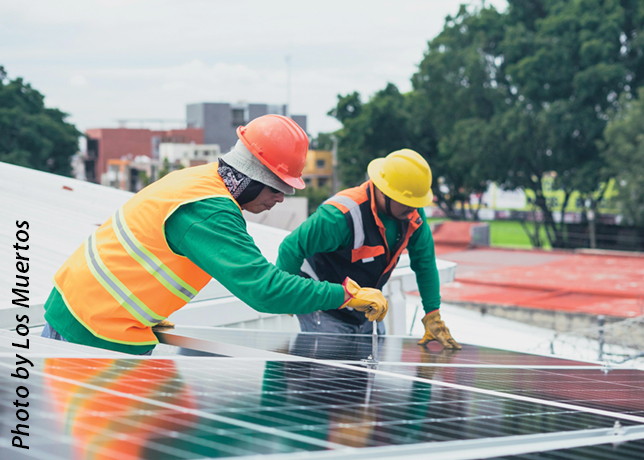
The new addition to the business pillar for ADSW is the Energy Efficiency Expo, which concentrates on reducing electricity consumption in buildings. It will provide an ideal platform for marketing energy-efficient solutions for the construction and property industries, which can deliver reduced operating expenses for building owners and reduce demand on the electricity supply. The dedicated Solar Expo, launched in 2016, returns this year, and is growing strongly as interest in solar across the region booms, bringing together high-profile investors, technology suppliers, and government officials and buyers.
In the past 10 editions, WFES has built a record of delivering on the fundamental elements of sustainability – energy, water, and waste. By adding more specialised events, we use our success to support more detailed aspects of sustainability, always taking a practical, commercially focused approach. Because many of these markets overlap, they can work together to attract an audience.
What are your expectations regarding numbers of attendees and countries represented at the Summit from both the public and private sectors?
We are on track to create the biggest ever edition of WFES, expecting around 38,000 attendees from 175 countries, hosting around 880 companies from about 40 countries. More than half of our exhibitors are small and medium sized businesses from some of the world’s leading clean tech nations, including Germany, France, Japan, China, the USA and the UK. That is a strong indication of the dynamism of the sector.
What key players and exhibitors from the region’s energy industry are expected to participate at the event?
We expect that most of the world’s major technology suppliers, and certainly those operating within the GCC region, will exhibit at WFES. The world’s three biggest solar panel manufacturers – Trina Solar, JA Solar and Hanwha Q Cells – are all represented, along with a thriving ecosystem of smaller businesses. We are seeing significant growth in attendance from developers and investors, particularly those based within the MENA and Indian markets.
For 2017 we predict a surge of activity on the purchasing side. As well as private companies, we have official delegations representing buyers from Saudi Arabia, Morocco and India, all of which have very large plans for renewable energy and are actively looking for partners to achieve them.


