











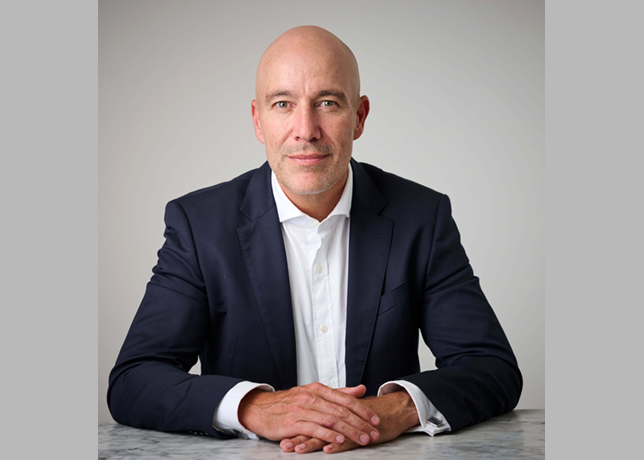

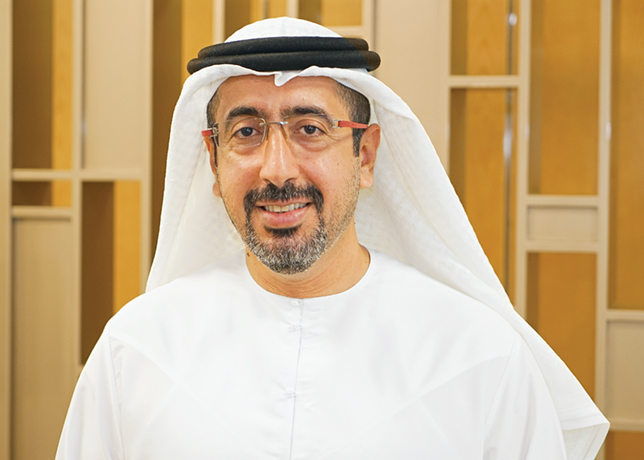






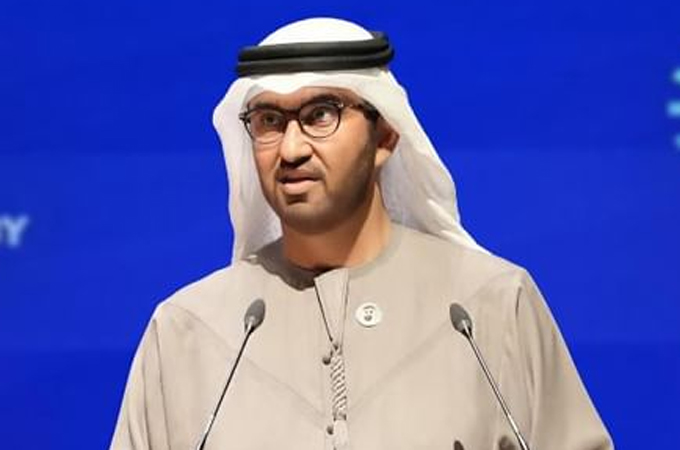
Renewed infrastructure investment and an absolute commitment to freedom of navigation through the Strait of Hormuz are needed to enhance global energy resilience, said Dr Sultan bin Ahmed Al Jaber, UAE Minister of Industry and Advanced Technology and Managing Director and Group CEO of the Abu Dhabi National Oil Company (ADNOC).
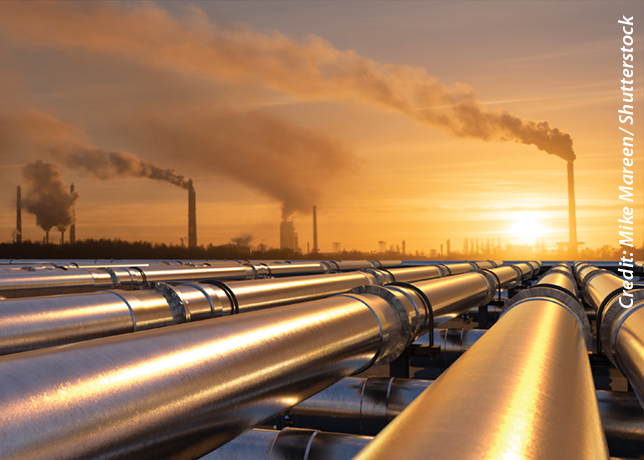
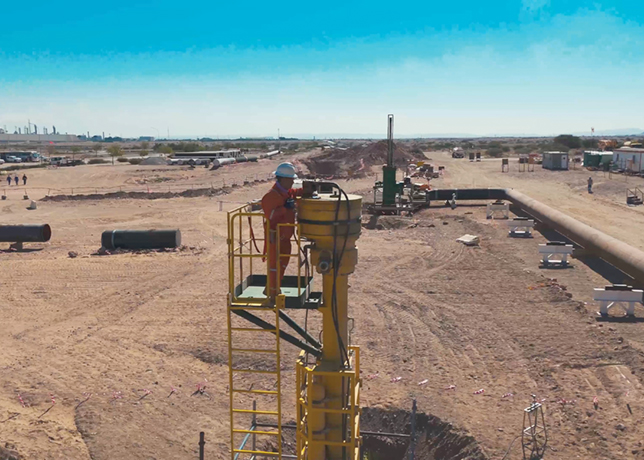
Speaking with the Atlantic Council, Dr Al Jaber called for investment across the value chain to strengthen the global energy economy. As part of this plan, the company is moving forward with a new phase of world-scale project execution, including accelerating construction of a second pipeline to double export capacity through Fujairah Port, which bypasses the Strait of Hormuz, he said.
“Right now, too much of the world’s energy still moves through too few chokepoints. That is exactly why the UAE made the decision more than a decade ago to invest in infrastructure that bypasses the Strait. And it is why we moved ahead with our second pipeline in 2025. Today it is already 50 percent complete, and we are accelerating delivery toward 2027.”
$150bn Capex programme
Dr Al Jaber said ADNOC remained committed to its $150 billion (AED551 billion) five-year capital expenditure (CAPEX) programme to enhance its operations, drive growth and meet global energy demand.
“As a sector, we are dangerously underinvested. Upstream investment is sitting at around $400 billion a year, which barely offsets natural decline rates. Global spare capacity is around 3 million barrels a day. It should be closer to 5. And in just two months, the world drew-down around 250 million barrels from storage. We have 30 to 35 days of effective cover. We need to at least double that.”
Dr Al Jaber explained how the current conflict had highlighted supply chain fragility for not only oil and gas, but also critical chemicals, minerals and fertilisers driving the world economy.
Hormuz is 'an everything story'
“Hormuz is not just an oil story. It is an everything story. Think about it: we are talking LNG, jet fuel, fertiliser, aluminum, helium, critical minerals, plastics, consumer goods and general cargo. In other words, the entire supply chain of the modern global economy, from the food on your table, to the planes in the sky, to the chips in your phone. Fuel prices are up 30 percent, fertiliser is up 50 percent, airfares are up 25 percent. Every farm, factory and family is paying the price. And the ones who are most vulnerable end up carrying the heaviest load.
“One stat that really stands out: Just over 80 days into this conflict and almost 80 countries have now taken emergency measures to support their economies.”
Detailing the impact of the conflict on oil markets, Dr Al Jaber noted that while ADNOC can ramp up its oil production in a matter of weeks, it will take four months for oil flows through the Strait of Hormuz to return to 80 per cent of pre-conflict levels and full flows will not return before the first or second quarter of 2027.
Dr Al Jaber went on to renew calls for Iran to immediately cease disruption of trade through the Strait of Hormuz, and for global leaders to step up efforts to uphold freedom of navigation through the vital waterway. “This is not just an economic problem. It sets a dangerous precedent. Once you accept that a single country can hold the world's most important waterway hostage, freedom of navigation as we know it is finished. If we do not defend this principle today, we will spend the next decade defending against the consequences.”
On decision to exit Opec
Dr Al Jaber explained how, despite the current conflict, the UAE’s leadership has accelerated plans to deliver low-cost, low-carbon energy to customers around the world, supported by the “sovereign, strategic decision” to exit the Organisation of the Petroleum Exporting Countries (OPEC) in late April. That historic move was “made with clarity, conviction and confidence.”
He explained that the UAE wants “greater flexibility to invest, grow, expand, partner and create long-term value.”
“With demand for oil staying well above 100mbpd into the 2040s, the world needs more of what the UAE produces: the lowest cost, lowest carbon barrels out there. And now we will have the flexibility to place more crude with customers everywhere. At the same time, we in the UAE need more energy to move at the speed of our ambition. In particular, natural gas is increasingly strategic, not only for our business, but for power generation, AI infrastructure, manufacturing and economic growth.”
Dr Al Jaber explained that the UAE’s decision to exit OPEC was not “a reaction or a rupture and not directed against anyone, or any institution” and the country will keep engaging and ‘showing up for our friends and partners.”
Non-energy investments
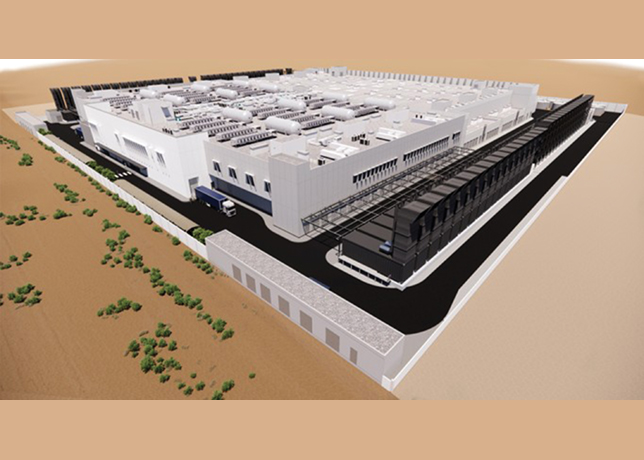
He went on to highlight how ADNOC is similarly diversifying its global investments beyond energy into AI infrastructure, data centers, semiconductors, advanced manufacturing, and critical minerals. Dr Al Jaber noted the UAE-US relationship is critical to ADNOC’s international plans, with the UAE remaining the US’s largest export market in the Middle East for seventeen consecutive years.
“We have a strategic partnership across technology, investment, industry, energy, defense and of course much more. The UAE has invested more than $1 trillion in the United States with more to come over the next decade. Our energy investments alone through ADNOC, XRG and Masdar now total more than $85 billion across 19 states. The UAE and the US aren't just trading partners; we are co-investors in the economy of the next century, and that is a partnership built on trust, not transactions.”
Both ADNOC’s domestic and international investment agenda’s continue to draw support from ADNOC’s resilient revenues, Dr. Al Jaber said, underpinned by decades of prudent investment in diversified infrastructure. “We kept supplies flowing and worked closely with our customers shipment by shipment, to meet demand wherever we could. We redirected volumes through the East Coast and used our global trading network to secure additional supplies for our customers across Asia.