






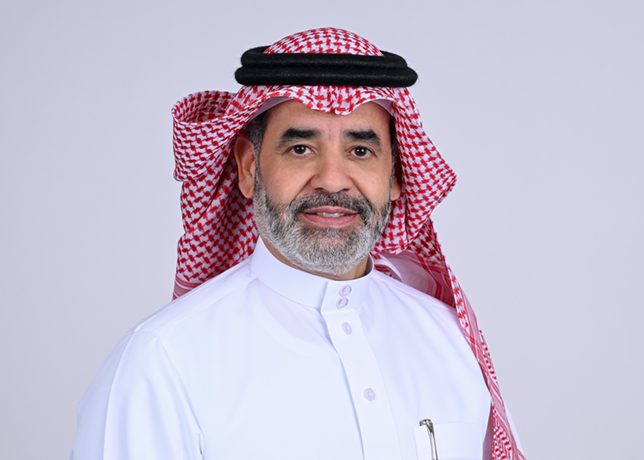

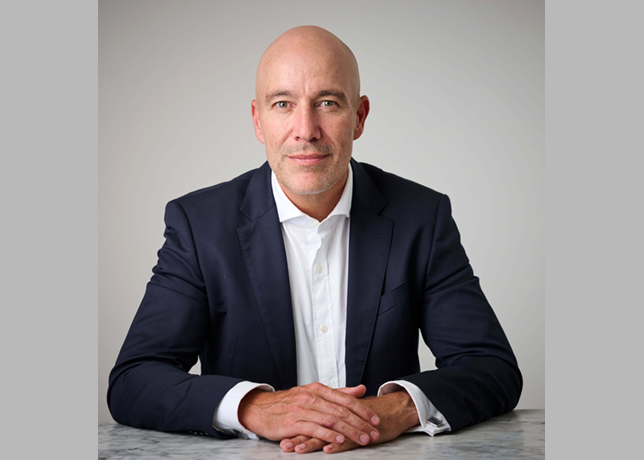
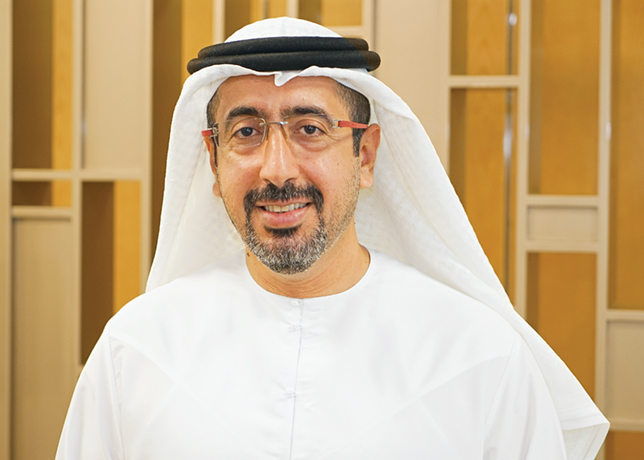

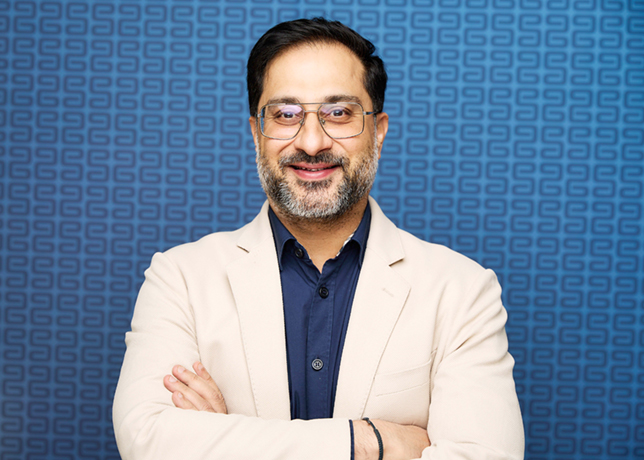



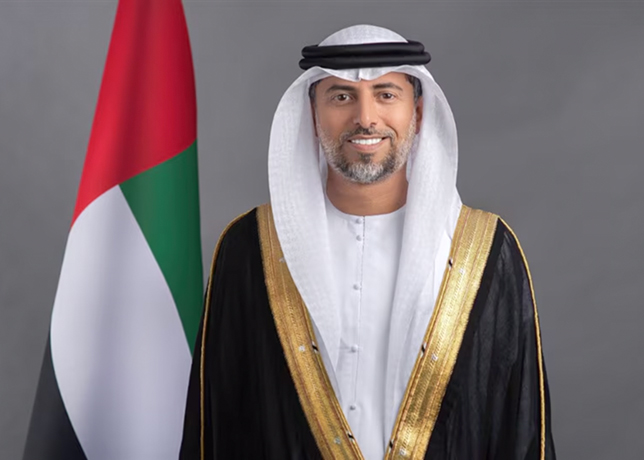

Saudi Basic Industries Corporation (Sabic) is firmly committed to further globalising the company and pursuing its strategic vision of being among the leading companies in the global petrochemical industry, says its vice-chairman and chief executive officer Mohamed Al Mady.
The impact of the emerging economies and their surging growth in populations will have a major impact on future markets for petrochemicals, he said recently.
“For the longer term, I believe the future for our industry is positive,” Al Mady told a recent conference.
The Saudi company, which makes chemicals, fertiliser, plastics and steel, posted its fifth consecutive record profit in the third quarter on higher prices for its products and more production.
“Today, Sabic has a cadre of educated and trained nationals capable of leading and supporting the company’s globalisation strategy,” he points out.
Sabic, which the Saudi government set up in 1976 to help diversify the kingdom away from crude oil exports, may be the most attractive petrochemical company in the world with an earnings yield of more than eight per cent, compared with three per cent two years ago, Japan’s Nomura bank said in a report last month.
Asian prices for ethylene, which costs Sabic less than $300 per tonne to produce, ranged from $1,250 per tonne to $1,300 per tonne in the third quarter, compared with $1,100 per tonne to $1,200 per tonne in the year-earlier period, according to Houston-based consultancy Chemical Market Associates Inc (CMAI).
“There are new plants coming into the picture towards the middle of the year,” Al Mady said.
“The first half will be better than the second half,” he said, noting 2008 would be a “good” year.
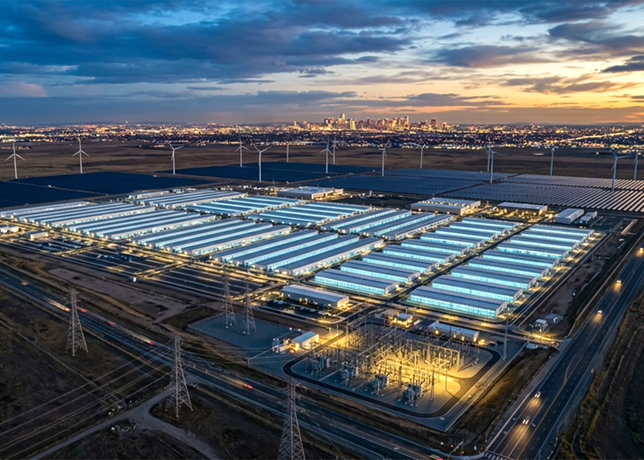
The world’s largest chemical company by market is rapidly expanding its global network of manufacturing facilities, research and technology centres and sales offices.
Al Mady, projecting an upbeat view about the company’s earnings, said Sabic’s net income in the three months to September 30 surged by 37 per cent to SR7.4 billion ($1.97 billion).
The quarter included earnings of the plastics unit of General Electric, which Sabic agreed in May to buy for $11.6 billion. The European Union approved the takeover in August.
“We are very pleased to confirm the completion of this acquisition,” Sabic chairman Prince Saud bin Abdullah bin Thenayan Al Saud said of the purchase.
The former GE unit is now Sabic Innovative Plastics, a new business addition to Sabic that will focus on the global growth of thermoplastics and engineering plastics through innovation to serve the automotive, electronics, healthcare, and construction sectors. Brian Gladden has been appointed CEO of Sabic Innovative Plastics.
“This acquisition will significantly broaden Sabic’s plastics product portfolio and provide access to new global markets. The people, products and technologies of Sabic Innovative Plastics bring a legacy of material innovation and expertise that I believe will enable Sabic to further strengthen and grow its position as a world-class leader in the plastics industry. We will maintain our commitment to the people, communities and facilities that have contributed to this world-class organisation,” said the chairman.
Speaking of the acquisition, the CEO said: “We were able to secure the required financing due to recognition of Sabic in the global financial and capital markets, sound business profile of Sabic Innovative Plastics and its world-class diversified product portfolio. Hence, we successfully completed the deal on time, despite the prevailing turbulence in the global credit markets. This acquisition will further enhance Sabic’s position amongst the leading global companies.
“Our global manufacturing capabilities will be further expanded to include significant additional plants and compounding operations in the Americas, Europe and Asia Pacific regions,” added Al Mady.
“Sabic Innovative Plastics is another strategically important step in our global growth and ongoing commitment to serve our customers – both in terms of geography and in meeting their needs for innovative plastics solutions and products that deliver outstanding value,” he said.
Following earlier acquisitions of DSM and Huntsman’s petrochemicals businesses in Europe, Sabic now has more than 30,000 employees.
Sabic Innovative Plastics is a global supplier of plastic resins and compounds widely used in automotive, healthcare, consumer electronics, transportation, performance packaging, building and construction, telecommunications and optical media applications.
The company manufactures and compounds polycarbonate, ABS, ASA, PPE, PC/ABS, PBT and PEI resins, as well as the LNP line of high-performance specialty compounds, under such well known brand names as Lexan, Cycolac, Geloy, Noryl, Cycoloy, Valox and Ultem.
The Specialty Film and Sheet division of Sabic Innovative Plastics manufactures high-performance Lexan sheet and film products used in thousands of demanding applications worldwide.
The dedicated automotive organisation is an experienced, worldwide supplier, offering leading plastics solutions for five key automotive segments: body panels and glazing; under the hood applications; component; structures and interiors; and lighting.
Al Mady also said that Sabic’s higher profits this year reflected the improvement in the prices of most key products in line with the increase of productivity as a result of the added capacities from a number of expansion projects going on-stream. These included the ethylene glycol plant at Jubail United Petrochemical Company (United), the reinforced steel plant at the Saudi Iron & Steel Company (Hadeed), and urea and ammonia plants at Saudi Arabian Fertiliser Company (Safco).
“In addition we added production from the Sabic UK company following the acquisition of Huntman’s European base chemicals and polymers business in the UK at the end of 2006,” he said.
With a presence in more than 100 countries, Sabic is well-positioned to meet the needs of its global customers.
Pointing to the recent formation of the GPCA (Gulf Petrochemicals and Chemical Association), Al Mady described it is an important initiative which provided Gulf producers a unified regional voice in advocating issues of importance for our region and industry.
The GPCA also provides a vehicle for reaching out to other regional trade associations around the world in creating a network – a network capable of creating a global advocacy strategy for the industry while having the capability for implementation through the strong regional trade associations.
The GPCA raises the awareness and significance of the Gulf as a major player in the global petrochemical industry.
Sabic officials believe the Middle East will continue to exert an increasing influence on global petrochemical markets over the long term due to its advantaged feedstock position.
Sabic, among the world’s top 10 petrochemical companies, makes and sell the raw materials for much of the fundamental fabric of the modern world, from basic chemicals to polymers, from fertilisers to metals.
“And we do it on a vast scale,” added Al Mady.
In a recent report, he said: “Every year we supply over 20 million tonnes of basic chemicals: products like ethylene, methanol and methyl tertiary butyl ether (MTBE) — raw ingredients for a vast range of consumer and industrial goods. We supply around 10 million tonnes a year of intermediates like mono ethylene glycol and ethylene dichloride, again essential to an enormous variety of industrial products and processes. Every year we sell nearly six million tonnes of fertilisers, around four million tonnes of metals, and around eight million tonnes of polymers: polyolefins, polyester and PVC.
“Our strategic business units (SBUs) — basic chemicals, intermediates, polymers, fertilisers and metals — share essentially the same broad aim: to build on established success, invest in increased capacity, cut costs, get closer to customers, and so claim an ever-increasing share of an ever-growing market.”
The new SBU, Specialty Products, is committed to producing new high-value special derivatives.
In 2006, Sabic launched Sabic 2020: a major strategic project. Its basic goal was to define the path to ambitious growth in the next 15 years. Besides giving a clear direction for the future of each SBU, the project involved Sabic’s executives, middle management, and a large number of its employees in strategic thinking, learning organisation and concrete implementation.
This is done with the aim of developing Sabic’s sustainable internal capabilities to more effectively pursue its desired goals. Sabic is now proud to have a new vision: ‘To be the preferred world leader in chemicals.’
Shared Services
Sabic is also reaping the full benefits of linking up not only all its manufacturing operations but all the support and regional offices too, thanks to Shared Services’ first full year of operation with all customers rolled in.
Shared Services, formed in 2003 as part of the Fanar initiative, is about linking all Sabic and affiliate operations via a single, seamless network, enabling faster and more informed decisions, data confidentiality, clear records of accountability, and improved operational efficiency.
“Last year saw us build on previous successes, with two new affiliates – Yansab and Saudi Kayan – integrated smoothly into the network,” said Al Mady.
Shared Services promises to play an ever more central role in Sabic’s ongoing drive toward ever greater integration and efficiency.
Research and Technology
Sabic continued developing the foundations for future success, with significant achievements in polymer, chemical and metals research. Recent highlights included commercial trials of three catalysts, development of new polymer grades and applications for our polyolefins business, and the creation of new steel products for Hadeed.


