


















SABIC said it expects global chemical prices to rise next year on further delays in fresh capacity and demand growth in China.
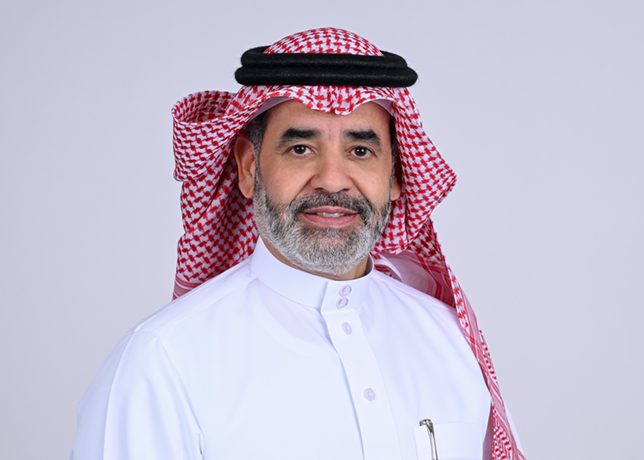
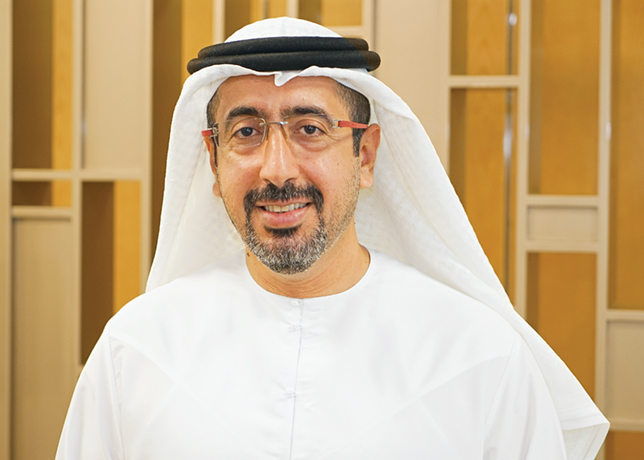
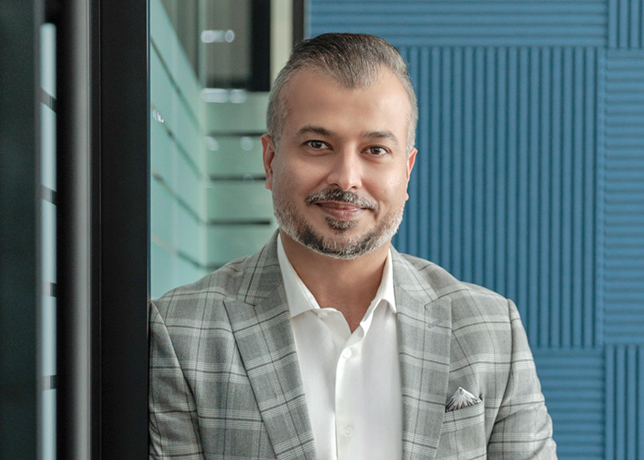
Still, new global capacity may weigh on prices in the second half of the year, said Mohamed Al Mady, chief executive officer of the world’s largest chemical company by market value.
“My assessment before was that we see a flattening in 2008 but now my assessment has changed, because we will not see some plants coming on stream,” Al Mady said in a recent interview in Dusseldorf, Germany.
Sabic, which makes chemicals, fertiliser and steel, recently posted its fifth consecutive record profit in the third quarter on higher prices for its products and more production. Sabic, which the Saudi government set up in 1976 to help diversify the kingdom away from crude oil exports, may be the most attractive petrochemical company in the world with an earnings yield of more than eight per cent, compared with three per cent two years ago, Japan’s Nomura bank said in an October report.
Asian prices for ethylene, which costs Sabic less than $300 per tonne to produce, ranged from $1,250 per tonne to $1,300 per tonne in the third quarter, compared with $1,100 per tonne to $1,200 per tonne in the year-earlier period, according to Houston-based consultancy Chemical Market Associates (CMAI).
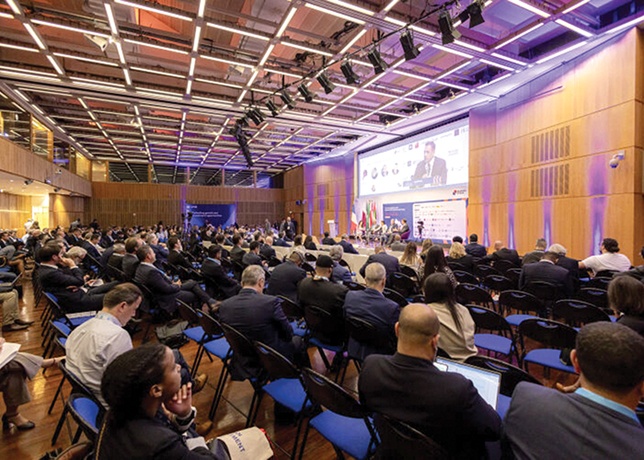
“There are new plants coming into the picture towards the middle of the year,” Al Mady said on the sidelines of a chemicals exhibition in the German city.
“The first half will be better than the second half,” he said, noting 2008 would be a “good” year.
Sabic’s net income in the three months to September 30 surged 37 per cent to SR7.4 billion ($1.97 billion).
The quarter included earnings of the plastics unit of General Electric, which Sabic agreed in May to buy for $11.6 billion. The European Union approved the takeover in August.
“Companies are looking for sophisticated, value-added products,” Al Mady said. “Sabic is a company that would also like to take that step forward.”
On further acquisitions, Al Mady said: “we are in integration phase but we are not closing our eyes. We are keeping our eyes open.”
Sabic’s output, which includes chemicals, fertiliser and steel, rose 13 per cent to 40.9 million tonnes in the first nine months of the year. Sales climbed 13 per cent to 32.6 million tonnes. It did not give details for the third quarter.
Ethylene, Sabic’s biggest product, is a base chemical used to make plastics such as polyethylene for textiles or computer covers. Chemical prices are linked to oil which surged recently to more than $95 per barrel.
Sabic buys ethane gas from Saudi Aramco at a fixed price, while many other chemical producers, such as Japan’s Mitsubishi Chemical Holdings, rely for feedstock on naphtha, which is linked to oil prices.


