











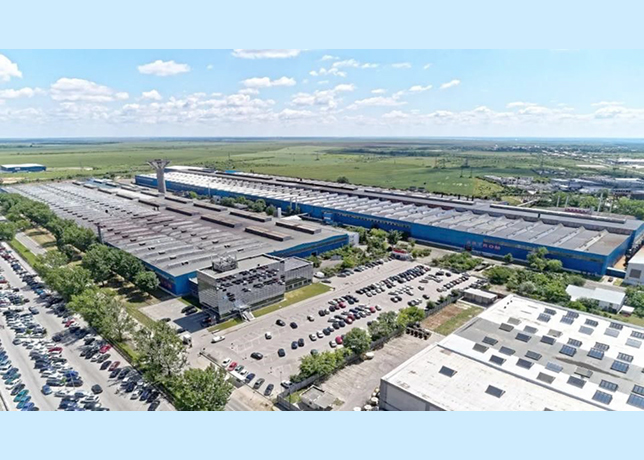























Russian oil company Rosneft has begun producing European-standard gasoline at one of its remotest Siberian refineries after the latest in a wave of refinery upgrades across the former Soviet Union.
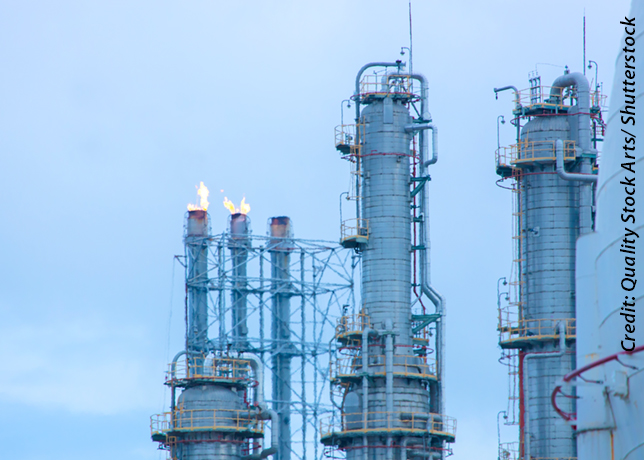
The launch of an isomerisation unit, which makes high octane gasoline components, and a hydrotreater at the Achinsk refinery brought its output into line with European emissions standards
capping sulphur at 50 parts per million. It will also make 150ppm gasoline.
Rosneft’s investment in equipment to make high spec gasoline reflects sharply rising demand for higher quality fuels in Russia for the country’s rapidly expanding ranks of drivers.
Some 60-80 per cent of Siberian and Far East drivers have used Japanese cars which require high octane fuels. Refiners also face the prospect of tighter emissions standards as Russian cities consider capping sulphur at 150ppm, as Moscow did in January 2005.
“When you improve production of high octane gasoline, you come very close to Euro III and Euro IV (150ppm and 50ppm sulphur) for technical reasons,” a trader close to the refinery said. “Why not do it?”
The upgrade also lets Achinsk take advantage of Russian refiners’ extraordinarily flexible logistics.
Even though Achinsk products must travel further to their Pacific outlet, 5,521 km away, than to the Black Sea port of Novorossiisk at 4,723 km, the gasoline could go either way.
“Export flows always depend on the current netback, but with Euro III I see room for Achinsk to go eastwards,” the trader said, adding that the upgrades would improve export netbacks by reducing the costly use of octane boosters such as MTBE.

