





















PLANS to run Bahrain on solar energy are a step closer to reality after the approval of a National Oil and Gas Authority (Noga) study.
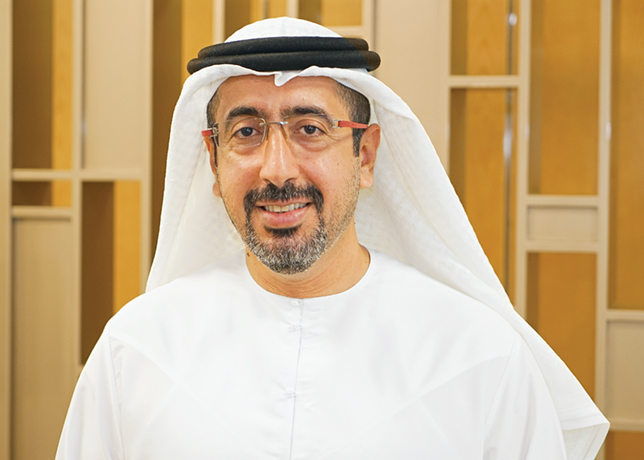
Conducted by a German company at Bapco’s Awali Township, it is now being implemented as part of a research project by experts from the US, says Bapco chief executive Faisal Al Mahroos.
“The Germans had done a pilot study on the use of solar, wind and hydrogen fuel cell technology at a specially set up Energy House at the Shaikha Sabeeka Park.
“That study has now been completed and it has been concluded that solar energy is the most viable solution for Bahrain.”
Al Mahroos says the New Jersey-based company, Petra Solar, which is implementing the project, has the expertise in commissioning similar projects in the US.
 |
|
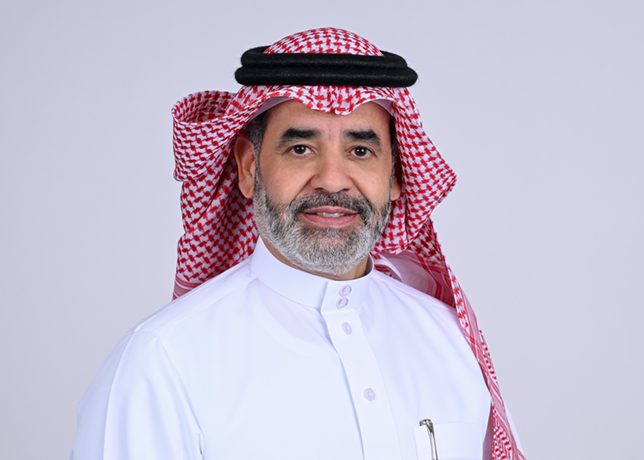
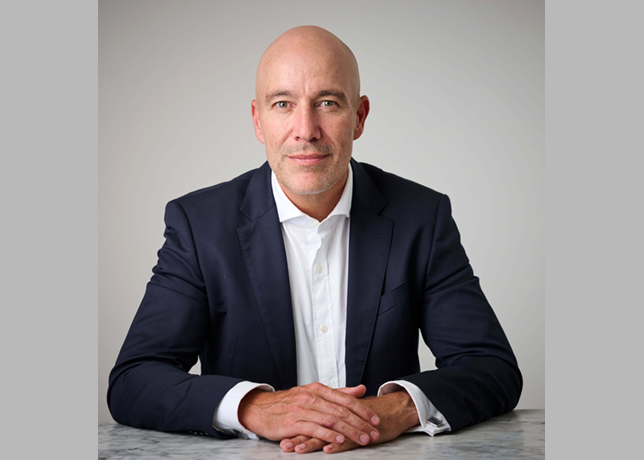
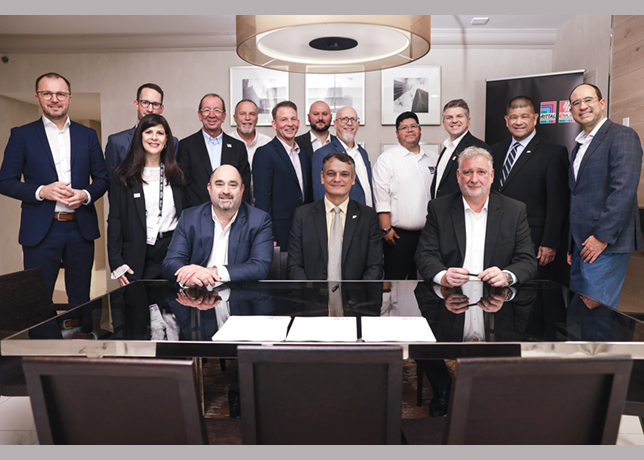
Waheeb Al Nasser (righ), vice president |
“They are to start work on Awali Township soon as part of a project which will have all houses and other utilities running partly on solar energy,” he says.
“All going well, the entire project will be completed by 2012.”
Al Mahroos says the plan will later extend the “solarification” to the Bapco refinery.
“Over a period of time, we will develop our expertise and learn along the way, in the process perfecting what we have,” he says.
“In the near future, since the solutions will become more and more cost effective, it could be extended to cover the entire country.”
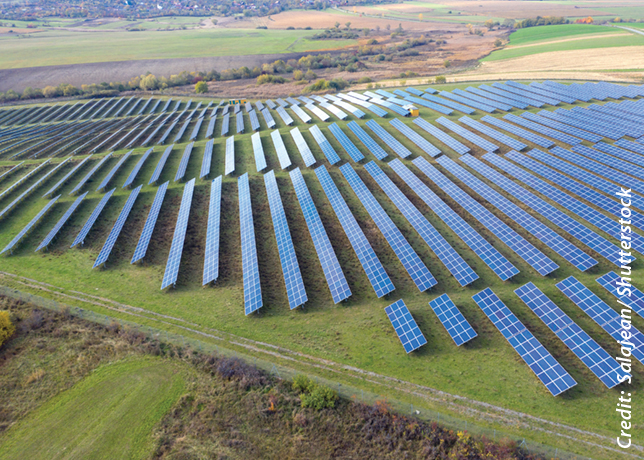
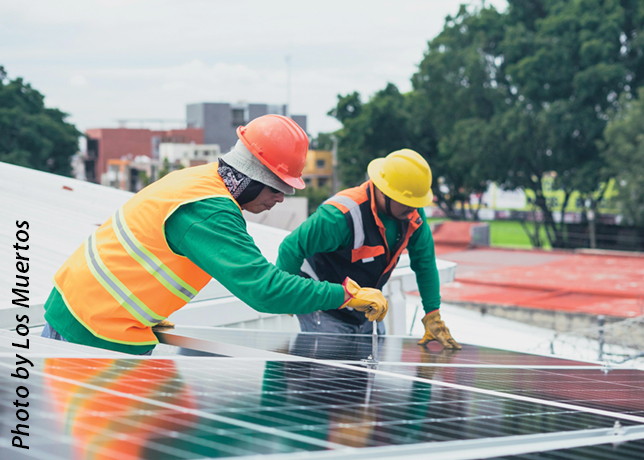
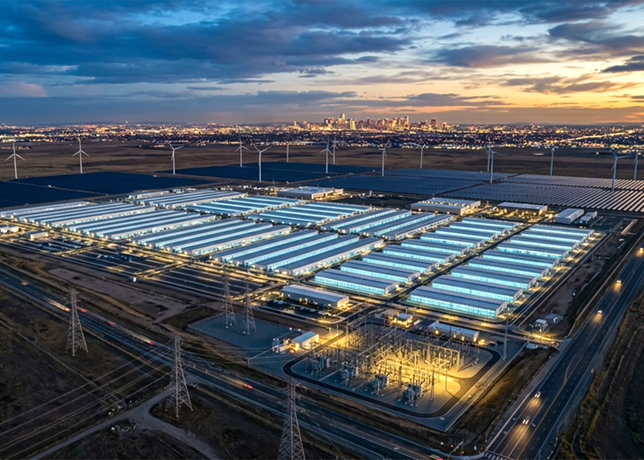
Al Mahroos says the plan involved placing nearly 4,000 solar panels at strategic locations to pump in 20 megawatts (MW) of electricity to a central control room for it to be fed into people’s homes and other facilities.
“Solar panels would be installed on electricity poles, street lights and in people’s backyards as well as on rooftops, from where the power generated would be transmitted to a central station,” he says.
The official says the panels would be installed parallel so that even if one of them did not function for some reason, the network would not be disturbed. Bapco air-conditioning and electrical superintendent Ameer Haji says the new “smart grid” technology was one of the latest in the world and provided the cleanest possible way to generate electricity.
“One of the main challenges that we faced was dust accumulation,” he says.
“The efficiency of solar panels is greatly reduced with the accumulation of dust, so these have been designed in such a way that they can be cleaned easily. But when there is heavy atmospheric dust, these panels need to be cleaned every few weeks.”
Haji says in the future, residents in whose houses the panels are installed could easily clean them as well. There was also a proposal to introduce storage bank technology so that electricity generated in the day could be stored for use at night.