




































THROUGHOUT its more than 80-year history Bapco has been a cornerstone on which the Kingdom of Bahrain has depended for the lion’s share of its revenue, a large proportion of its GDP, and as an employment provider for thousands of Bahrainis, either directly or through satellite or dependent industries.
Bapco remains the sole supplier of energy that fuels the nation – providing fuel for its cars and trucks, jet fuel at the airport, and gas that is used in the production of electricity and desalinated water. The company is also the key supplier of gas that the aluminum, petrochemicals and steel industries use in creating the diversified economy envisioned by the country’s leadership. Without the efforts of Bapco’s dedicated and talented workforce, the kingdom would not be in the enviable position it finds itself in.
Recent events in the kingdom, as unpleasant as they were, proved to the nation and to the world how important this industry is to the country and how resilient and dedicated its workforce is in meeting goals set during the last year. Apart from some slowdown during some days of the crisis, the company met all domestic fuel requirements and its commitment to its international customers. The annual business plan will more than likely also be met.
Due to favourable global market conditions, with crude and product prices high – the company is very confident that its financial targets and its commitment to the shareholder will be exceeded for this year. Year-to-date preliminary figures indicate that, should current international product prices prevail for the remainder of this year, Bapco will exceed its revenue budget for refined products by about 20 per cent of the annual budgeted figure.
To complete the picture, should crude prices remain strong (and all indications from leading banks, think-tanks and governmental energy agencies are that they will remain strong or even increase), the revenue stream from the kingdom’s share of the Abu Safah field would be about 30 per cent higher than budget. Save from strong actions by Opec (Organisation of the Petroleum Exporting Countries) or the International Energy Agency, or a return to a severe decline in economic growth in the expanding economies, leading to demand destruction or price collapse, the outlook for 2011 and 2012 is good.
But Bapco cannot and does not rely solely on the strength of the market to protect its future. For that reason, and throughout its history, the company has been proactive in positioning itself to ensure the nation’s prosperity and economic growth. With the clear vision that the world will require higher quality, less polluting fuels, Bapco commissioned its Ultra Low Sulphur Diesel project in 2007, positioning itself to be a key supplier of the diesel the world needs in future.
Furthermore, the company is currently in the midst of commissioning the Lube Base Oil Project that will produce Group III Very High Viscosity Index (VHVI) base oils, products that are in increasing demand in Europe and North America to meet the next generation of lubricants and environmental standards. This plant is a joint venture with nogaholding and Neste Oil of Finland.
Bapco will operate and maintain the plant on behalf of the JV, and Neste Oil will market the products from this facility. Strong international lube base oil prices, which increased by about 48 per cent over the past year, are expected to prevail in the near term, and this will ensure that this project will be a high value-adding project in Bapco’s diversifying portfolio.
As the world continues to demand better quality products, and due to the vintage age of the Bapco refinery, one of the world’s oldest, Bapco was prompted to undertake a refinery modernisation programme.
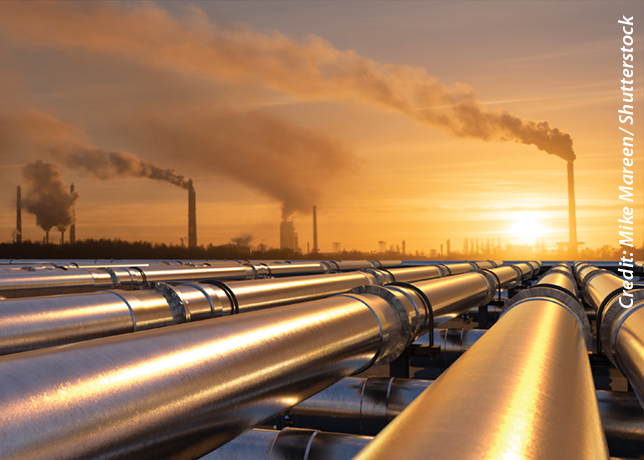
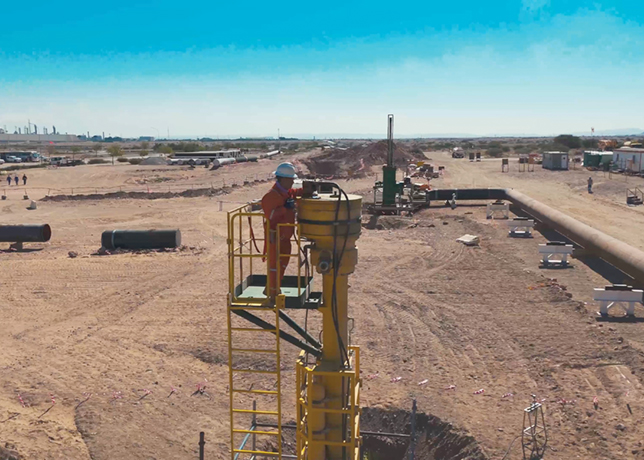
It is currently studying what is commonly known as the Refinery Master Plan. Under the Plan, representing an estimated $4 billion to $6 billion investment when completed, Bapco will expand the refinery to a higher capacity and will replace the ageing A-B pipeline with a new pipeline that will ensure environmental safety.
When completed, the new refinery will enhance Bapco’s strategic position by ensuring that it will be an energy-efficient, environment-friendly and financially successful enterprise.
The Refinery Master Plan will also provide an opportunity to promote one of the tenets of Bahrain Vision 2030 – education. The master plan will facilitate the development of Bahraini engineers, technicians and operators.
This is in complete alignment with one of Bapco’s key strategic initiatives of attracting and developing a competent, skilled and dedicated workforce – one that will propel the kingdom to a bright future.
The kingdom has been self-sufficient in energy throughout its history. However, industrial growth in recent years has generated rapidly growing gas demand from the power, desalination and industrial sectors. To meet this demand, the Bahrain government, under the leadership of Noga and nogaholding, has launched a strategic initiative as part of its long term energy policy. In conjunction with renowned international companies Bahrain is considering natural gas imports to supplement production from new domestic gas resources to ensure its primary energy supply. This item will be covered in a subsequent article in this series.
Another key tenet of Bapco is to be a responsible corporate citizen. In this regard, over the past few years the company has spent more than $400 million on projects that protect air, water and land resources in the kingdom. Bapco has also spent a similar amount on educating and training its own employees, as well as providing the necessary scholarships for future engineers and business leaders in the country. Bapco is one of the main supporters of InJaz – an outreach programme in which Bapco sends volunteer employees to the nation’s high schools and universities to introduce students to the business world, thereby sowing the seeds for the development of the next generation of Bapco employees and national business leaders.