
















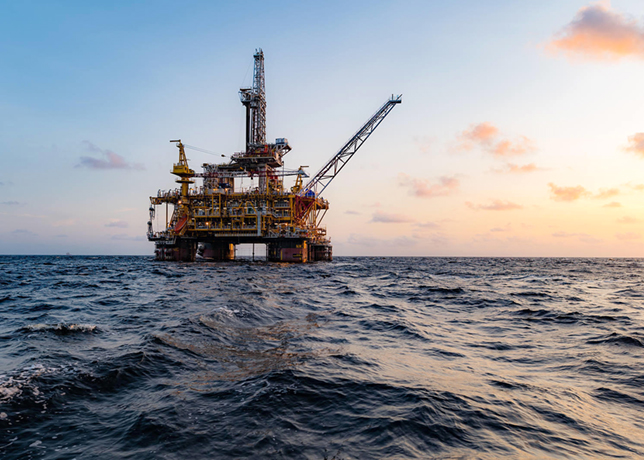


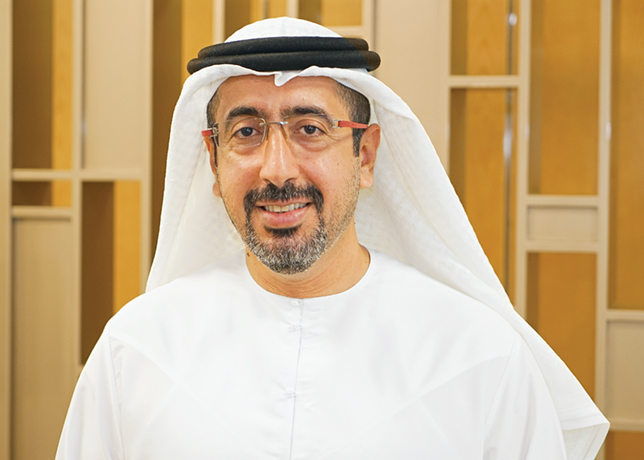







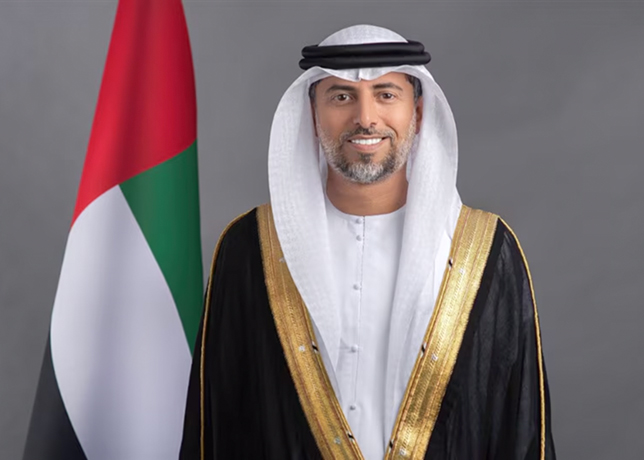

BAHRAIN should drill deeper for natural gas and even look as far as Russia to meet growing demand for fuel as supply talks with its neighbours stall, Energy Minister Dr Abdul-Hussein bin Ali Mirza says.
Demand for gas in the kingdom has grown rapidly in the last few years, pressing the island nation to find new sources of gas to feed its refining, power and aluminium smelting industries.
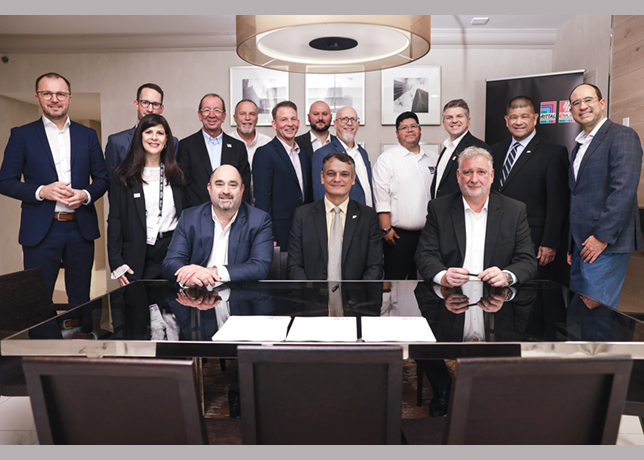
The Bahrain government expects drilling under a new gas exploration deal with US-based Occidental to start soon, but in the meantime it is considering importing gas from Turkmenistan or Russia because of slow progress on dealing with gas-rich Iran or Qatar.
“Bahrain signed a framework agreement with Iran in 2008 and the negotiations made great strides but the negotiations were not completed due to disagreement over the price,” Dr Mirza says.
“Currently negotiations are frozen,” he said, adding that Bahrain is studying the possibility of importing gas from Russia and Turkmenistan.
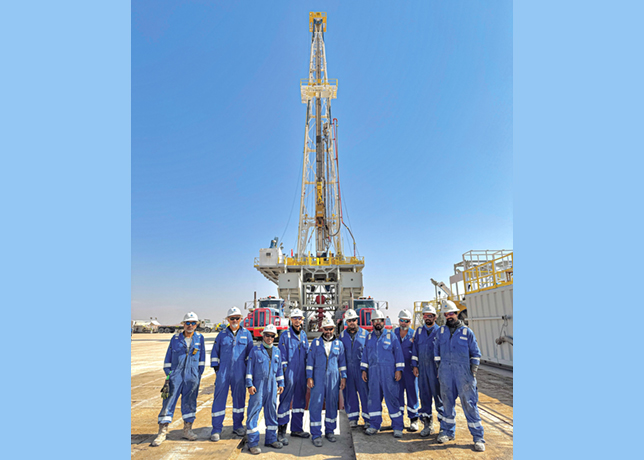
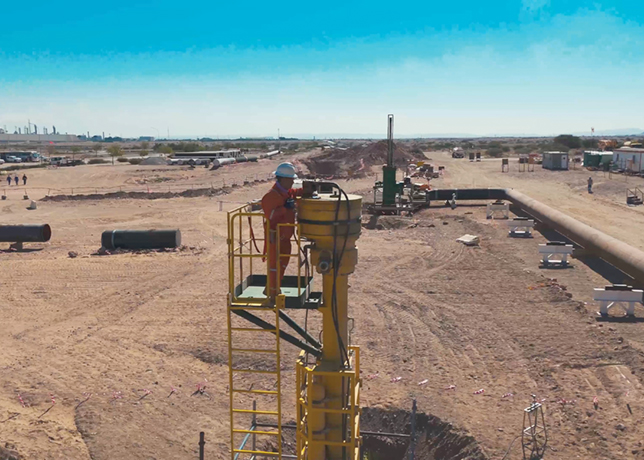
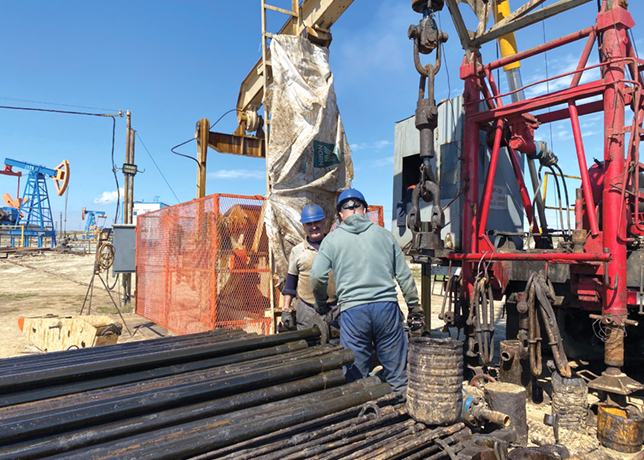
Bahrain’s proven natural gas reserves stood at 7.7 trillion cubic feet (tcf) at the end of 2010, according to the BP Statistical Review 2011, but the country produced only 1.3 billion cubic feet per day (bcfd) in 2010, mostly from the Awali oil field. Oxy expect gross gas production from Awali to rise to 1.6 bcfday by 2014, but Bahrain could double its gas output by delving deeper under the Gulf.
“A government-appointed advisory company has proposed the digging of deeper wells... for the possibility of discovering additional quantities of gas in this field,” Dr Mirza says. “It will be possible to increase energy production from gas from a summer peak of around 1.9 million cubic feet per day (mcfd) to 2.7 mcfd in 2024.”
Meanwhile, Bahrain is to pump millions of dollars into developing Bapco in an attempt to make it the most environmentally-friendly company of its kind in the world. The plan will enable it to meet the aspirations of the country’s Economic Vision 2030, says Dr Mirza.
“The money will enable the Bapco refinery to become one of the most modern, the safest and the most environmentally-friendly anywhere in the world,” he says.
“The political leadership and the board will support us with a level of investment that has hitherto been unknown to Bapco. The board is prepared to support the millions of dollars of investment which will enable the company to fulfil the aspirations of the government as described in its 2030 economic vision.”
Dr Mirza says Bapco was already one of the safest and most environmentally-friendly companies in the world, but could still do better. “The lost-time and non-lost time injury frequency rate for Bapco in 2010 was 0.23 injuries per 200,000 hours, that compares with the best in the world,” he says.
In comparison, he said the Royal Dutch Shell organisation achieves a similar lost-time rate, but their lost-time injury rate is less than half that of Bapco. “This is the reason we should continue with efforts to improve further,” he says.
Bapco chief executive Faisal Al Mahroos says the key emphasis of the company was its commitment to the health and safety of all its workers and those of its contractors. “We are now celebrating our success and awarding departments and contractors who have excelled,” he says.


