



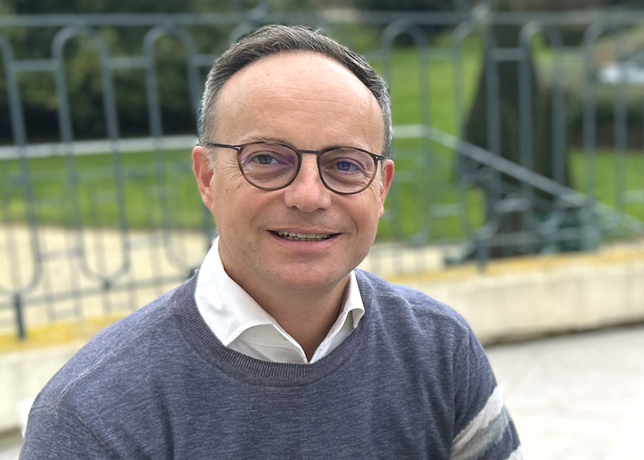

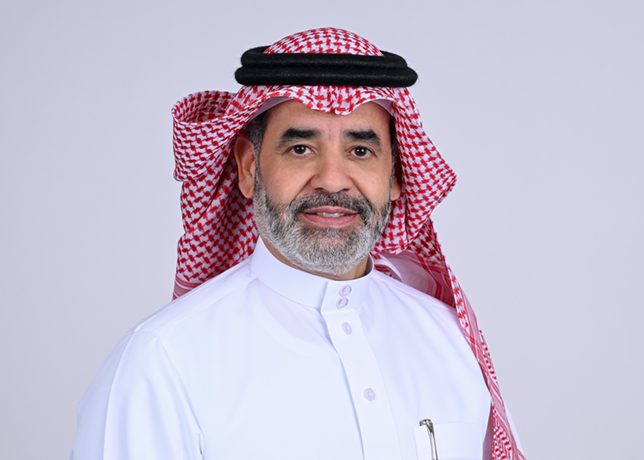




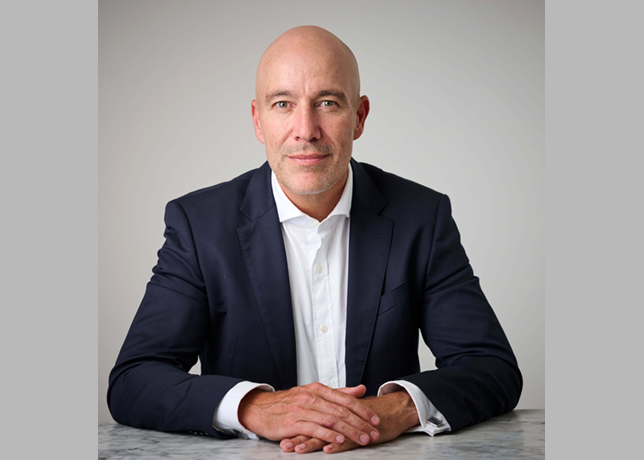



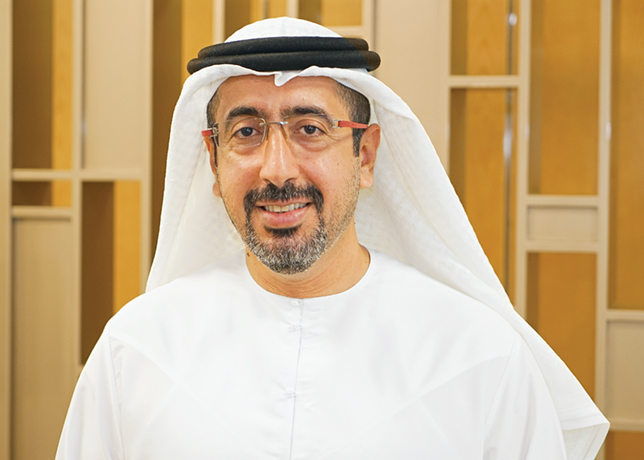








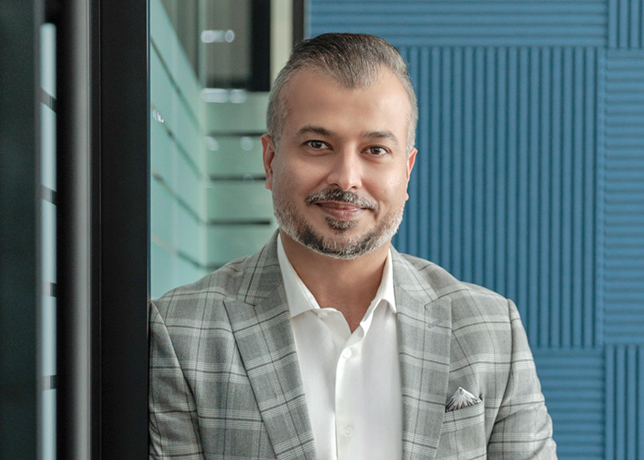

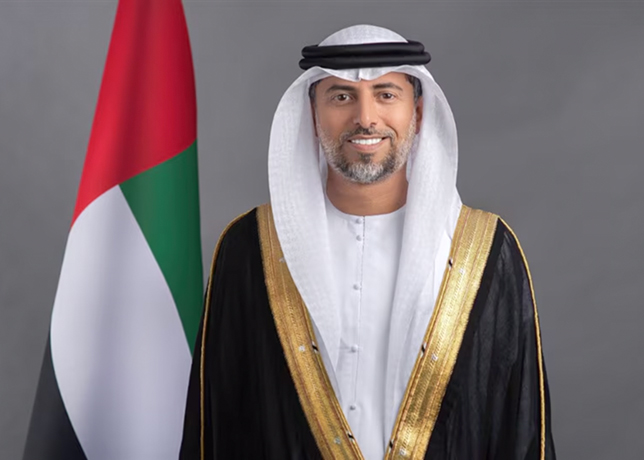

ADEL Khalil Almoayyed is the deputy chief executive officer at Tatweer Petroleum, a position he has been holding since 2008.
Prior to his current post, Almoayyed held the position of head of the marketing business unit at Bapco for 25 years.
Almoayyed’s long career at Bapco spans over 35 years, having joined as a petroleum engineer in 1973, a position he held for eight years before moving on to establish the Marketing Business Unit which is responsible for executing corporate marketing policies and operations in both domestic and international markets.
Almoayyed received a BSc in Geology from Cairo University in 1973, and a B S in Petroleum Engineering from the University of Tulsa, Oklahoma in the US in 1977.
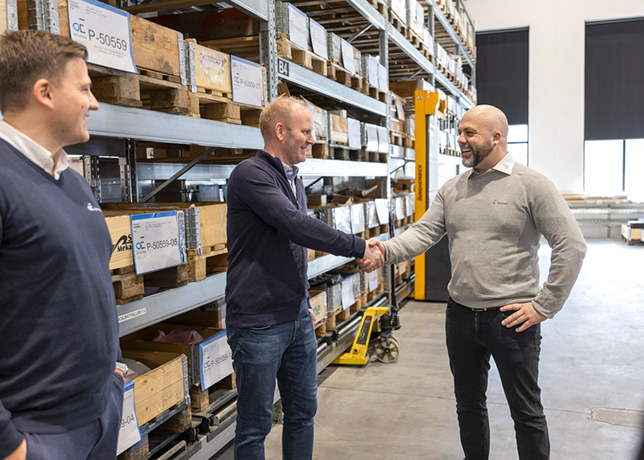
In Tatweer Petroleum, Almoayyed is the key link who ensures that Bahrain’s local industries and manpower play a vital role in the high-profile venture. Ever since Tatweer Petroleum came into being, “We have seen new warehouses and workshops being established in the kingdom to support our operations and it is fair to say that we are ‘creating’ an oil and gas services market ,” he says in an interview with OGN.
Excerpts from the interview:
What has been Tatweer Petroleum’s total spend over the last 18 months?
We have spent approximately $750 million, which reflects our total expenditure for field development and operating expense over the past short span of time.
How have Bahrain’s local industries contributed in the project?
During 2010 Tatweer spent over $100 million with local Bahraini contractors and vendors across the service and material spectrum. In fact, when you cross out services and materials that Bahrain simply cannot provide, then over 50 per cent of our remaining spent in 2010 was within Bahrain.
We have seen new warehouses and workshops being established in the kingdom to support our operations and it is fair to say that we are ‘creating’ an oil and gas services market. A brief list of Bahraini services and materials follows:
• Line pipe;
• OCTG;
• Valves and fittings;
• Vehicles;
• Chemicals;
• IT equipment;
• Wireless transmitters;
• Cranes and forklifts;
• Construction;
• Coiled Tubing;
• Maintenance;
• Security;
• Vacuum tankers;
• Engineering; and
• Pipeline surveying.
In the first half of 2011 we have purchased $40 million of materials from the Bahrain market which equates to 70 per cent of our total purchase spend. We also contracted $90 million of Bahraini Services in the same time period which represents 24 per cent of our total contract spent so far in 2011.
What does the process of converting wells from gas lift to beam lift entail?
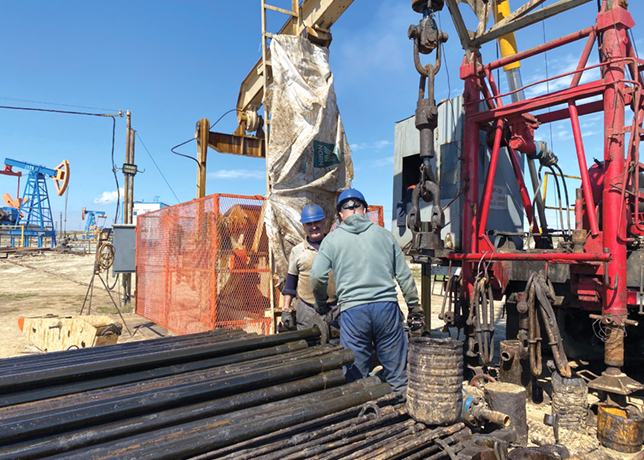
Converting a well from Gas Lift to BPU is a process that involves a multidisciplinary team (reservoir engineers, production engineers, geologist, petro-physicist, etc).
The steps to follow are:
• Identify the candidate (production engineer);
• Study if there is opportunity for improvement as adding pay, stimulation, etc while the rig is working over the well (geologists, petro-physicist, reservoir engineers and production engineers);
• Write the programme (production engineers);
• Conduct the workover (workover department);
• Witness the job (production engineer);
• Conduct facilities upgrades (BPU team);
• Set facilities for BPU as generator, unit, wellhead, fence (BPU team);
• Commission the well (BPU team); and
• Well Optimisation (Well analyst).
What are the leading-edge ICT technologies that you have employed at the Bahrain Field?
Technology is playing an important role at Tatweer. Some of the technologies recently implemented are:
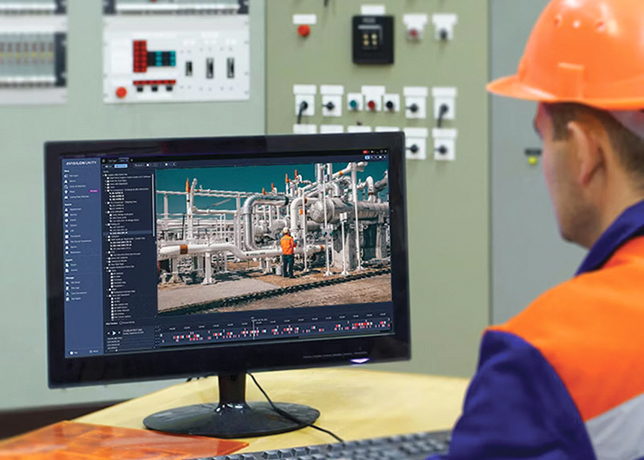
• We have deployed our own private wireless data network covering the whole of our field. This state-of-the-art network, employs wireless network and smart sensor devices providing Tatweer with real-time communications to oil/gas wells, drilling rigs, field offices and field video surveillance.
For the first time in Bahrain field history Tatweer has implemented surveillance on oil wells allowing Tatweer to monitor well performance;
• Integrated “well” to “financials” systems for information sharing, collaboration, performance and financial reporting;
• Advanced field management systems that offer sub-surface reservoir management, well management and surface production capacity modelling; resulting in better management of field resources; and
• Cluster computing environment comprised of 96 processing nodes used for visualisation in earth and surface modelling. This technology has allowed Tatweer to rapidly compose new reservoir models.
What are the HSE goals set by you in your operations?
Protecting the health and safety of our personnel, contractors, and the citizens of the communities in which we do business is of the highest importance to Tatweer Petroleum.
Tatweer is also committed to safeguarding the environment. The company will require strict adherence to its health, safety and environmental policies and procedures at all times. Health, safety and environmental (HSE) activities are administered and managed at Tatweer as described in the adopted health, safety and environmental management system (HSEMS).
To safeguard employees, contractors and the environment the HSEMS requires the identification, evaluation and mitigation of HSE risks for planned activities.
Consequently, process risk is a component of HSE management and has been incorporated into the overall development plan.
HSE risks and other significant HSE issues will continue to be communicated down through the management and coordination meetings and directly through the CEO monthly letter.
The HSE board will be an additional venue for the HSE strategic planning process.
In 2011, the HSE goals selected are aligned with the above-mentioned concepts.
The combined incident chosen is less than 1.0. Also, we have selected the reporting of near misses as another safety performance leading indicator.
In terms of environmental “footprint” the goal is to minimise the non associated gas flaring by introducing additional compression.
This will have a two-fold benefit, as the gas will be recycled to pressurise the oil bearing formations (EOR projects) and to minimise emissions.
Could you highlight aspects of Tatweer’s initiatives in CSR such as Injaz?
As part of our CSR contributions we encouraged our staff to participate in Injaz voluntary activities, by sparing some of their time to go to different schools in Bahrain and lecture to students.
Beside that Tatweer support many social and economical activities in Bahrain.