













Fresh from a C$514 million writedown on its Libyan oil operations, Suncor Energy could risk another big hit as turmoil sweeps through Syria – and that might not be a bad thing.
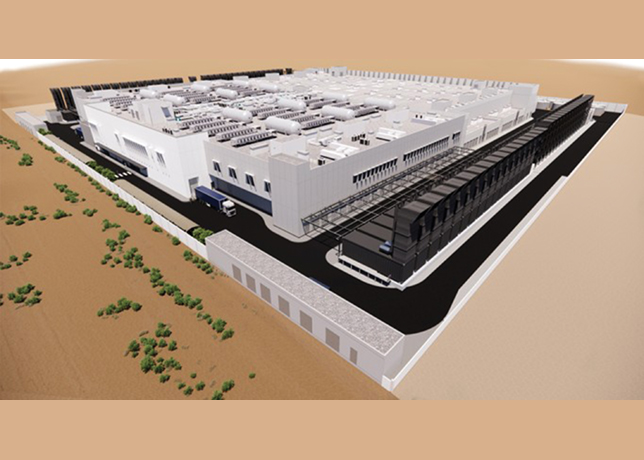
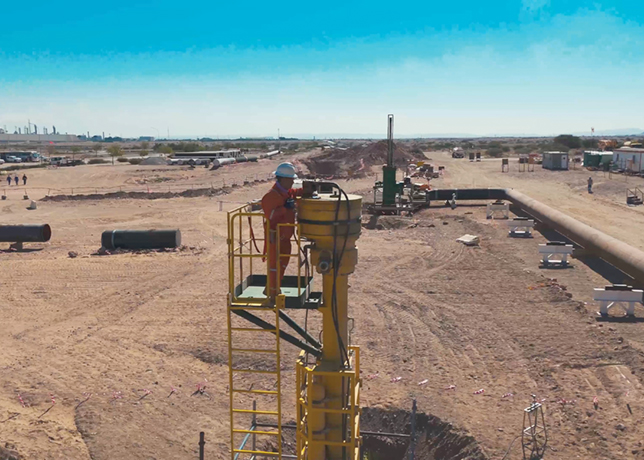
Suncor’s C$1.2 billion Ebla gas project lies in central Syria and produces a small fraction of the company’s total oil and gas output. But it comes with a problematic partner: Syria’s General Petroleum Corp, owned by a government condemned by much of the world for killing hundreds of its own citizens.
With the US urging tougher sanctions on the government of Syrian President Bashar Assad, and protests and military reprisals continuing in the cities, Suncor might conceivably be forced to repeat what it did in Libya in February and walk away from its Syrian operations.
But a writedown would likely be smaller than the Libyan one, and the impact could be muted.
“Nobody is expecting any of the future growth or earnings for Suncor to come from Syria, nor Libya,” said Lanny Pendill, an analyst with Edward Jones. “This is an oil sands powerhouse. If they’re forced back to an oil sands focus, I’m happy about that.”
Syria is an outlier for Calgary-based Suncor, which has tied its future to increasing output from its oil sands properties in northern Alberta. It plans to boost production from the region by 10 per cent a year for the next decade, bringing output to a million barrels a day, about what Indonesia now produces.
“Most investors look at (Syria) as a distraction,” said Andrew Potter, an analyst with CIBC World Markets. “But I think Suncor looks at it as a pretty respectable bit of business. But either way it doesn’t figure much in their growth plans. Most of the reinvestment and most of the growth is slated to come from the oil sands.” Suncor inherited its Middle East and North African properties with its 2009 acquisition of Petro-Canada, which bought into those regions in an ultimately unsuccessful attempt to boost unimpressive production growth.
Many of the international properties went on the block as Suncor consolidated its new portfolio, but the Syrian project was under construction and it stayed in the company. It opened last year.
“When they bought Petro-Canada, you can suspect they tested the waters in terms of selling those assets but what they said publicly is they wanted to get (Ebla) up and running,” said Michael Dunn, an analyst with FirstEnergy Capital.
