




















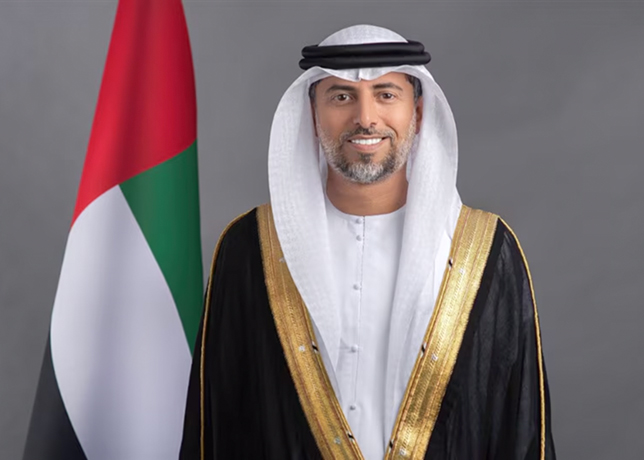

Germany’s largest crude oil and natural gas producer Wintershall is currently expanding its activities in the Gulf region. “We intend to continue on our successful growth course and the Middle East region is becoming increasingly important in our diversified portfolio,” Dr Rainer Seele, chairman of the Board of Executive Directors of Wintershall, says.
The company is active in exploration block 4 in Qatar. This block is in direct proximity to the North Field, the world’s largest natural gas field.
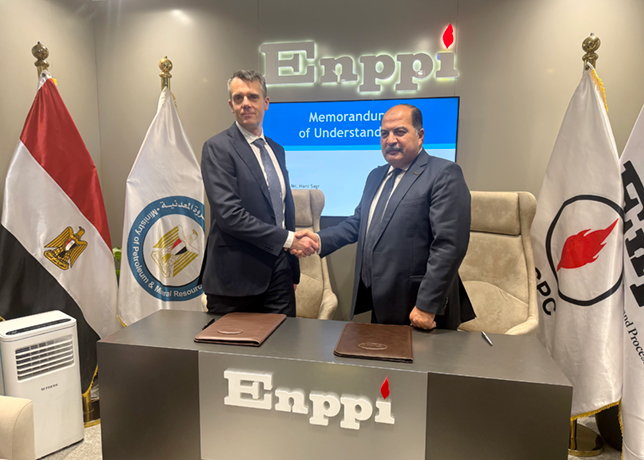
In addition, Germany’s largest crude oil and natural gas producer is also the operator in block 3, where exploration wells are planned for the coming years. At around 26 trillion cubic meters (tcm), Qatar has the world’s third largest reserves of natural gas, after Russia and Iran. In May 2010 a memorandum was signed with the Abu Dhabi National Oil Company (Adnoc) which allows Wintershall to conduct long-term exploration and development of a deposit in the western region of the Emirate.
Wintershall has also opened a local office in Abu Dhabi – the first by a German exploration and production (E&P) company in the Emirate. Abu Dhabi is considered one of the most important centres of the oil and gas business in the Gulf region.
“We now want to get more actively involved in long-term upstream projects in the Gulf,” Martin Bachmann, member of the Wintershall Board of Executive Directors with responsibility for exploration and production, says.
The combination of modern exploration techniques and innovative production methods for enhanced recovery from increasingly complex deposits – this is the strategy that Wintershall has applied successfully worldwide.
BIOPOLYMER SCHIZOPHYLLAN
Against this backdrop Wintershall presented its largest research project currently, the biopolymer schizophyllan, which it is working on together with BASF, at the WPC. This project focuses on a fungus (schizophyllum commune) which generates a biopolymer as it grows. This biopolymer can be applied as an entirely organic thickening agent, thus opening up new prospects for enhanced oil recovery (EOR). The recovery rate of a deposit can be increased significantly with this method – moreover, it can be done in an environmentally friendly way, for the biopolymer is 100 per cent biologically degradable.
As well as presenting its activities in Qatar and Abu Dhabi, Wintershall employees from Libya will also attend the event in Doha: Wintershall began production operations in the Libyan Desert again in October. The BASF subsidiary will also present its Remote Controlled Operations (RCO) project in the southern North Sea.
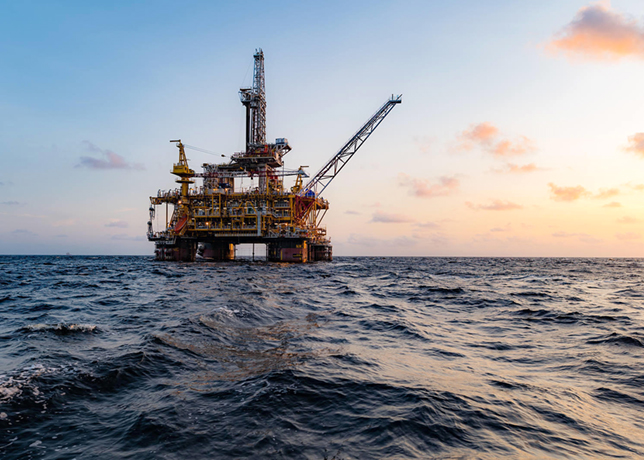
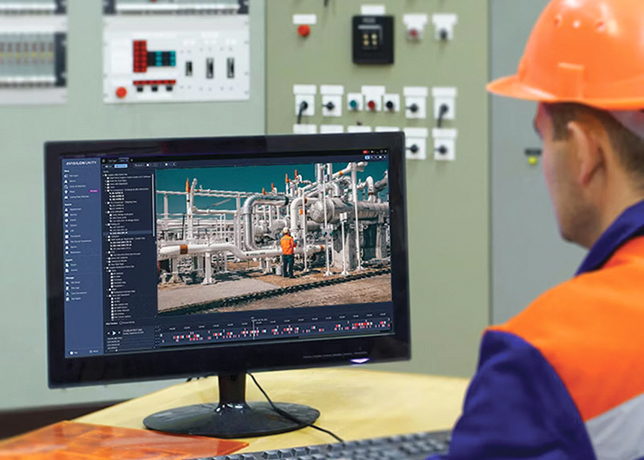
Twenty of the 27 platforms operated there are controlled centrally by radio from Den Helder in the Netherlands. This not only allows smaller and medium-sized offshore deposits to be developed commercially, it also enables operations to be run safely and ecologically.
ENHANCED OIL RECOVERY
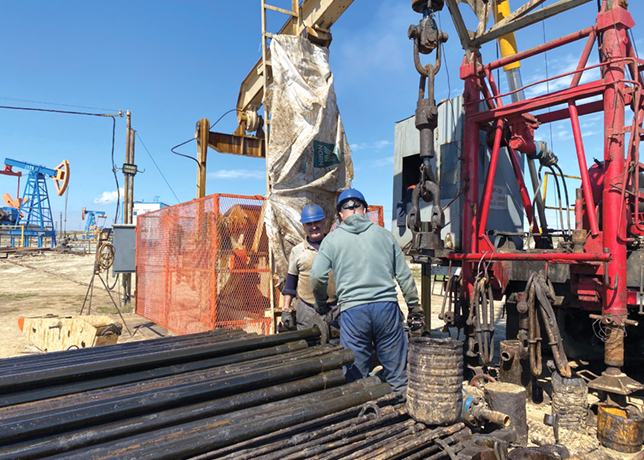
Oil and gas fields are not always easy to develop. Difficult technical conditions are often a complicating factor. Our experience gathered in Germany has allowed us to build strong expertise in sophisticated production and enhanced oil recovery (EOR) techniques. By successfully introducing steam flood technology at Emlichheim in 1981, we have been able to maintain the oil field’s constant production for 60 years. In addition, together with BASF, our experts are working on innovative methods for the ever more challenging exploration and production processes, says the company.
STEAM FLOODNG
Wintershall is currently developing an eco-friendly technology that could significantly improve crude oil production. The idea derives and is supplied by nature in for form of a simple fungus. To keep production in Emlichheim constantly at a high level, Wintershall uses a special technique.
A STICKY AFFAIR
In the 1940s, an oil field was discovered in Emlichheim near the German-Dutch border. It soon became clear that the oil in this deposit was particularly viscous. Initially, the “downwell” pressure was high enough to force the coveted raw material from the ground and by 1952; production reached one million barrels a year. Wintershall’s experts discovered at the time that the flow properties of the oil could be significantly improved by heating the deposit. In the 1960’s they started to force water at a temperature of 150 degrees and a pressure of 100 bar into the rock below Emlichheim.
FULL STEAM AHEAD
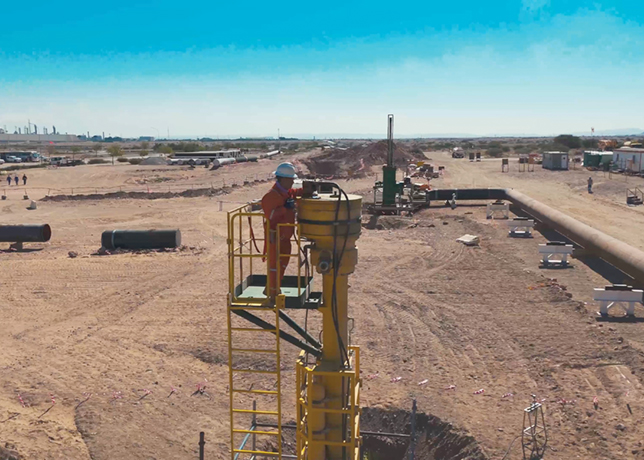
Since 1981, Wintershall’s production experts have been using advanced techniques to keep production at the oil field at a consistently high level, for example, steam flooding, which involves forcing 300 degree hot steam into the reservoir at a pressure of 100 bar. The heat produced by the hot steam makes the oil less viscous and thus easier to pump to the surface. Among experts, procedures such as steam flooding are collectively referred to as EOR (enhanced oil recovery) technologies. They require major technical effort however experts believe it pays off in the end. Due to the improving production techniques, Wintershall has been able to keep the high yield from one of Germany’s oldest deposits to 140,000 tonnes a year and therefore at a consistently stable level for 55 years. Wintershall expects to maintain these impressive and constant production levels until at least 2020.


