














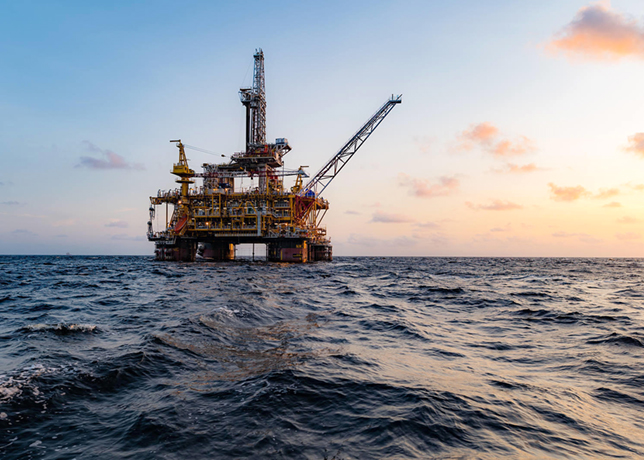





















Royal Dutch Shell has launched the biggest thing ever sent to sea – the Prelude Floating Liquefied Natural Gas (FLNG) vessel – even as plans were already under way for something bigger.
With a bow and stern half a km apart, four football pitches would fit on Prelude’s deck were it not for a clutter of kit towering up to 93 metres high that will draw gas from under the sea bed for dispatch to Asia by the boatload.
Now, as the partly-built structure floats out of dry dock for the first time, Shell wants to consolidate its advantage as the first mover in FLNG – an as-yet untried technology for which Prelude will be the flagship.
The oil company’s technicians are designing something even larger and tougher than Prelude, a vessel that will need to last 25 years moored in the Indian Ocean’s “cyclone alley” off Australia’s northwest coast, producing enough gas to supply a city the size of Hong Kong.
“Yes we will move bigger and move into more extreme environments,” Bruce Steenson, Shell’s general manager of integrated gas programmes and innovation told Reuters. “We are designing a larger facility ... That will be the next car off the rails.”
Prelude, which analysts say may cost over $12 billion to build and which is due to be producing by 2017, is a potential game changer for the oil and gas industry.
If it is an economic success, gas fields worldwide that are too far out to sea and too small to develop any other way could become viable for LNG production.
Making the first-ever FLNG unit even more of a focus as it takes shape in Samsung Heavy Industries’ Geoje shipyard in South Korea, the prototype vessel’s most likely first copy model of similar size will now be for the Browse project – another venture for gas off Australia.