





































Cost pressures, the imperative to reduce CO2 emissions, new regulatory measures and strong growth in natural gas production are additional factors that drive technology development in the sector between now and 2025, says a DNV GL report
The future of oil and gas technology looks increasingly automated, digital and smarter according to a new Technology Outlook report published by DNV GL. The report peers into the systems and processes that oil and gas and other sectors will deploy by 2025, as business operates in an increasingly interconnected world.
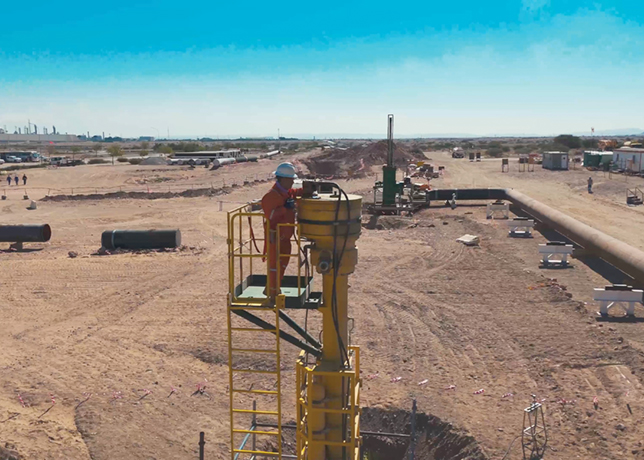
According to the report, industry players should expect particular evolutions in subsea production system technology and more efficient drilling and well operations, while autonomous pipeline inspection is expected to increase on- and offshore.
The new report forecasts technology developments that support a world with an increasingly diverse energy mix over the next ten years, as global consumption increases by up to one fifth. The developing oil and gas technologies forecast to be in operation by 2025 include: Fully automated drilling operations; Simpler and smarter completions; Smarter subsea tie-ins; Autonomous inspection of pipelines; Biodegradable polymers for enhanced oil recovery; Rigless plugging and abandonment and LNG as fuel for trucks and railways.
'While the industry is understandably preoccupied with generating shorter-term value, we must also keep an eye on where longer-term value and permanent efficiency gains can be achieved,' DNV GL Oil & Gas CEO Elisabeth Tørstad says.
'Innovation is not just about finding the breakthrough technologies, although that is important too, it is also about making things simpler and more efficient and ultimately helping the industry to safely cut costs. At DNV GL, we are continuing to invest 5 per cent of our revenue in R&D because it enables us to provide long-term foresight for our customers.'
Over the coming decade, DNV is forecasting:
 |
|
Sogard ... the cost crisis will enter a third stage |
One of the most anticipated technologies, automated drilling in the offshore and onshore, could reduce drilling times and costs by 30-35 per cent versus conventional drilling rigs, ensuring more wells are economically feasible, able to hit smaller targets and generating more infill production, say researchers.
'The implications of automation will be felt throughout the performance of drilling operations, as automated rigs will change the roles of the different parties involved: rig owner, service companies and the operator.'
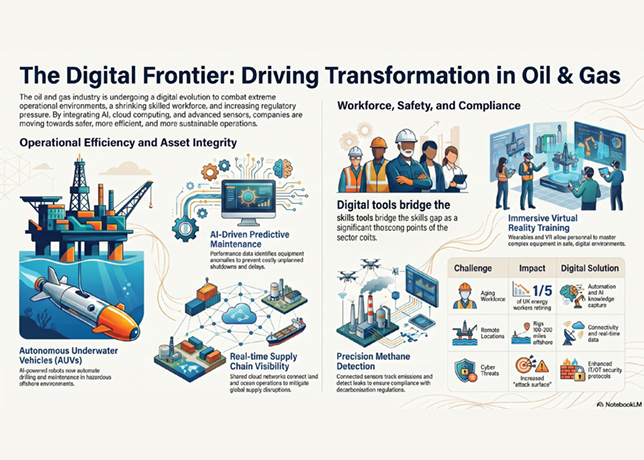
By 2025, pipeline inspections in the offshore should be routinely performed using autonomous underwater vehicles (AUV) equipped with sonars, cameras and sensors. AUV inspections now are being used, limited only by their endurance. On land, onshore manned aerial vehicles -- that is, drones -- would become de rigueur for regular inspections. Aerial drones are gaining more acceptance today, and solar-powered drones now are being developed for both military and commercial use.
A big push also is expected by 2025 toward expanding the use of LNG as a fuel for trucks and trains in the US because of low gas prices. Many industry advocates have pushed to use more natural gas for transportation, which to date mostly has been a niche industry, used in urban transport by buses and trucking firms. Some railroads also are experimenting with using natural gas as a fuel, as are marine transporters.
Some of the biggest cost savings are seen in rig-less plugging/abandonment technologies. Before they gain widespread acceptance, however, more risk-based approaches are needed, and regulations would need to be refined to define what is sufficient for long-term integrity, researchers say.
 |
|
Tørstad ... innovation is making things simpler |
The subsea industry is another area with 'great potential' for new technologies, says DNV’s Bjorn Sogard, segment director for subsea and floaters.
'The cost crisis in the oil and gas industry has gone through two stages; first, looking into obvious cost cuts through contract negotiations and headcounts, then secondly seeking collaborations to share the load on industry issues and drive standardisation,' he says. 'We are now about to enter a third stage, characterised by a willingness to open up for radical new ideas that can reshape industry processes. We believe that in the longer horizon offshore production and processing systems are going down to the seabed as a cost effective and safe alternative for platforms and floaters.'
Subsea systems, he says, traditionally have been simple from a control and monitoring perspective.
'This simplicity has enabled subsea systems to deliver reliable production from 5,000 wells around the globe. Currently, subsea system integrity and main flow parameters are monitored from remote control rooms 24/7 but according to the DNV GL report, by 2025 subsea solutions are expected to rely actively on monitoring and data analytics.'
Another gamechanger will be digitisation for the subsea to help achieve optimum flow conditions for stable production, he adds.


