





















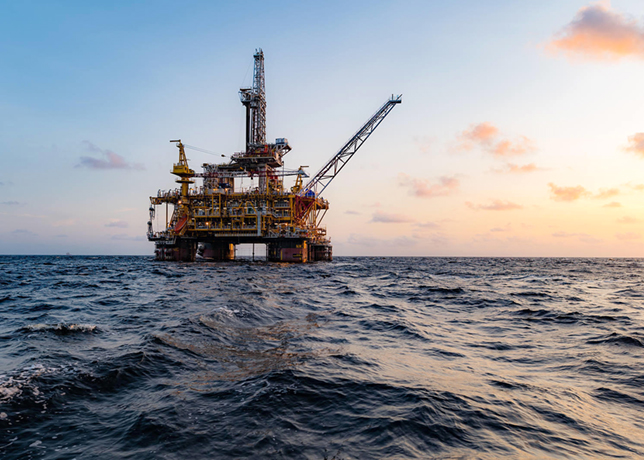



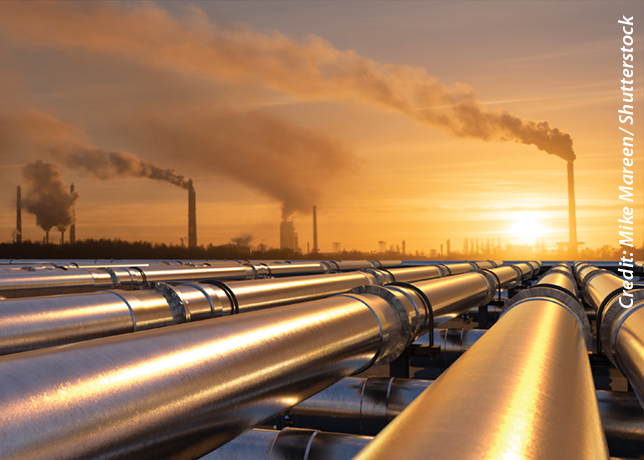






















Oil may need to rally further before China’s producers make enough money to reverse a drop in output to the lowest in more than six years.
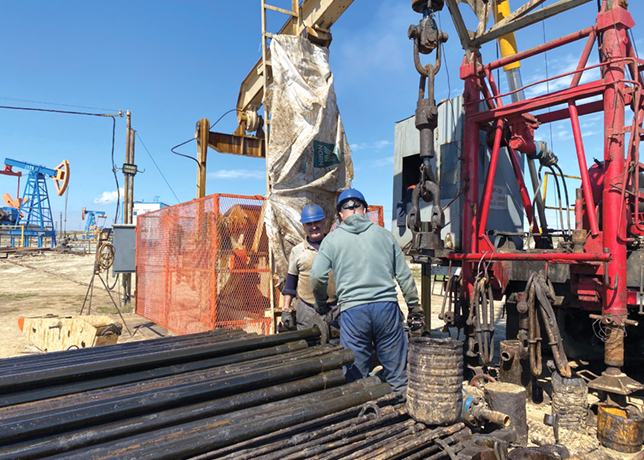
Production by the world’s biggest consumer after the US will stabilise with prices around $50 a barrel and may not rebound until they are above $60, according to Neil Beveridge, a Hong Kong-based analyst at Sanford C Bernstein. China, the world’s fifth-largest producer in 2015, pumped 5.7 per cent less crude in the first eight months of the year as state-run companies shut fields too expensive to operate amid the worst price crash in a generation.
"As oil prices recover, we’ll see production start to stabilize," Beveridge said in an interview. "With breakeven costs around $50 a barrel for some of the mature onshore fields, to get growth back again you’ll need to get above $60 a barrel."
Oil has gained more than 10 per cent since the Organization of Petroleum Exporting Countries agreed September 28 to cut production for the first time in eight years. Brent crude, the global benchmark, fell 0.7 per cent to $51.55 a barrel as of 12:07 p.m. in Hong Kong. Prices are up about 85 per cent from a 12-year low in January.
China is forecast to lead output declines across Asia, helping tighten the global market as the world’s largest-consuming region relies more on overseas supplies. The country’s production during August dropped 9.9 per cent from a year ago to 16.45 million tonnes, according to the National Bureau of Statistics. That’s about 3.89 million barrels a day, the lowest since December 2009, according to Bloomberg calculations.

