








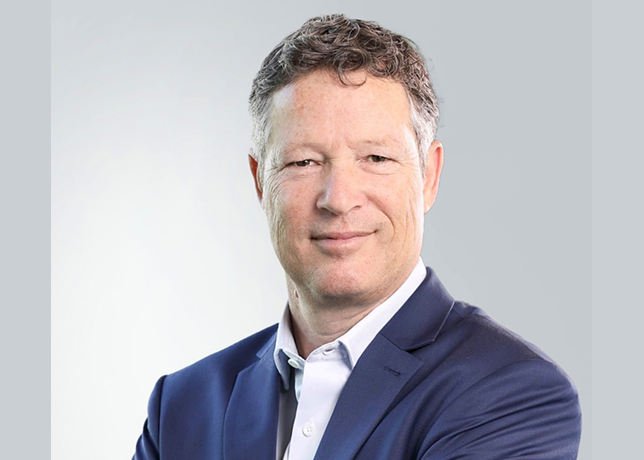
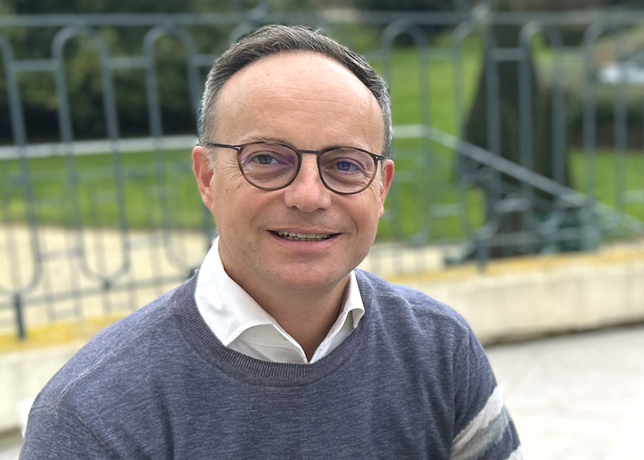

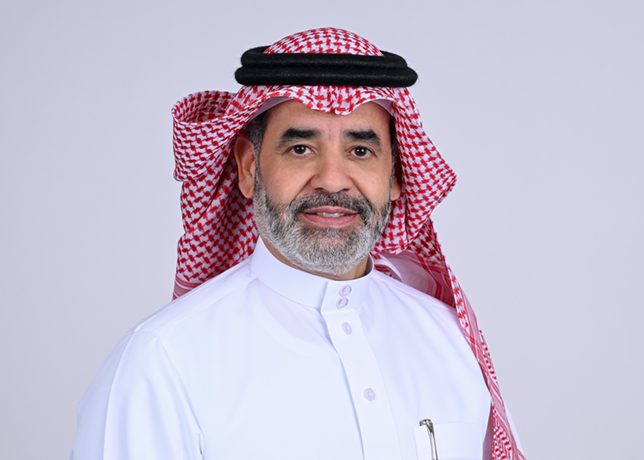



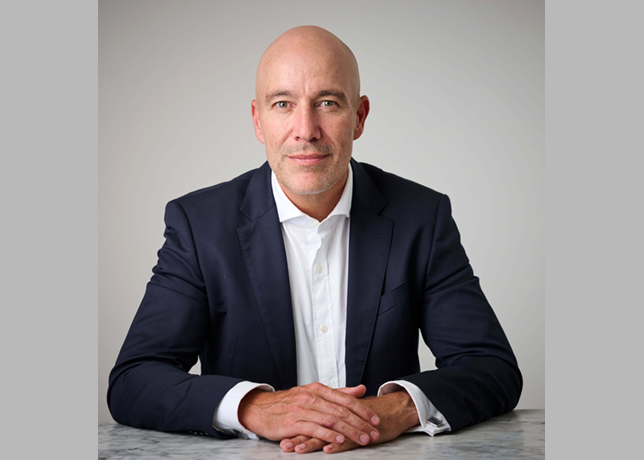







The society has envisioned a future where an AI-based (artificial intelligence) search can provide better answers and solutions to its customers, Dr SAMI ALNUAIM, SPE President, tells K S SREEKUMAR in an exclusive interview
With the industry’s digital transformation well under way, the Society of Petroleum Engineers (SPE) is considering how machine learning, artificial intelligence, and automation can improve SPE’s service to its members.
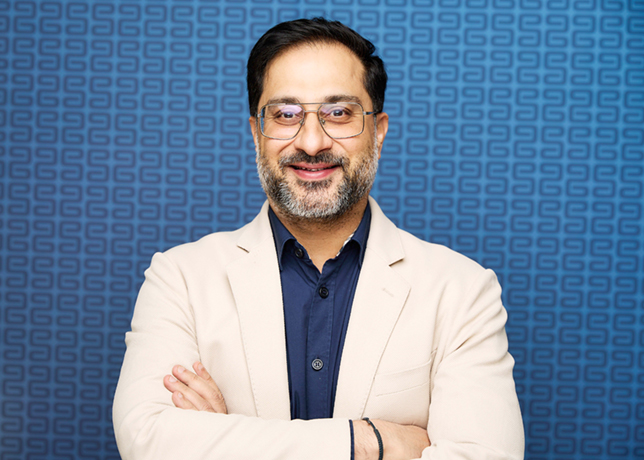
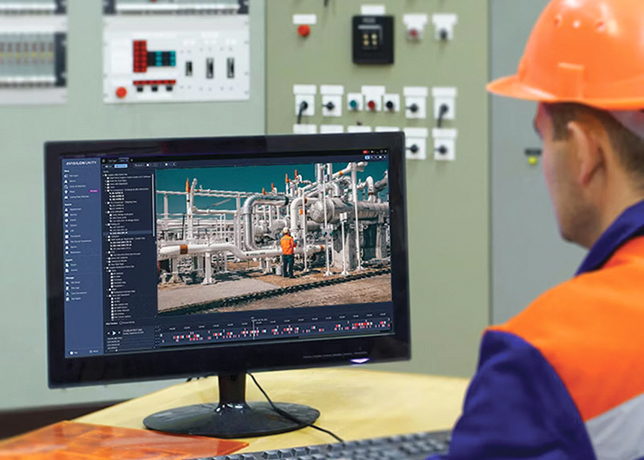
'An example is OnePetro, our online, multi-society digital library. We have envisioned a future where an AI-based (artificial intelligence) search can provide better answers and solutions to our customers. Making these changes will take time and investment, but SPE is actively thinking about how these new technologies can help us better serve our members,' says Dr Sami Alnuaim, SPE President, in an exclusive interview with OGN.
Excerpts from the interview:
As SPE’s new President what are the challenges that go with the position? How do you propose to tackle them?
SPE has a new President elected from its membership every year. I chose sustainability as my theme during my Presidency. Since many in our industry are not familiar with sustainability, and to some it has a negative connotation, a big part of what I can accomplish is education. By getting the conversation started, SPE’s members, through the Sustainable Development Technical Section, will be able to take the message forward. I have been meeting with other organisations who are working on sustainability to look for synergies and ways we can work together. We are working to include more sustainable development content in some of our events, as well as holding webinars on relevant topics. I believe that during my term as SPE President, I will have laid the groundwork for continued SPE activity around sustainability in oil and gas.
Right from 1983, you have been associated with SPE, what contributions have you made to the organisation?
 |
SPE’s 2016 Annual Technical Conference and Exhibition held at the Dubai World Trade Centre |
Let me first say that I have always gotten more from SPE than I have given. I credit SPE with helping to develop my technical and leadership skills. I joined the SPE during my BS degree years at King Fahd University of Petroleum and Minerals (KFUPM) in the early 1980s. I am grateful to the KFUPM faculty members who encouraged me and other petroleum engineering students to join this great organisation. I remained active as a student through my graduate school days.
When I went to work at Saudi Aramco, I became involved with the local section, serving in a variety of roles and eventually becoming Chairman of the section. As I built my technical expertise, I participated on the planning committee for several SPE workshops and conferences, which allowed me to share my knowledge and build my professional network. I was also selected to participate in some of the international awards committees, helping to select those whose contributions merited recognition. In 2010, I was honoured to receive the Middle East Regional Service Award, then to receive the Distinguished Service Award and become an SPE Distinguished Member in 2011. Before becoming SPE President, I served on the SPE Middle East Board of Directors.
How much has SPE evolved over the years?
 |
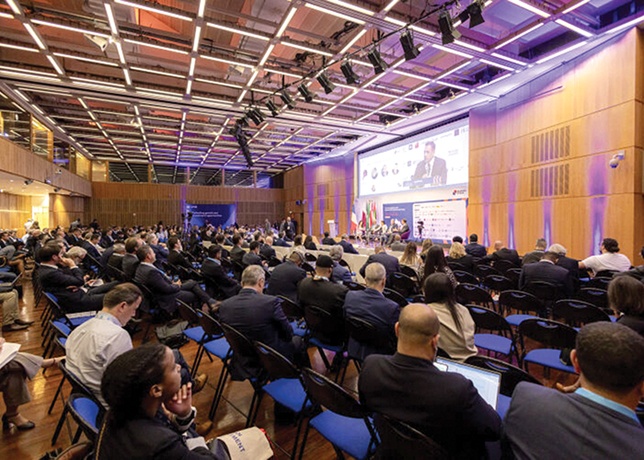
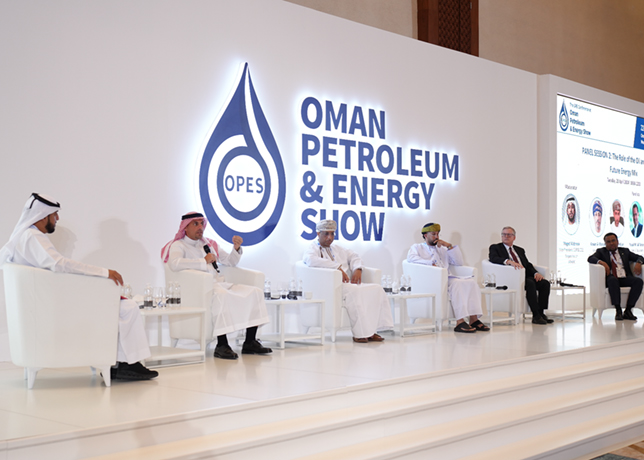
A view of SPE Energy Summit |
SPE has had phenomenal growth globally. Although started in the US, SPE’s Board had the foresight to expand operations internationally early on. The Kingdom of Saudi Arabia section was formed way back in 1959, before I was born. There was significant growth in non-North American sections in the 1970s and 1980s. Since 2013, more than half of SPE’s professional members have been located outside North America. The Middle East is now SPE’s second largest region.
Another change SPE made was to extend free or low cost membership to students, bringing our industry’s future leaders into SPE while still at university, which has led to significant growth in SPE’s total membership. In 2005, SPE President Giovanni Paccaloni recognised the coming crew change and drove SPE’s increased focus on equipping young professionals with the skills they would need to assume leadership as the generation ahead retired. To serve both groups, SPE has created mentoring programmes and free technical resources such as PetroWiki.
Since 2003, SPE has added offices in Dubai and Moscow, and expanded its office in Kuala Lumpur to allow us to better serve our global members with technical programming that addresses the pressing issues they face.
Between 2006 and 2015 (prior to the recent downturn), SPE’s professional membership grew by more than 6 per cent per year on average. During the same period our student membership grew from just over 16,500 to nearly 69,000. During the downturn our professional membership declined around 7 per cent per year, but SPE remains a very strong, very global organisation with more than 84,000 professional members and 72,000 student members in 154 countries.
Sustainability is a watchword for industries and SPE. What is the oil and gas industry doing to reduce its carbon footprint?
 |
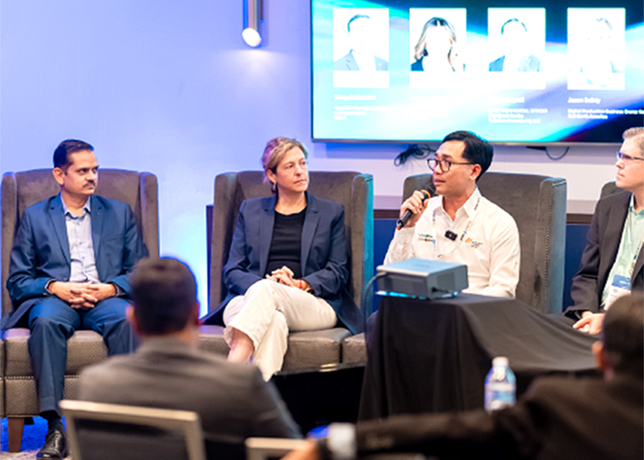
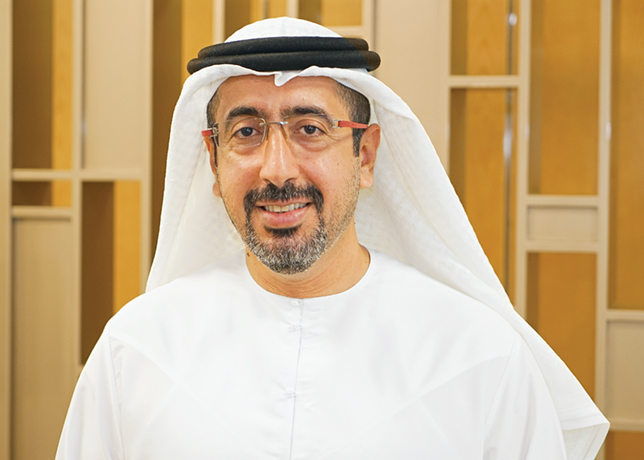
Dr Alnuaim speaking at a conference |
Because many politicians and the public blame fossil fuels, our license to operate has been threatened. I am proud to say that we are taking a leadership role in many areas to contribute to solutions. We use technology and innovation to reduce our environmental impact overall, not just our carbon footprint.
One of the biggest changes affecting carbon emissions over the past decade is a significant reduction in flaring. I remember how the flares lit up the night when I was a boy. But no more. Because natural gas is expensive to transport over long distances, in remote locations it was often burned to allow the oil to be produced. Now we have a variety of solutions available, from reinjection, to use on site, to power generation. Often, in remote areas, the creation of a small operation to generate electricity can have significant benefits for the local residents (who may have lacked access to energy) as well as reducing our carbon emissions.
The industry is a leader in the development of carbon capture and storage (CCS) technology, which the UN has identified as the key to achieving a zero net carbon emission world. Our industry understands what’s needed for long term underground storage of CO2, has access to reservoirs where it can be stored, and can potentially use that CO2 to increase the amount of oil that can be recovered from known deposits. In 2015, Saudi Aramco launched the Middle East’s first CCS pilot project, using the captured CO2 for enhanced oil recovery in a small part of the Ghawar field.
What forms part of SPE’s sustainable development concept? What are you going to do to see that this idea gains enough traction?
 |
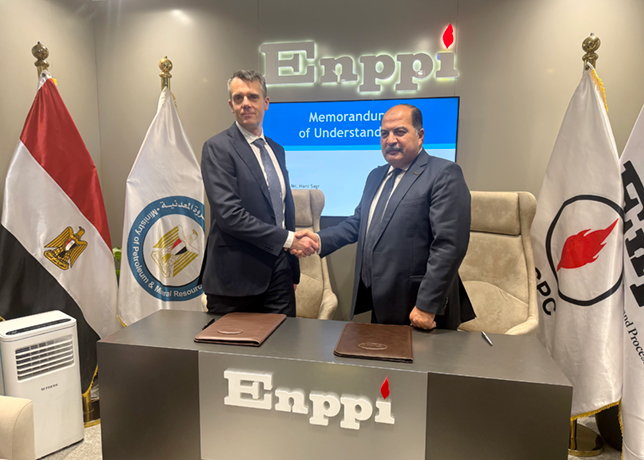
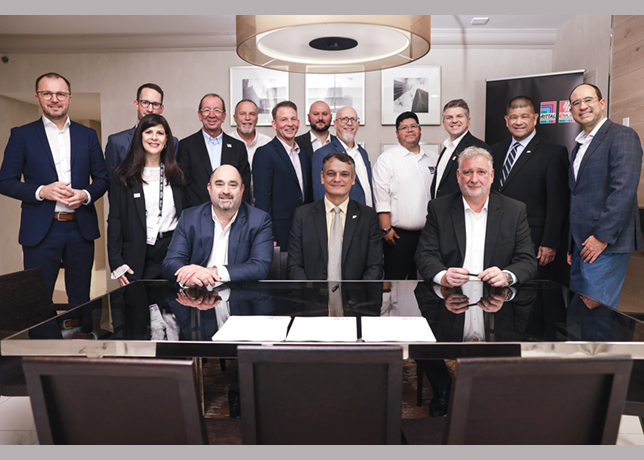
Dr Alnuaim and Gordon Ballard, IOGP Executive Director, after the signing of an MoU between SPE and IOGP around cooperation on sustainability topics |
When I first began talking about sustainability, I received negative feedback from some SPE members who equated the term with a 'green' agenda, and with stopping the use of fossil fuels. While oil and gas are finite, not 'renewable' resources, they are still crucially important to building a more sustainable world and will play a major role for a very long time, not only for global economic growth, but also for global social development and human lifestyle enhancement.
If a key goal of sustainability is improving people’s lives, then the three key ways to support that goal are a strong economy, a healthy environment, and social development. Our industry has a very positive story to tell in each of those pillars. Instead of participating in the discussion around who or what is to blame for the world’s ills, we can show leadership in talking about what we have done, are doing, and will continue to do to improve people’s lives through our operations.
Through my monthly column in the Journal of Petroleum Technology, and my speeches at conferences and local section meetings around the globe, I have been educating our members both about what sustainable development means and how our industry contributes across each of these three pillars. I have had the opportunity to meet with a number of organisations who are also working to promote sustainability across the oil and gas industry. In November, SPE signed memoranda of understanding with both the International Association of Oil and Gas Producers and IPIECA (the global oil and gas industry association for environmental and social issues). SPE’s strategic plan includes a focus on professional pride. That is tied directly to sustainability and telling the positive stories about the role we play and the things we do to make the world a better place. I expect to see more from SPE in the months and years ahead as we continue to focus on telling our stories.
What role does the Oil and Gas Climate Initiative (OGCI) play to ensure that industries abide by its sustainability goals? Does Saudi Aramco have any targets set on the matter?
The Oil and Gas Climate Initiative is a voluntary CEO-led initiative to take practical action on climate change. They currently have 13 members representing about 30 per cent of global oil production. OGCI has committed $1 billion to investments and R&D that can reduce methane leakage, reduce CO2 emissions, and further develop carbon capture and storage technology. In September 2018, OGCI members set a target to reduce by 2025 the collective average methane intensity of aggregated upstream oil and gas operations by one-fifth, with the ambition to reach one-third. As a member of OGCI, Saudi Aramco has embraced this target and will be pursuing a range of initiatives to achieve it.
SPE’s strategic plan focuses on the potential impact of big data, AI and digital technology. Is the industry ready to take on these big advancements?
I would say absolutely. I think our industry has already been making a lot of these changes, and they’ve certainly laid the groundwork for making them. Part of the reason that our Board included these things in the strategic plan is that we believe we can help to accelerate the pace of change. We also believe that the addition of these technologies means that a lot of data scientists and mathematicians are being drawn to our industry by the exciting potential that exists. The Society of Petroleum Engineers wouldn’t necessarily be the first place they might look as a professional affiliation. But we have a lot of valuable content and networking opportunities to offer these professionals. We see this as a growth opportunity for us. We also believe that petroleum engineers will increasingly be asked to have an understanding of the data sciences (to interpret and use the results) and that integrating the two disciplines through SPE will be beneficial. We are working on training programmes to help engineers learn these new areas of focus. In January we launched a new online publication – Data Science and Digital Engineering in Upstream Oil and Gas – which has had an overwhelmingly positive response in its first few months.
What role can SPE play to make the industry accelerate its readiness to embrace the new changes?
Sharing is what we do. People come together at our conferences and share their experiences – through panel discussions and through technical papers. Our magazine, the Journal of Petroleum Technology, has articles weekly about how companies are deploying new technologies and what they are learning from them. Knowing that someone else tried a new solution and what the impact was for them emboldens others to do likewise (or at least investigate the possibilities further). That kind of sharing accelerates change across our industry – not only for digital technologies and their applications, but for other areas of our business as well.
How can SPE help the industry deal with the skills shortage it faces from time to time?
Preparing the next generation of engineers has always been a priority for SPE. Our Energy4me programme reaches young people before they get to university, training teachers to use hands on activities to engage students in learning basic technical concepts and interest them in pursuing science, technology, engineering and mathematics (STEM) careers. SPE has had programmes for student members for more than 50 years, and we’ve seen huge growth in the number of students at universities (engineers, geoscientists, and related disciplines) participating in student activities and gaining exposure to our industry. SPE provides low cost university access to many of our resources to assist in training these students. As they move from university to professional membership, many of our local sections offer programmes designed for young professionals – to help them network and develop their skills.
SPE has always been the premier source of technical information for our industry. With the recent 'crew change' that was accelerated by the industry downturn, a lot of knowledge walked out the door. Companies know that SPE’s literature (OnePetro and books) holds many of the answers that those remaining will need to bridge that knowledge gap. SPE offers numerous webinars and training programmes to build members’ skill base across the upstream industry. Our mission is focused on collecting and sharing technical knowledge and building members’ professional competence.
How do you propose to build bridges between geoscience schools from around the world?
I started with the petroleum engineering (PE) schools. While there is a fairly connected group of PE schools in the US, there is no network outside the US to allow faculty to get together and discuss what they are teaching, where they can collaborate or share resources, and whether students across different programmes are getting similar training (making them equally valuable to employers). I have successfully connected PE faculty in the Middle East region, and plans are underway for them to meet. Once that group gets going, I plan to connect them with the US group, then begin adding in faculty from other regions. As a professor myself, I understand the enormous value of talking with your peers and learning from each other how we can better prepare our students for the challenges that will lie ahead in their careers. I believe that other industry-related disciplines would find similar benefit in talking with their peers, and eventually cross-discipline conversations can take place that will ensure that our universities produce the next generation of petroleum and energy professionals.
What benefits will accrue through such integration?
As I said above, I believe this is about learning from our peers, leveraging our resources, and being able to better prepare our students.
One of the other things that I am excited about is integrating the concept of sustainability into the education of our future leaders. The Colorado School of Mines (CSM) has integrated sustainability throughout their energy education programmes (geosciences and engineering). They are also doing a lot with the concept of 'citizen engineer' – someone who considers the social and societal impacts of various decisions that must be made throughout a project. For example, what are the implications of different ways of sourcing and disposing of water at a wellsite? How can we balance what is right for the company and what is right for the community, and minimise any impact to the environment? I would love to see all universities integrating these concepts into their curriculum.

